Хочете будувати кар’єру в Data Science та AI? Vodafone Big Data Lab відкриває новий набір —>
Марія БровінськаІсторії
28 May 2025, 09:00
2025-05-28
"Now I appreciate the opportunity to simply have a home. Living in a "temporary" mode is very exhausting." Confession of a designer who, despite the opportunity to live abroad, decided to return to Ukraine during the war
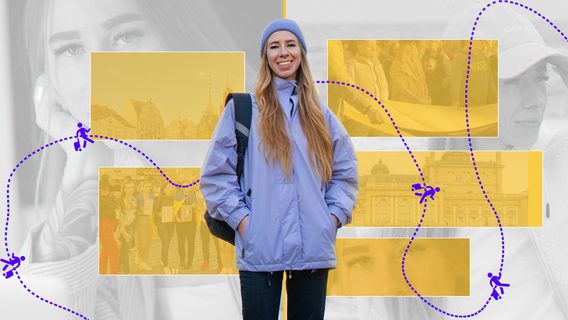
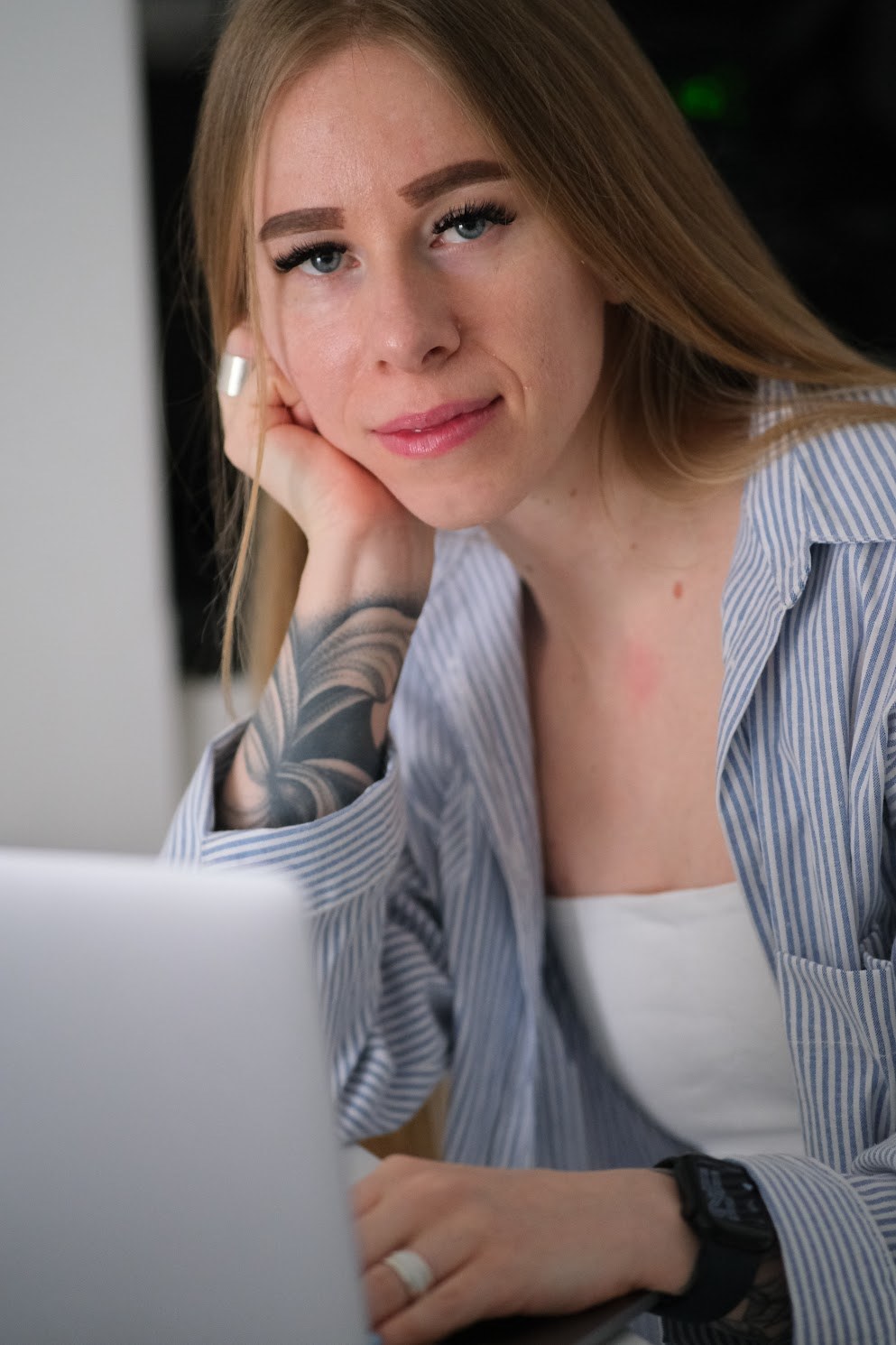
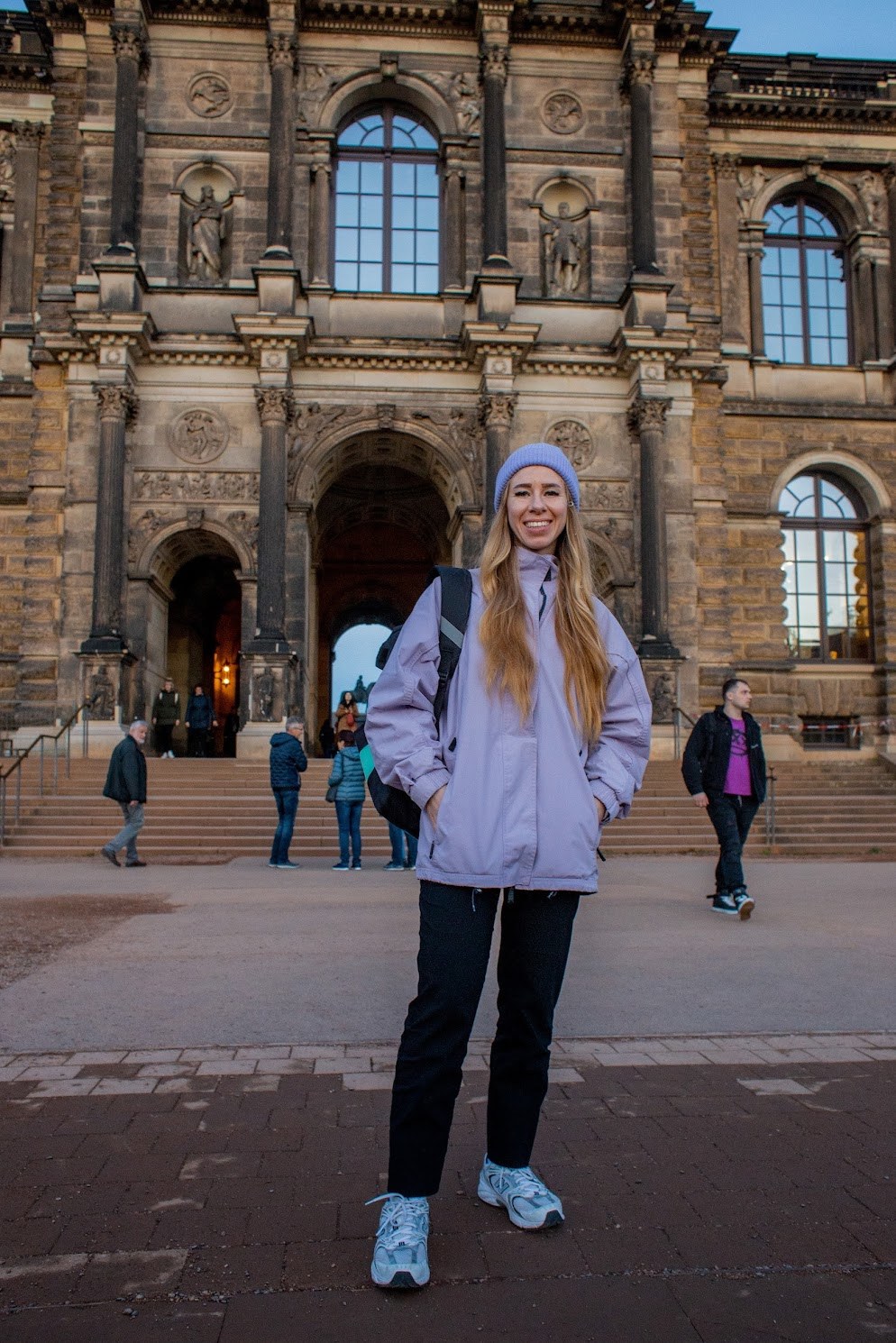
dev.ua continues to tell the stories of Ukrainians who, despite the opportunity to remain peacefully abroad, returned home and live in Ukraine. Today’s story is from Asset/Graphic Designer Ciklum Olena Degtyareva, who lived in Poland for two years and decided to return to Ukrainian Odessa despite the fact that the city is suffering from enemy attacks. Next is a direct speech from a specialist.
dev.ua continues to tell the stories of Ukrainians who, despite the opportunity to remain peacefully abroad, returned home and live in Ukraine. Today’s story is from Asset/Graphic Designer Ciklum Olena Degtyareva, who lived in Poland for two years and decided to return to Ukrainian Odessa despite the fact that the city is suffering from enemy attacks. Next is a direct speech from a specialist.
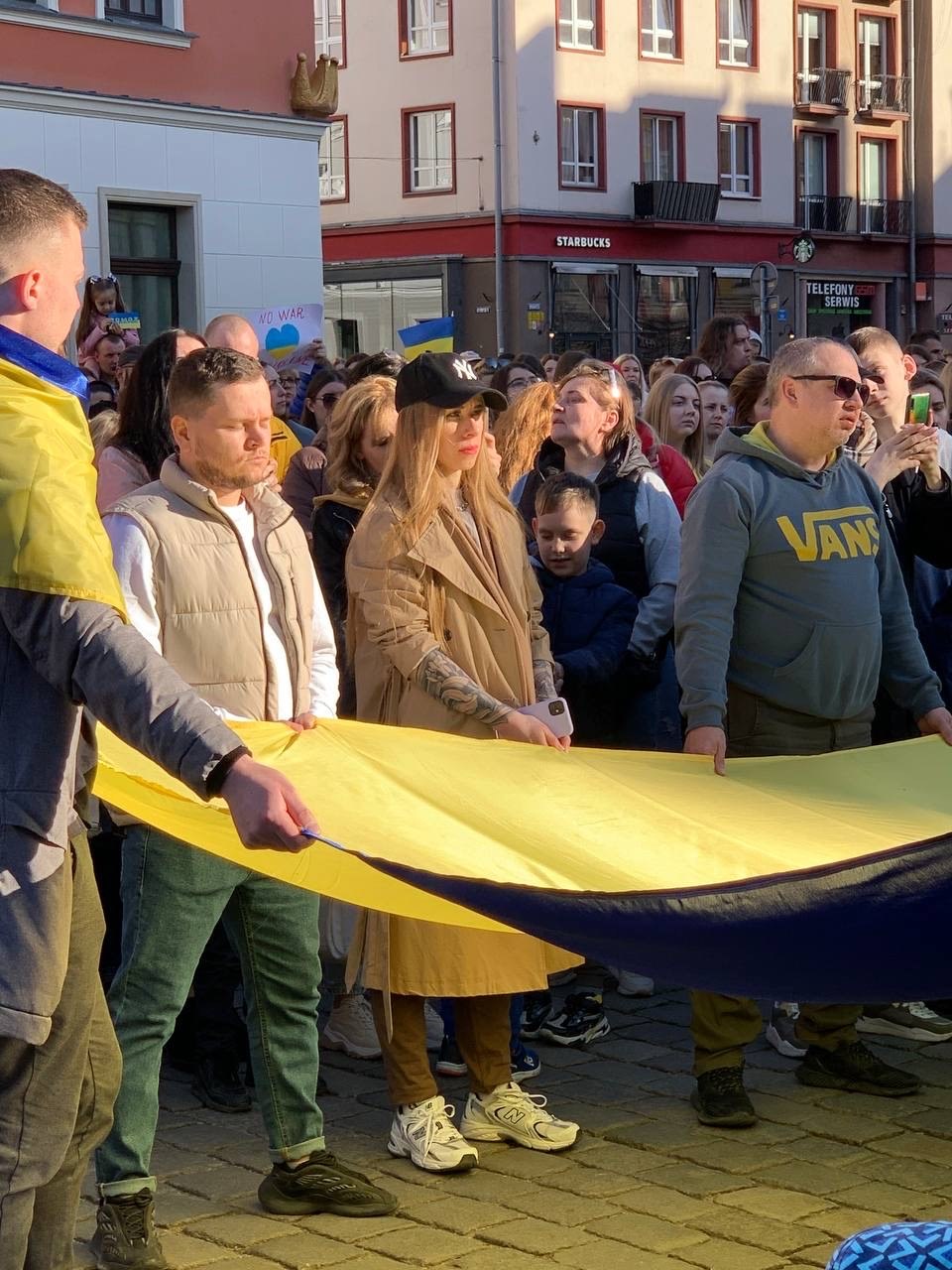
I left Dnipro for Poland in the first week of the full-scale invasion. At that time, the main thing for me was to find a safer place — I chose Wroclaw, because Ciklum has an office there. I applied for temporary protection, which allowed legal residence and employment in Poland, and also received a one-time payment of 500 PLN. I lived in a rented studio apartment — it is also called a «cavalier» or «bachelor», that is, a place for one person.
Olena Degtyareva
Life in Poland was comfortable. I spoke a lot of English, and I had no difficulties in everyday life. I easily found my favorite Ukrainian products in local stores. I am sincerely grateful to Poland for the opportunity to stay safe for quite a long time. The most difficult thing at the beginning was finding housing — because of the huge demand among refugees. But overall, I can’t call this experience difficult, because I always thought that it was much harder for those who stayed in Ukraine.
Returning home
I lived abroad for two years. I never had a dream of living in another country — I always imagined myself traveling, but with a mandatory return home. Like many Ukrainians, I hoped that everything would end quickly. But when it became clear that the full-scale war would still continue, I began to seriously think about returning.
Despite all the risks, I eventually decided to return — but not to the Dnipro, but to Odessa, to live by the sea.
Returning was an emotional decision. I lacked socialization, because my friends, my whole life, and my senses remained in Ukraine. I was constantly in the Ukrainian information field, reading the news, and remotely coordinating an IDP assistance project. I was already mentally in Ukraine, so returning was natural. Perhaps there is more stability abroad, but I do not regret returning. Here I have access to simple things that are truly important to me and give me a sense of fullness of life.
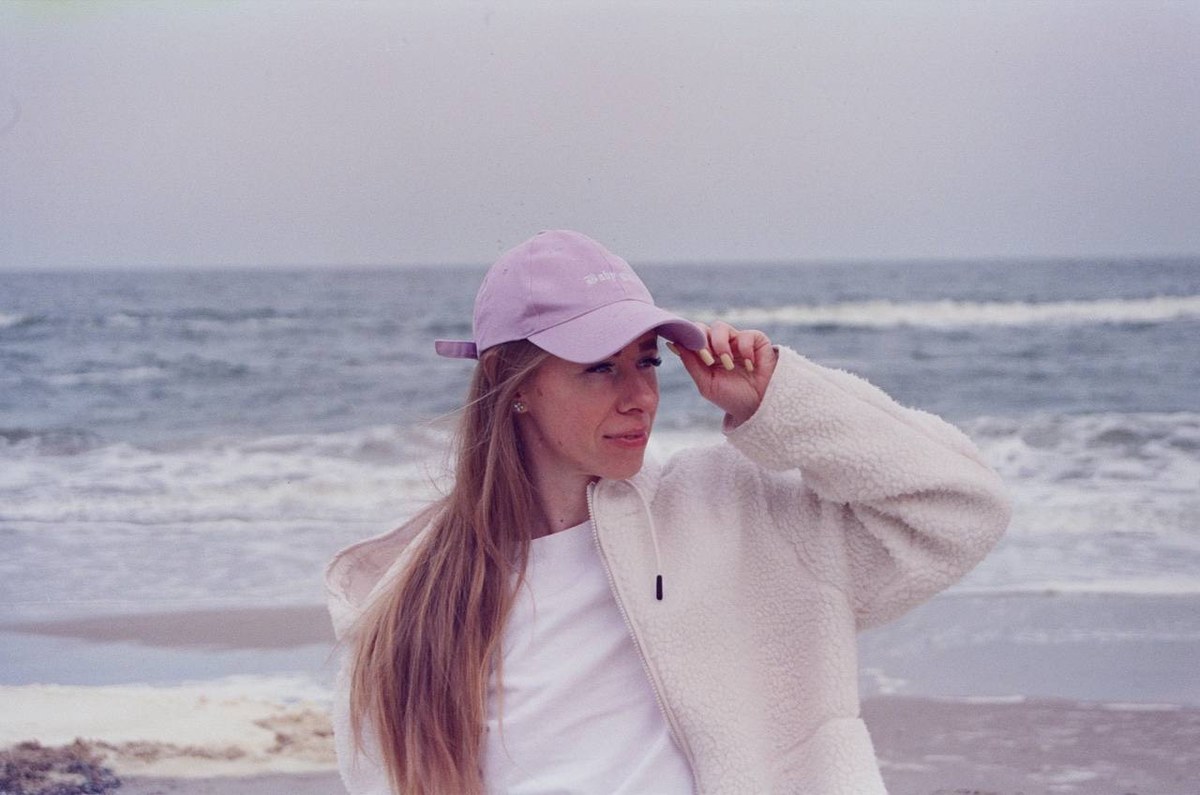
I don’t plan to leave again at the moment. I live in Odessa and often go to the sea. It’s very supportive when you can just go to the water without waiting for a vacation. I also feel psychological fatigue from constant moving, so now I appreciate the opportunity to simply have a home.
Lifehacks for removers
If you move on your own, you should be prepared for loneliness. Even in a friendly country, you feel like an outsider at first — a different language, different circumstances, different pain from the war. Until a new circle of friends appears, it is important to at least have someone with whom you can speak Ukrainian — it is very supportive.
From a practical point of view, it helped me to minimize everyday difficulties in advance. Even before the full-scale war, I formed a clothing capsule: things that are easy to combine and suitable for any weather. This allowed me to pack everything I needed in one suitcase and not worry about shopping in the first months. This approach reduced daily stress — at least in terms of «what to wear.»
My life philosophy: to have a minimum of things, but the highest quality ones that I can afford.
This was influenced by Marie Kondo’s books «The Magic of Tidying Up,» Kate Flanders' «A Year Without Shopping,» and the 2015 film «Minimalism» about people who believe that their entire lives should fit into a backpack.
Another thing that helped me maintain my inner balance was recreating a familiar routine. As soon as I arrived in Poland, I immediately found a gym and a trainer, just like at home. This gave me a sense of stability, even if it was quite illusory. Familiar activities in an unfamiliar environment supported my sense of self.
My main advice is not to expect that «then everything will return to normal.» Life happens here and now, and it is worth trying to build normality from what is. Life in «temporary» mode is very exhausting.
«I couldn’t be in a ‘warm bath’ abroad. Now I’m a dad in a smartphone.» The story of a Senior Software Quality Engineer from EPAM who, despite the opportunity to live in Europe, returned to Ukraine during the war
Як увійти в IT, якщо не вмієш кодити? Три історії неайтішних спеціалістів з Ciklum, TECHIIA та Intetics
Для того, аби працювати в IT, необов’язково вміти писати код. Адже в компаніях велика кількість спеціалістів, які не знають жодної мови програмування та не орієнтуються у фреймворках.
dev.ua розповідає, як влаштована робота в IT неайтіших спеціалістів й чим вона їх приваблює.
«Ситуація вже пройшла точку критичного дна». Що відбувається на ринку праці та чи є шанс на відновлення активного найму в українському IT
36% українців, які втратили роботу, не знають, як її шукати, рапортує Work.ua. Зокрема, 15% читачів dev.ua, згідно з опитуванням, також опинилися за бортом і наразі не працюють. Скаржаться на досить скромний найм у порівнянні з довоєнними часами і рекрутери. Висновок, що ринок кандидата через війну перетворився на ринок роботодавця, вже ні в кого не викликає сумнівів.