Хочете будувати кар’єру в Data Science та AI? Vodafone Big Data Lab відкриває новий набір —>
Mariya BrovinskaStartup
19 November 2026, 10:30
2026-11-19
"A girl burned her sofa with an iron." An 18-year-old developer created the Handy marketplace to find repairmen
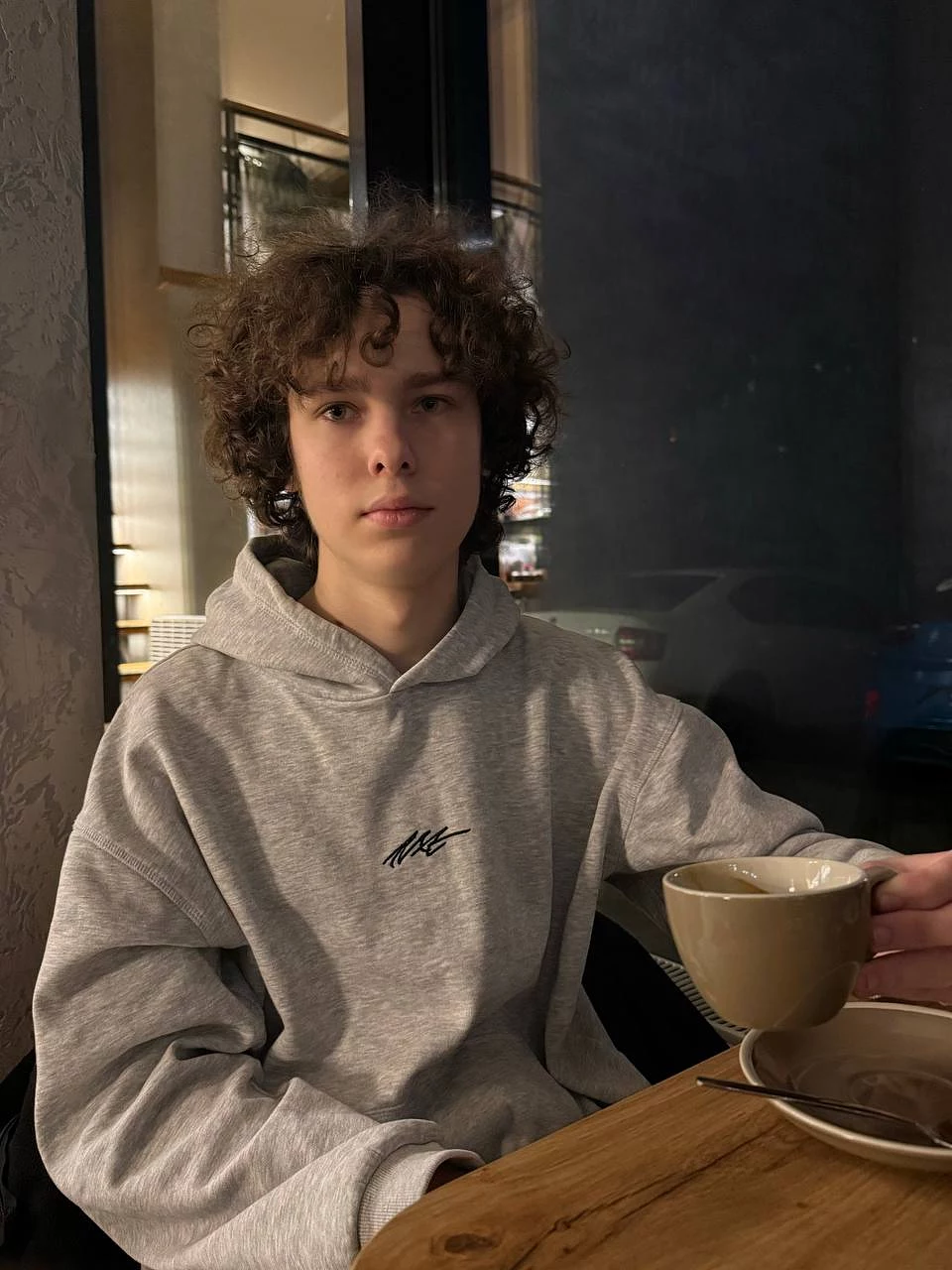
The idea for his own product came to 18-year-old Dmytro Grebenyuk after a completely everyday situation: his girlfriend accidentally burned the sofa in the apartment they rented with an iron. They needed to find a craftsman who could repair the damaged area, but the search turned out to be more difficult than expected. Instead of a local repair, they were offered to completely re-sew the sofa.
The idea for his own product came to 18-year-old Dmytro Grebenyuk after a completely everyday situation: his girlfriend accidentally burned the sofa in the apartment they rented with an iron. They needed to find a craftsman who could repair the damaged area, but the search turned out to be more difficult than expected. Instead of a local repair, they were offered to completely re-sew the sofa.
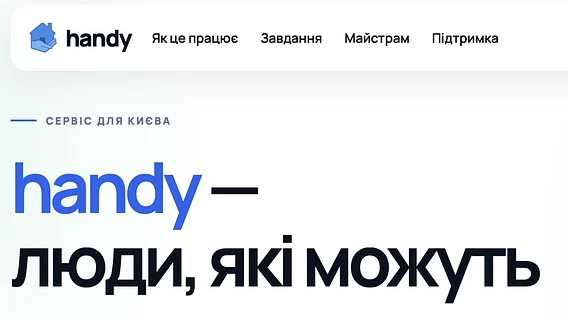
Later, Dmytro talked to the master and heard that the problem is not only with customers: performers also lack a convenient way to find orders. This is how the idea of Handy, a marketplace for household services in Kyiv, was born. Dmytro developed the site himself, thought out the mechanics of interaction between customers and performers, and is now trying to attract the first users.
dev.ua talked to Dmytro about how he created the product, why he chose the marketplace model, how the service makes money, and what problems turned out to be more difficult than writing code.
From a burnt sofa to the idea of a marketplace
Dmytro Grebenyuk
After the story with the sofa, Dmytro started thinking about how to simplify the search for craftsmen for various household tasks. During a conversation with one of the performers, he found out that even the specialists themselves do not always have a convenient channel for finding clients.
“I realized that the problem is on both sides: it is difficult for people to find craftsmen, and for craftsmen to find clients. That is why I decided to create a platform that would help them find each other,” explains Dmytro.
He considered various options for organizing the service. In particular, he could create a company with his own employees who would fulfill orders. But such a model would require hiring people, paying salaries, administration, and constant monitoring of the work of the performers.
That’s why Dmytro decided to use the marketplace: Handy doesn’t hire craftsmen, but connects customers with independent specialists. The client describes the task, and the performers decide for themselves whether they want to take on it and send their proposals.
The service is currently operating in Kyiv. The platform has 15 main categories of services and 187 subcategories — from cleaning and minor repairs to furniture assembly. The geography is not yet expanded: first, Dmytro wants to check how the model works in one city and establish interaction between customers and performers.
How Handy works
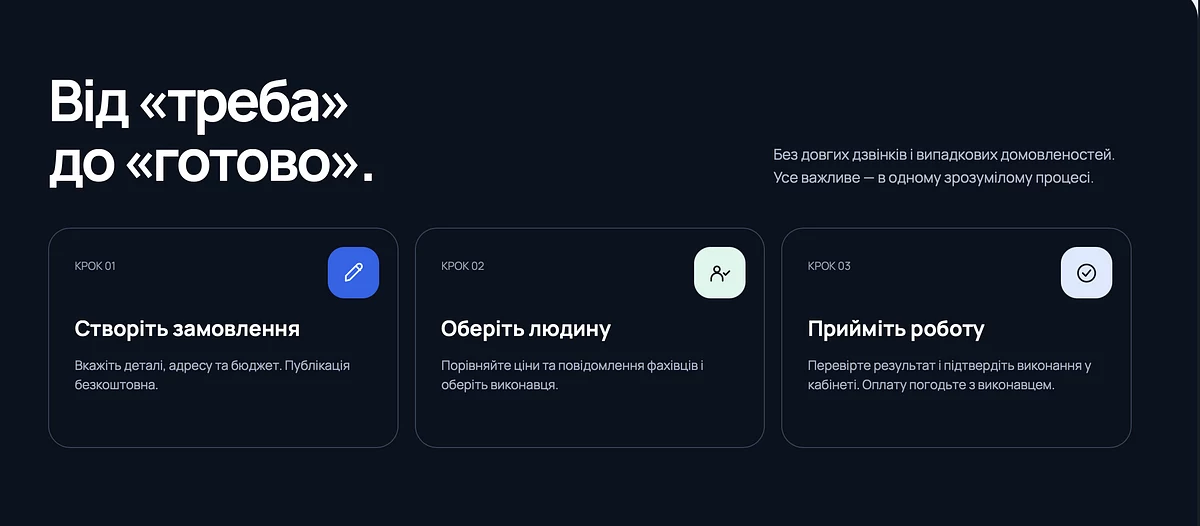
To find a craftsman, the customer needs to create an application on the website. In it, you can describe the task, add photos, indicate the area and budget. Publishing the order is free.
Performers review available tasks and send their offers. The client can compare them by price, rating and reviews or choose a master according to their own criteria. Before confirming the order, the parties can communicate via the Handy Telegram bot, clarifying the details of the work, deadlines and availability of the performer.
Before responding to an order, the master must fill out a profile, add a photo, confirm a phone number, and pass identification through Diya. At the same time, this procedure confirms the person’s identity, not their professional qualifications. Customers can evaluate the experience and quality of the performer’s work based on reviews and ratings that are formed after the tasks are completed.
The Telegram bot also provides for moderation of correspondence: the system should block attempts to transfer contacts, addresses, or links to third-party profiles before the customer selects the performer. After the selection, the master receives the client’s contact details.
Dmytro says that one of the examples for comparison was Kabanchik. According to him, he was not satisfied with the model in which the performer first replenishes the balance or pays for access to the order, and only then can he find out that it is irrelevant. Handy decided to build the payment differently: the master pays the platform only after the client has chosen his offer.
Commission for craftsmen — and no fee for publishing an order
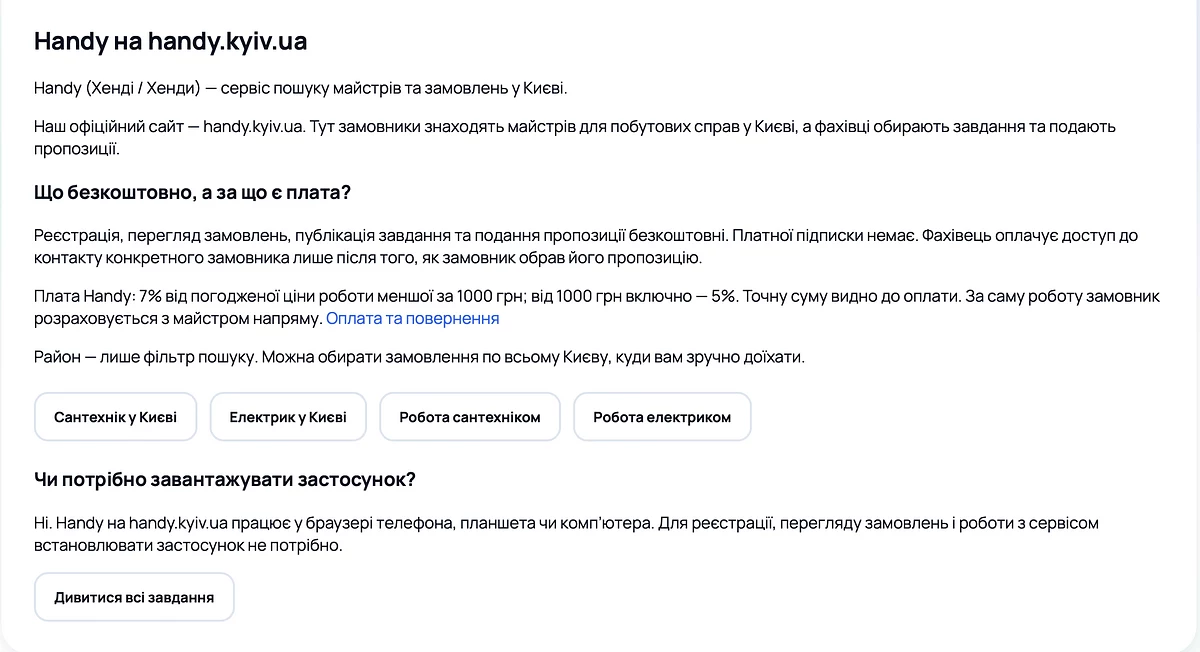
Handy earns on commission from performers. If the customer chooses the master’s offer, the master pays the platform a percentage of the agreed cost of the work: 7% for orders up to 1,000 UAH and 5% for orders over 1,000 UAH.
For customers, creating an application is free. Contractors can also register for free, view orders, and send proposals. There is no paid subscription or need to top up the balance in advance. The customer transfers the payment for the work itself directly to the master — Handy does not accept these funds.
For the first 20 performers, Dmytro provided a promotional code HANDY20, which allows you to receive the customer’s contact information once for free according to the terms of the promotion.
The team is initially looking for craftsmen through social networks, in particular Threads, as well as through personal conversations with Kyiv specialists. Dmytro emphasizes that he is not suggesting that they abandon other sources of orders: Handy should become another channel for finding customers.
They plan to develop customer engagement through social networks and search traffic. To do this, they create pages on the site for specific requests — for example, searching for a plumber, electrician, or furniture assembler in Kyiv.
Python, Flask and two weeks for the first version
From the first idea to the launch of Handy, it took about two months. Dmytro made the first version of the site in about two weeks, but after the launch, development did not stop: he continues to improve the interface, registration, mobile version, and artist verification.
I chose Python and Flask for the backend, wrote the frontend in HTML, CSS, and JavaScript, and used SQLite for the database. I also connected external services: Diya for user identification, a payment service for accepting payments, Google authorization, and Telegram for communication.
Dmytro is not working on the product entirely alone: he has two friends who have their own tasks and areas of work. At the same time, he still takes on most of the development and organizational issues. Recently, his girlfriend has also joined the work — she helps with social networks and advertising.
One of the longest technical tasks was the integration with "Diya". According to Dmytro, during the connection, technical problems arose on the service side, and their resolution required time and communication with managers.
Connecting the payment infrastructure proved to be no less difficult. Some providers refused because the business was new, others did not understand the specifics of the model or stopped communicating after explanations and presentations. Dmytro also says that his age affects negotiations with potential partners, and a limited budget narrows the possibilities for launch and promotion.
After launching, it turned out that writing code wasn’t the most difficult thing.
During development, Dmytro focused most on making sure the site worked and performed the necessary functions. But after launch, tasks arose that couldn’t be solved by programming alone: finding the first developers, explaining the work model to them, setting up support, and figuring out promotion.
Another lesson was related to testing. Dmytro admits that in the beginning he did not test the site enough on different smartphones. Because of this, after launching on individual devices, problems arose with buttons, colors, and the location of elements. Now he tries to go through the entire user journey from start to finish and test it on different phones.
Separately, the team monitors how people interact with the service: how many users visit the site, register, fill out profiles, undergo verification, and create their first applications. Dmytro notes that page views alone do not mean that a person has used the platform.
Handy is still in its early stages: the team is recruiting the first performers and working to ensure that customers can find enough offers on the platform. That is why Dmytro is in no hurry to go beyond Kyiv.
Secure payment is in the plans
One of the areas that Dmytro would like to implement in the future is a secure payment mechanism. According to his idea, the client could deposit money on the platform in advance, in particular for the purchase of materials. The funds would remain reserved until the agreement is confirmed, after which the craftsman would receive them.
But this function is not currently being implemented. According to Dmytro, legal and tax issues arise: many performers work as individuals, and if Handy accepts money from the customer and transfers it to the master, it will be necessary to determine how to properly process such transactions and whether additional tax obligations will arise for the platform. It has not yet been possible to find a payment partner that would support such a model.
Currently, Dmytro’s main task is to form an active community of performers and attract customers who will return to Handy with new household tasks. In a year, he would like to see exactly this kind of interaction on the platform: customers posting applications again, and craftsmen returning for new orders.
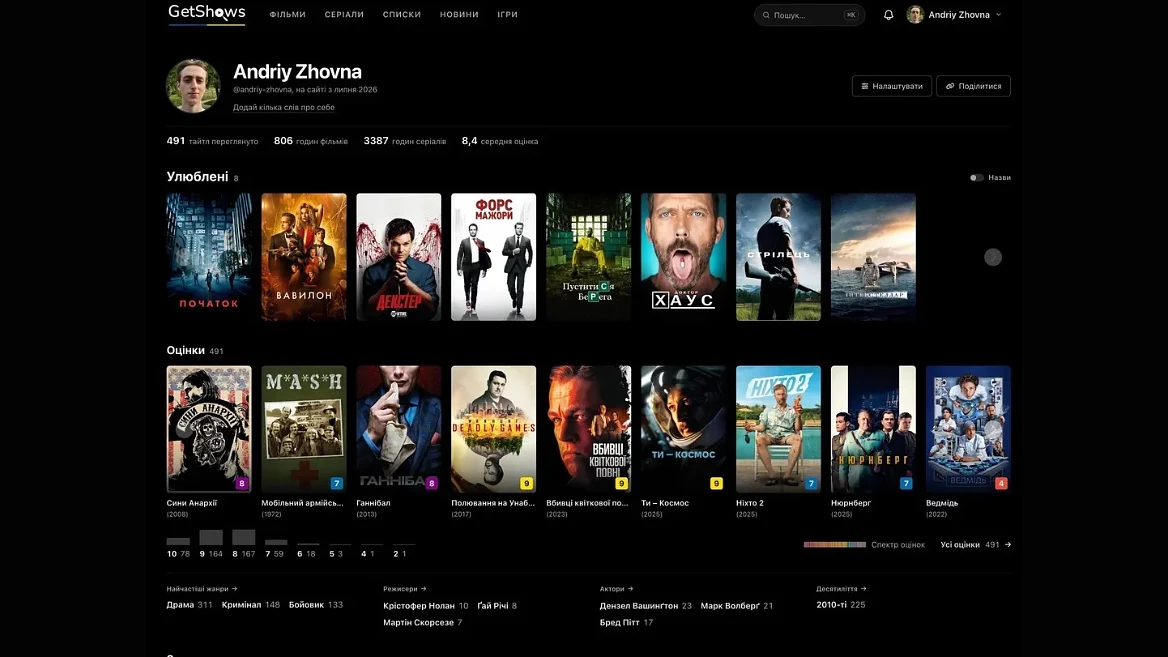
A Ukrainian created a free catalog of movies and TV series without ads and with player integration: GetShows.io also offers games, news, and a viewing tracker
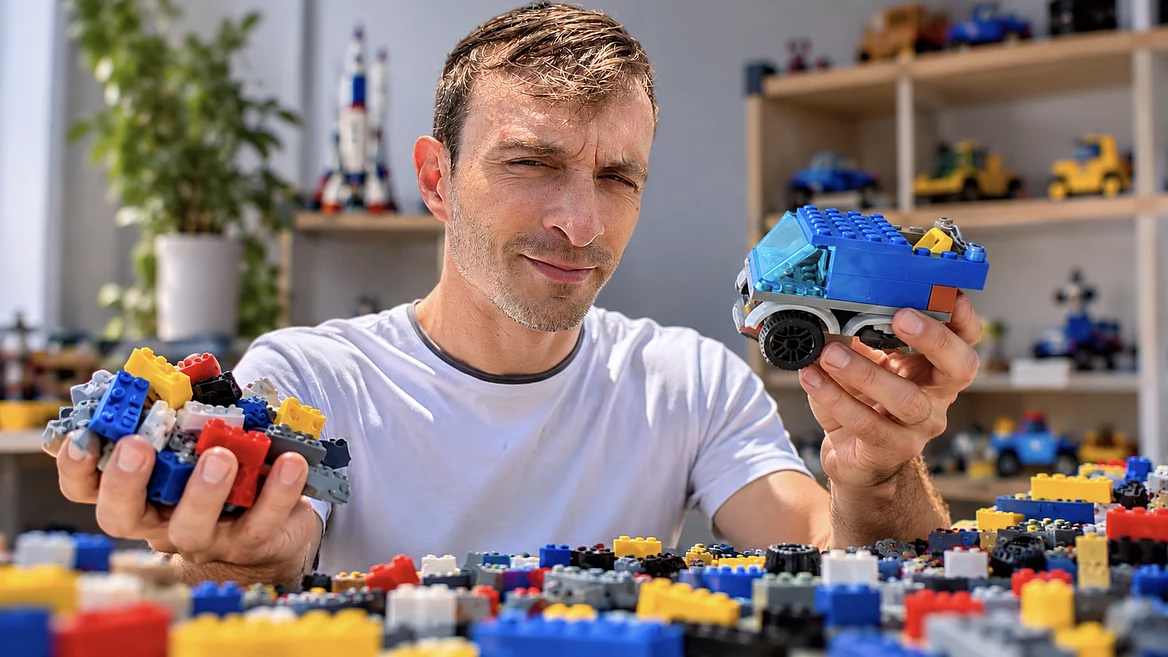
“My job is to give Claude Code tasks, and he does everything himself.” An IT father created an AI service for his son over the weekend that invents new LEGO models. Now he gets organic traffic from Google and has Zelensky and Svitolina figurines in his collection
Вас також кусають комарі? Розповідаємо про пристрій від українських стартаперів, який може цьому зарадити
Як зауважив нещодавно один військовий, якой побажав залишитись невідомим, орки, може, й не поцілять, а комарі точно зʼїдять. І від них потерпають зараз багато українців.
Позбавитись від комарів назавжди ефективно й екологічно допоможе гаджет Mosqitter. Цей стартап заснували дві українки — Анастасія Романова та Ольга Дьячук.
Ми вирішили нагадати, що може Mosqitter, про принципи його роботи та особливості, на злобу дня.
(текст від 21 жовтня 2021 року)
Кнопка здоров'я. Українці розробили систему, яка рятує пацієнтів стаціонару від смерті. Вони - переможці IT Arena Lviv 2022
Медичний психолог, який переїхав в Україну з Москви в 2014 році, Іван Осадчий, придумав систему, яка допомагає медсестрі і пацієнтові не втратити один одного в стаціонарі. Його стартап knopka вже працює в декількох лікарнях понад три роки не лише в Україні, а й у Польщі.
Повторюємо історію стартапу-переможця IT Arena Lviv 2022. Текст від 28 вересня 2022 року.