Реклама партнера — Название партнёра
UNIT.City — місце, де люди працюють... КРАЩЕ! Обирай свій простір просто зараз 👉

Hantavirus in Ukraine: what is it, where does it come from, how deadly is it and should we panic?

New cases of hantavirus have been recorded in Ukraine. Three people died from a rare strain on a cruise ship in the Atlantic. We have gathered everything we know from the WHO, CDC, and the Ministry of Health of Ukraine.

Leave a comment
Hantavirus in Ukraine: what is it, where does it come from, how deadly is it and should we panic?

New cases of hantavirus have been recorded in Ukraine. Three people died from a rare strain on a cruise ship in the Atlantic. We have gathered everything we know from the WHO, CDC, and the Ministry of Health of Ukraine.

Content

What is hantavirus?

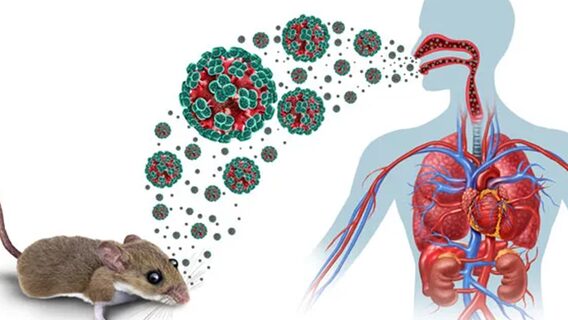
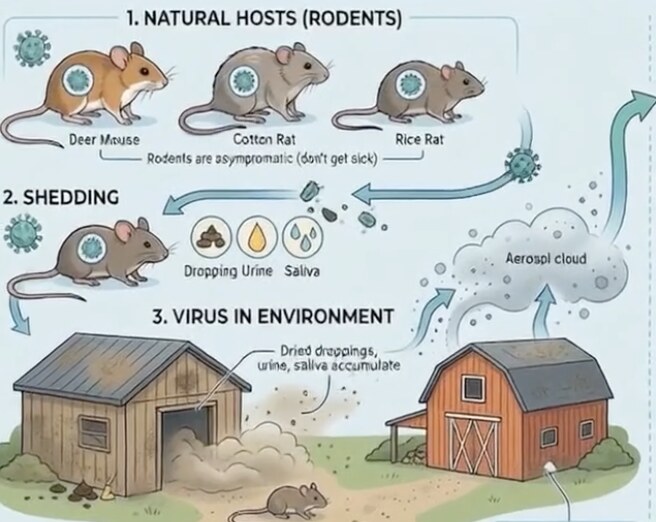
Hantavirus is not a single pathogen, but a large family of viruses. It has been known to science for several decades, with the first significant outbreak in the United States recorded in 1993. Hantaviruses are zoonotic viruses that naturally infect rodents and are occasionally transmitted to humans. The disease varies depending on the type of virus and the geographical region. More than 20 viral species within this genus have been identified.

How is it tolerated?

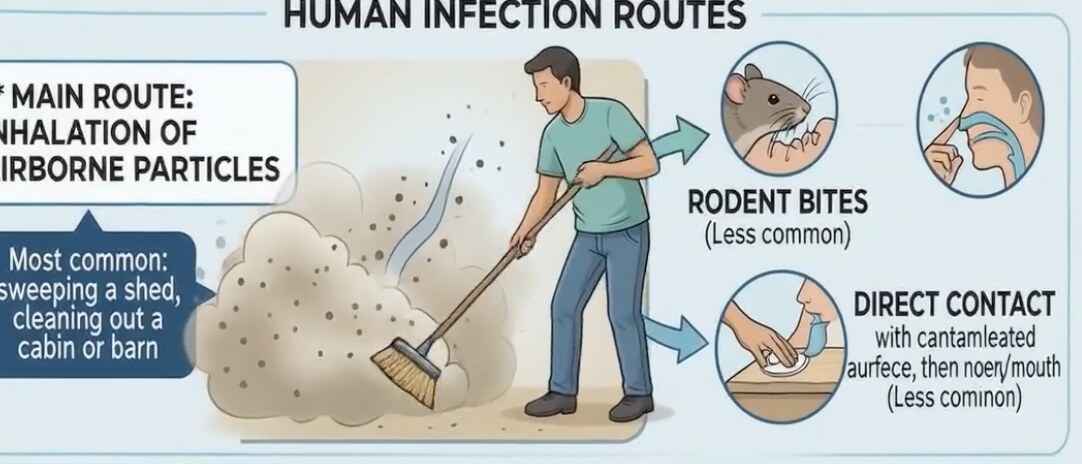
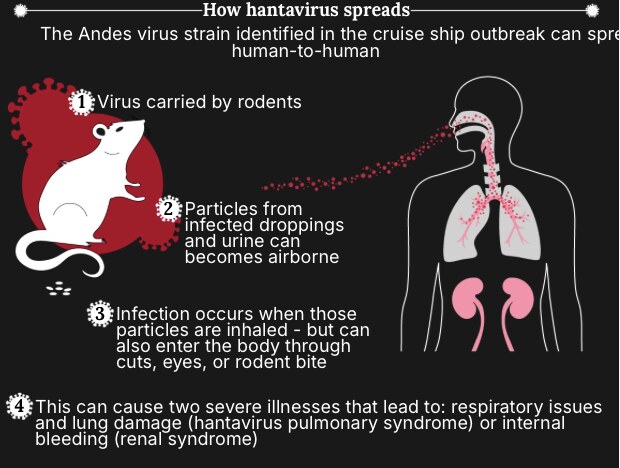
Human infection occurs mainly through contact with urine, feces, or saliva of infected rodents, as well as through touching contaminated surfaces. Even dust can be dangerous: for example, if you sweep a dry pantry, basement, garage, or summer house where there were rodents.

The risk of virus transmission increases significantly when staying in a closed, poorly ventilated room.

Two types of disease — two different dangers

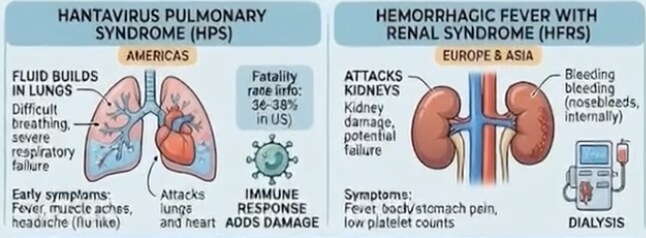
In the Americas, infection leads to hantavirus cardiopulmonary syndrome, a rapidly progressive condition that affects the lungs and heart. In Europe and Asia, hantaviruses cause hemorrhagic fever with renal syndrome, which primarily affects the kidneys and blood vessels.

This is a fundamental difference: the American strains are much more dangerous. The Andes virus from the outbreak on the MV Hondius is the American type — and is unique among hantaviruses in that it is capable of limited human-to-human transmission with prolonged close contact.

Symptoms

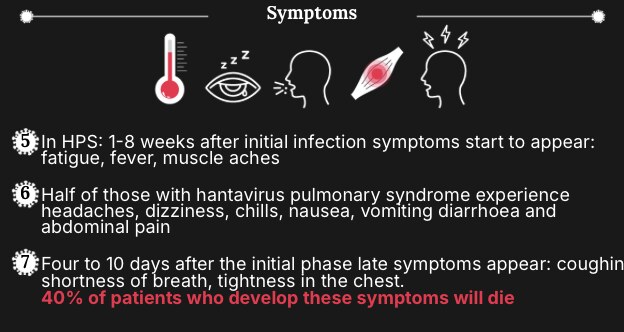
Symptoms of hantavirus infection usually appear 1–6 weeks after exposure to the virus. At first, the illness resembles the flu: headache, dizziness, chills, fever, muscle aches, nausea, vomiting, and diarrhea.

If it is a cardiopulmonary syndrome, the condition can quickly worsen: coughing, shortness of breath, and fluid accumulation in the lungs appear.

Renal syndrome causes severe headaches, back pain, blurred vision, and impaired kidney function.

How many cases are there in the world and in Ukraine?

It is estimated that there are between 60,000 and 100,000 cases worldwide each year, with China accounting for about half of the total. The European Region reported 1,885 cases of hantavirus infection in 2023, the lowest number in 2019–2023. In the Americas, eight countries reported 229 cases and 59 deaths in 2025.

In Ukraine, dozens of cases of infection are recorded every year. In 2026, two cases were confirmed in Khmelnytskyi — both patients with moderate to severe course were successfully cured and discharged. In Chernihiv region, eight cases were registered from 2022 to 2026.

Treatment and vaccine

There is no specific universal drug. The mainstay of therapy is supportive care and treatment of complications. Clinical management of patients with severe disease includes careful fluid management, hemodynamic monitoring, and respiratory support. In critical cases, mechanical ventilation or extracorporeal membrane oxygenation may be required.

There is no vaccine with proven effectiveness in the world — according to the NYT, it has been in development for years due to lack of funding.

Is there a risk of a pandemic?

The WHO currently assesses the risk of global spread as low. Hantavirus does not spread between people as easily as influenza or COVID-19.

The Andes virus is not registered in Ukraine, it is not natural for Ukraine, therefore it does not pose any danger to Ukraine in this regard at the moment. All strains circulating in Ukraine are transmitted exclusively from rodents to humans.

How to protect yourself

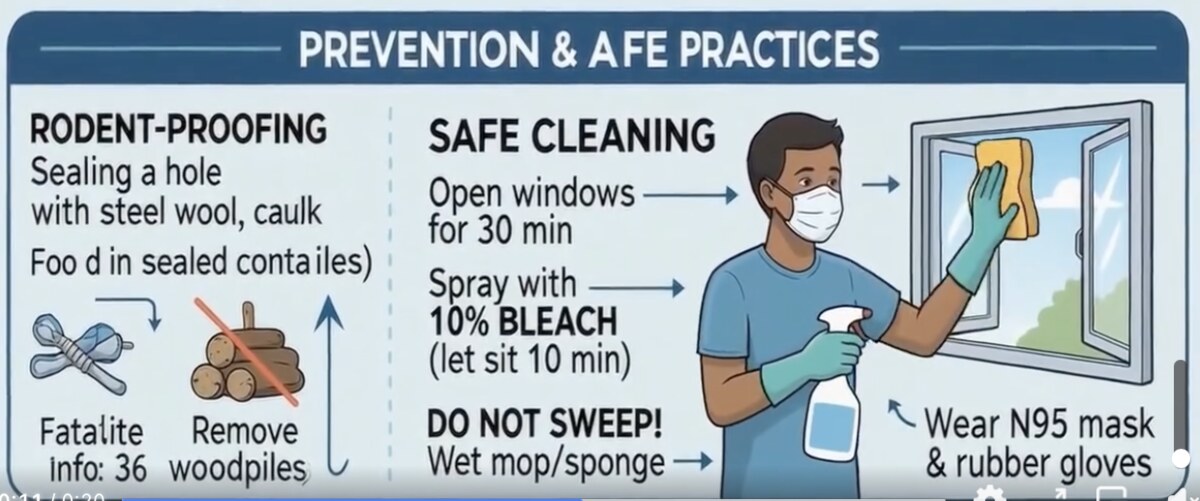
The Public Health Center advises to be especially careful when cleaning old, technical, or abandoned premises. Avoid dry sweeping, which raises dust, and instead carry out wet cleaning with antiseptics and gloves.

If you develop flu-like symptoms after contact with rodents or their secretions, see a doctor immediately, don’t wait.

Cases of deadly Nipah virus recorded in India: no vaccine or treatment, mortality rate up to 75%. What is known and how to protect yourself
Cases of deadly Nipah virus recorded in India: no vaccine or treatment, mortality rate up to 75%. What is known and how to protect yourself
On the topic
Cases of deadly Nipah virus recorded in India: no vaccine or treatment, mortality rate up to 75%. What is known and how to protect yourself
Read the country's main IT news in our Telegram
Read the country’s main IT news in our Telegram
On the topic
Read the country’s main IT news in our Telegram

Have important news to share? Message our Telegram bot

Key events and useful links in our Telegram channel

Discussion
No comments yet.