Олександр КузьменкоScience Pop
6 March 2025, 11:07
2025-03-06
Startup Colossal Biosciences has shown its first successes on the way to returning mammoths to the Arctic — surprisingly hairy mice
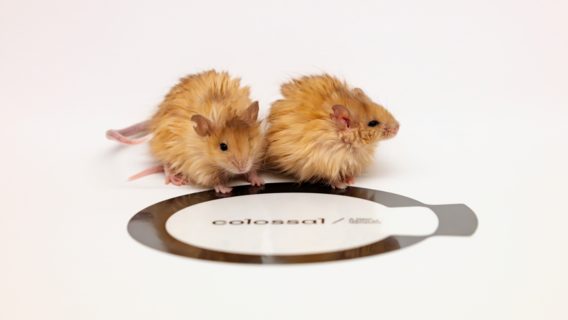
American company Colossal Biosciences has announced the creation of mice with «mammoth features.» This is a step towards its goal of creating hairy genetically modified elephants and populating the Arctic.
American company Colossal Biosciences has announced the creation of mice with «mammoth features.» This is a step towards its goal of creating hairy genetically modified elephants and populating the Arctic.
Colossal Biosciences claims that creating «mammoth-like creatures» could help stop the melting of Arctic permafrost. The BBC reports that the company has been accused of a publicity stunt, because the creation of hairier mice is a far cry from the return of «mammoths».
Colossal Biosciences notes that its message is being misconstrued, and that mice are «an important tool on the path to restoring Earth’s depleted nature.» The researchers point out that the experiments with hairy mice were a step toward genetically modifying elephants to have fur and better withstand the cold.
Colossal Biosciences’ stated goal is to create herds of so-called «mammoth-like creatures» to inhabit the Arctic tundra. The company claims that the creatures’ habits will help pastures thrive and reduce the amount of carbon dioxide released by melting permafrost. Carbon dioxide is a greenhouse gas that is a major contributor to global warming.
But critics say significant scientific challenges need to be overcome before these changes in mice can be tested in elephants.
Colossal Biosciences co-founder and CEO Ben Lam says the woolly mice are a big step forward.
«We are on track to have the first cold-adapted elephant by 2028, which means the first embryos will be available by the end of 2026,» he said.
Lam added that over time, Colossal Biosciences will have «a whole line» of cold-adapted elephants that will be released into the wild so they can interbreed.
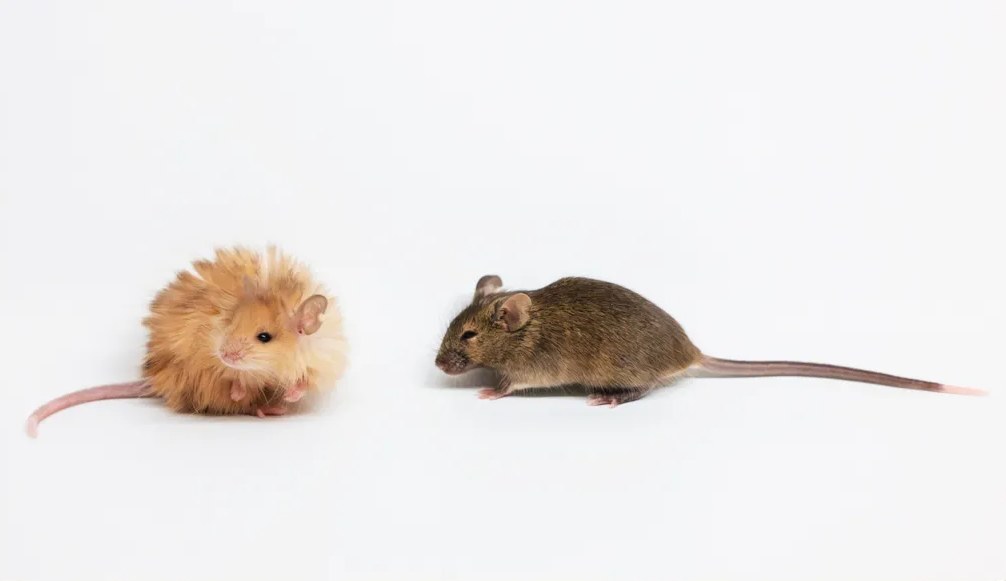
Colossal Biosciences' genetically modified mouse and a common rodent
In woolly mice, eight genes were modified: seven were adapted mouse genes associated with hair growth, and the eighth was a mammoth gene associated with increased body fat. The researchers found that the animals' fur became longer and curlier, but found no evidence that the mammoth gene, which increases body fat, had any effect.
Colossal Biosciences' chief scientific officer, Professor Beth Shapiro, said that the company is also conducting other research programs, such as studying embryo development and creating artificial uterine membranes for genetically modified elephants. This is necessary to create cold-adapted elephants in a few years.
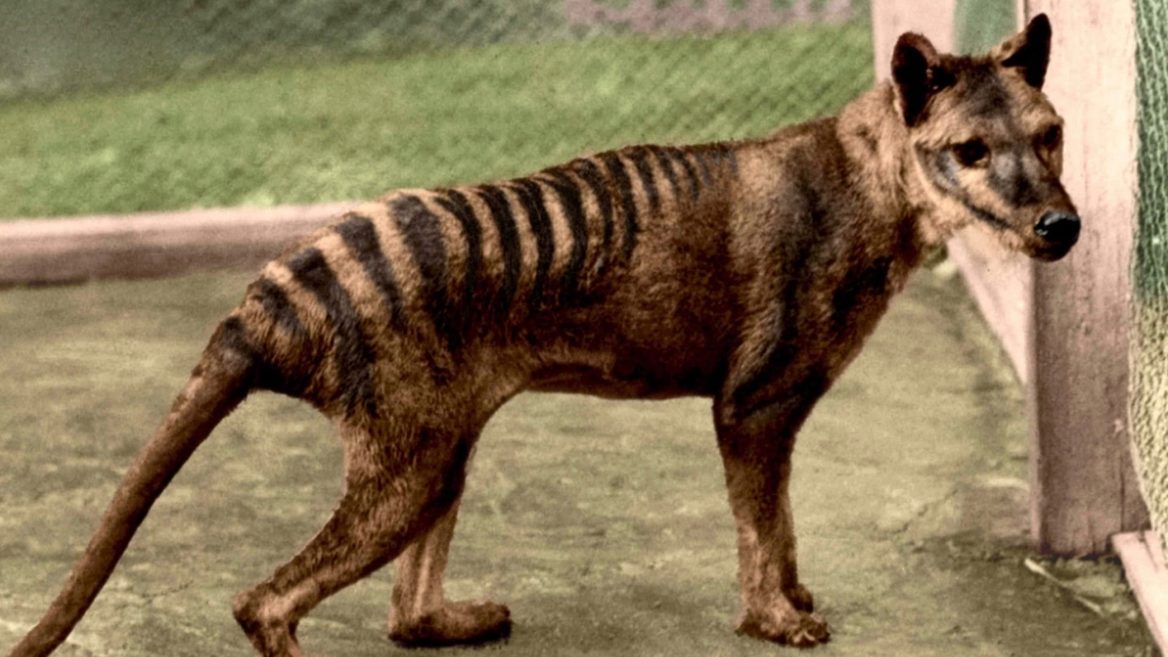
She refutes criticism from other scientists and claims that the work is pointless. According to Shapiro, the company’s plan to reintroduce extinct species such as the dodo and the Tasmanian tiger, as well as the mammoth, will fill lost ecological niches, thereby restoring biodiversity and benefiting the environment.
The genetic tools she is currently developing are already helping endangered species, Shapiro says. They include developing a vaccine for elephants against a deadly virus; creating genetically modified marsupials in Australia, known as quolls, that are resistant to neurotoxins produced by the cane toad; and restoring the genetic diversity of the pink pigeon in Mauritius.
Beth Shapiro assures the elephants that they will not be harmed. The team is developing methods to screen out only viable embryos, and she believes they will not be treated as outcasts either.