Хочете будувати кар’єру в Data Science та AI? Vodafone Big Data Lab відкриває новий набір —>
Наталя ХандусенкоRobots
1 July 2025, 12:35
2025-07-01
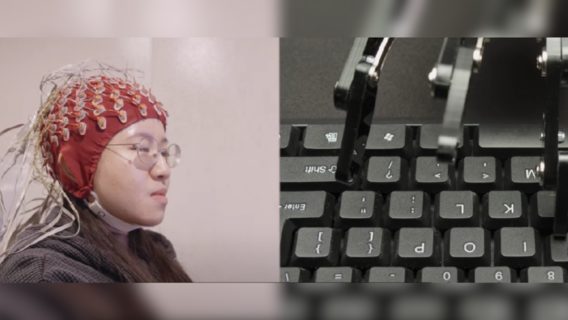
A robotic hand will type text instead of a person, all you need to do is mentally imagine its movement. And it's possible without brain implants
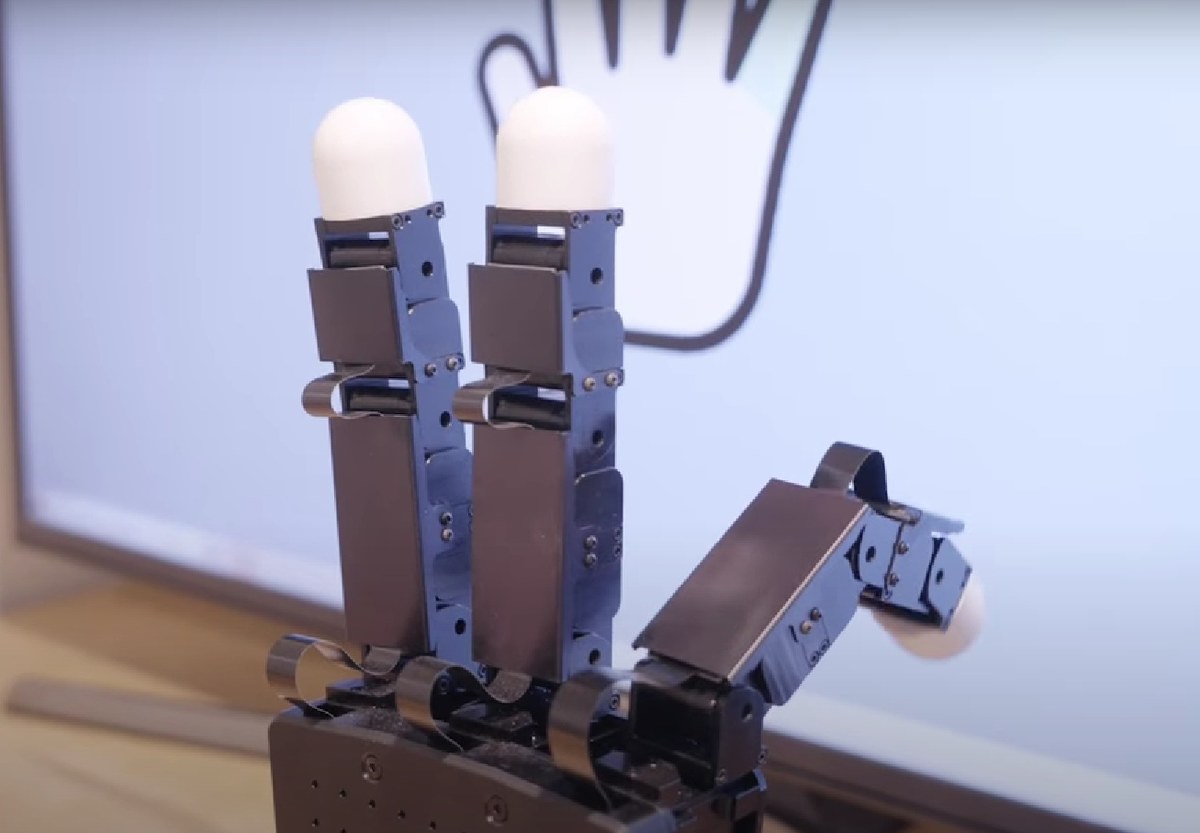
Researchers at Carnegie Mellon University in the US have made a major breakthrough in the field of assistive robotics and brain-computer interfaces (BCIs). They have created a robotic hand that bends its fingers using human thought. Unlike surgically implanted BCIs, this system is external, safe and adaptable to different conditions.
Researchers at Carnegie Mellon University in the US have made a major breakthrough in the field of assistive robotics and brain-computer interfaces (BCIs). They have created a robotic hand that bends its fingers using human thought. Unlike surgically implanted BCIs, this system is external, safe and adaptable to different conditions.
Using electroencephalography (EEG), researchers have provided real-time control of a robotic hand based on thoughts at the level of individual fingers, writes Interesting Engineering.
The team developed a system that allows users to control robotic fingers simply by imagining the movement. Test participants were able to perform tasks with two and three fingers without moving a single muscle.
The system converts EEG signals into robotic finger movements using a deep learning decoding strategy.
The neural network was configured to continuously and accurately decode the user's motor intentions, overcoming the spatial limitations of traditional EEG-based methods.
This new system will allow people to control external devices, such as prosthetics or robotic limbs, using brain signals instead of muscle movements.
It also opens the door to a wide range of tasks, such as printing or manipulating small objects with minimal physical intervention.
In addition, the development demonstrates the power of interdisciplinary collaboration, combining neuroscience, engineering, and AI to solve real-world problems.
The university team will continue to improve its system and expand its capabilities for even more complex tasks.
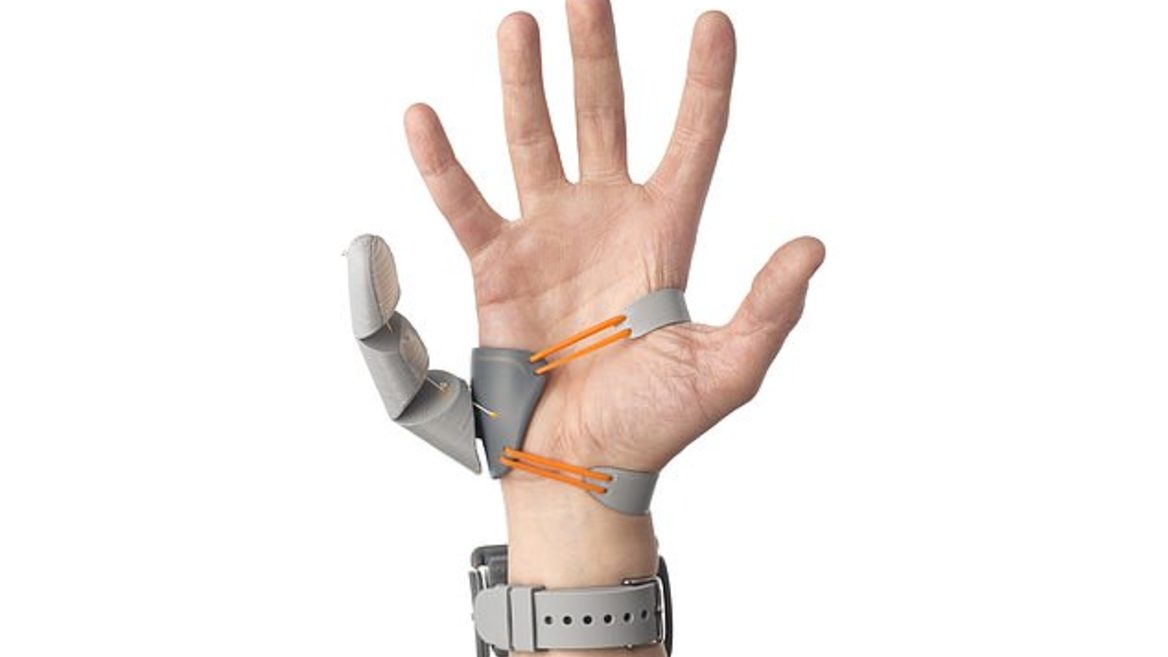
Scientists have developed a sixth finger for the hand, controlled by the human brain. Next up is an extra hand, wings or tentacles. What is it for and who needs it?