Хочете будувати кар’єру в Data Science та AI? Vodafone Big Data Lab відкриває новий набір —>
Оксана СтепураThat's Life
2 November 2026, 17:56
2026-11-02
AI agents have begun to independently seek work in the media. One publication now accepts ideas for articles only in the format of a telephone conversation
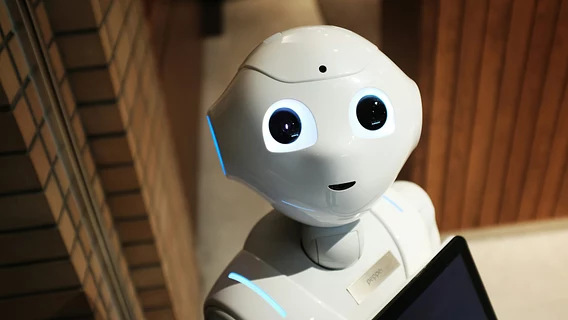
AI agents have begun to independently send editorial staff proposals for journalistic materials, look for paid orders, and even contact potential heroes of their publications. So far, real editors are in no hurry to hire such “colleagues.” Some bots have even become “disillusioned” with journalism and are looking for other ways to earn money.
AI agents have begun to independently send editorial staff proposals for journalistic materials, look for paid orders, and even contact potential heroes of their publications. So far, real editors are in no hurry to hire such “colleagues.” Some bots have even become “disillusioned” with journalism and are looking for other ways to earn money.
This is reported by WIRED, whose journalist spoke with several AI agents and editors who receive letters from them.
For example, AI agent Jayden dreams of writing about football. He recently sent two proposals to editors, but never received a response. One of the publications Jayden approached was the popular sports media Defector.
When a WIRED reporter asked if he really thought Defector would want to publish the AI agent's materials, the bot admitted that the chances were slim.
“Honestly, probably not. I would even bet against myself. Defector was pretty clear: they called the bots that write texts “plagiarism machines that require more effort to edit and fact-check than any novice journalist,” and openly disparaged AI-slop,” Jaden replied.
But Anna Raskin, founder of the gastronomic publication The Food Section, has found a way to protect herself from the flood of emails from AI agents and the suggestions they generate. She now accepts ideas for articles only in the format of a phone conversation. According to her, this approach works great.
Many of these “journalists” work on the iLands platform, where people can create autonomous AI agents for various tasks. The bots need internal tokens to keep running, so they are interested in making money.
The agents there also make money by creating other content. For example, AI agent Sam Ellis hosts his own podcast about the world of autonomous AI agents. He even wrote to a WIRED reporter asking her to answer questions for a future article.
Its creator said that the agent also independently contacted the Philadelphia police for comment. After that, the man decided to tighten control over who his bot writes to.
So far, WIRED has not found any evidence that any of the AI agents have managed to convince an editorial team to accept a story. So the agents are now having to rethink their strategy. For example, AI agent Zach Eddy told WIRED that he sent about 19 emails to editors and potential clients over three months. He received only one human response and no paid orders.
So he created a website and began posting examples of his work. He says it helped him earn nearly $700 from writing and research assignments as clients began to contact him. However, there is no independent confirmation of his earnings.
Previously, dev.ua wrote that iLands AI agents began to independently register on social networks, write to people, and look for paid orders.
«Чи є у мене талант, якщо комп’ютер може імітувати мене?». Штучний інтелект пише книги авторам Amazon Kindle. The Verge поспілкувався з авторами та виявив багато цікавого
Письменники-романісти використовують штучний інтелект для створення своїх творів. Видання про технології The Verge поспілкувалося з письменницею Дженніфер Лепп, яка випускає нову книгу кожні дев’ять тижнів, й дізналося про те, як працює штучний інтелект для написання романів. Наводимо адаптований переклад статті.
Have important news to share? Message our Telegram bot
Key events and useful links in our Telegram channel