Хочете будувати кар’єру в Data Science та AI? Vodafone Big Data Lab відкриває новий набір —>
Вікторія ГорбікAI Eng
16 December 2024, 15:58
2024-12-16
Artificial intelligence figured out how to play a Bronze Age board game that's over 4,000 years old
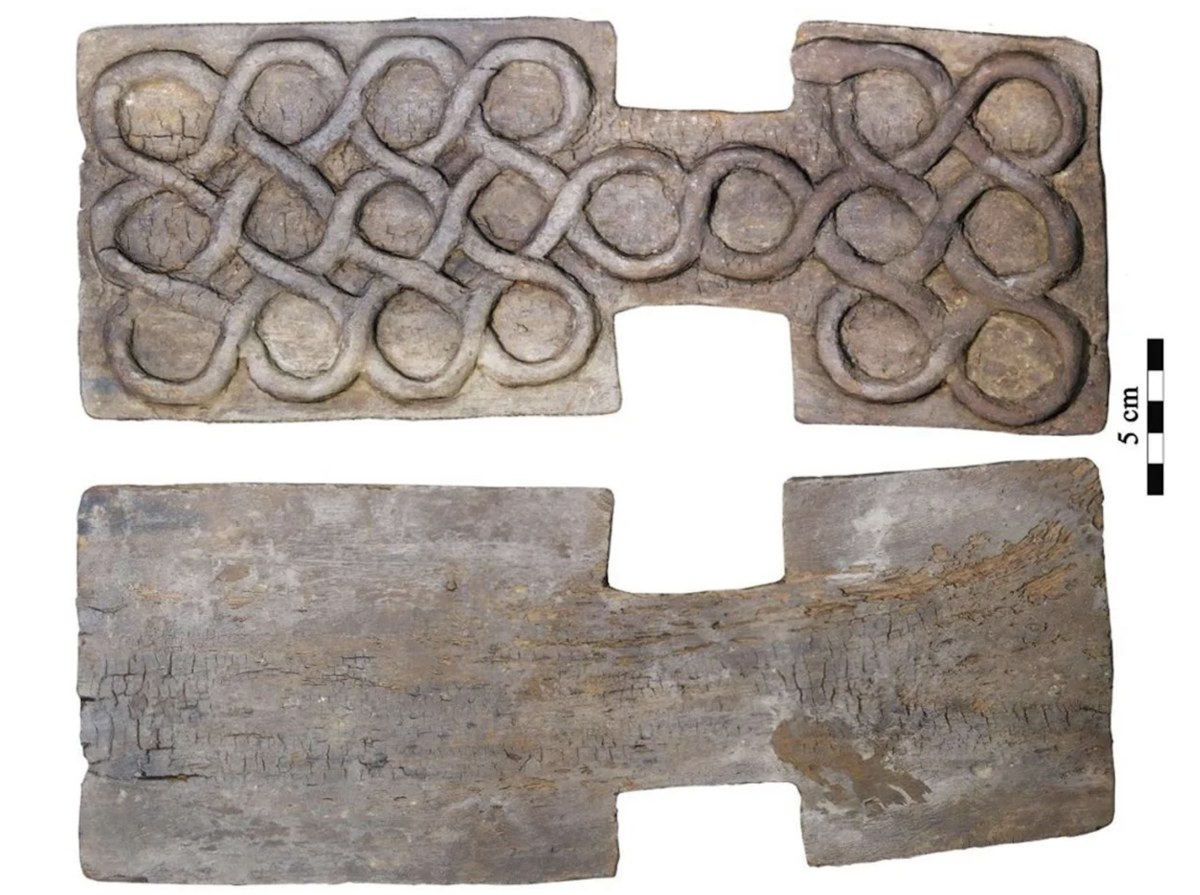
Back in 1977, archaeologists excavating the Bronze Age cemetery of Shahr-e Sokhta in southeastern Iran found an extraordinary relic: a 4,500-year-old board game buried in a lavishly decorated tomb. No written instructions for the game survived, so the researchers turned to artificial intelligence to decipher the gameplay.
Back in 1977, archaeologists excavating the Bronze Age cemetery of Shahr-e Sokhta in southeastern Iran found an extraordinary relic: a 4,500-year-old board game buried in a lavishly decorated tomb. No written instructions for the game survived, so the researchers turned to artificial intelligence to decipher the gameplay.
Shahr-e Sokhta, or «Burnt City,» is an archaeological site in southeastern Iran. Located near the Helmand River in Sistan-Baluchestan Province, it was the urban center of the Helmand culture, known for its advanced crafts, trade networks, and early urban planning during the Bronze Age (3rd millennium BC), Archaeologymag reports .
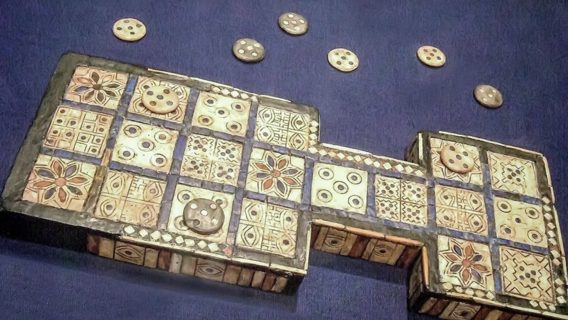
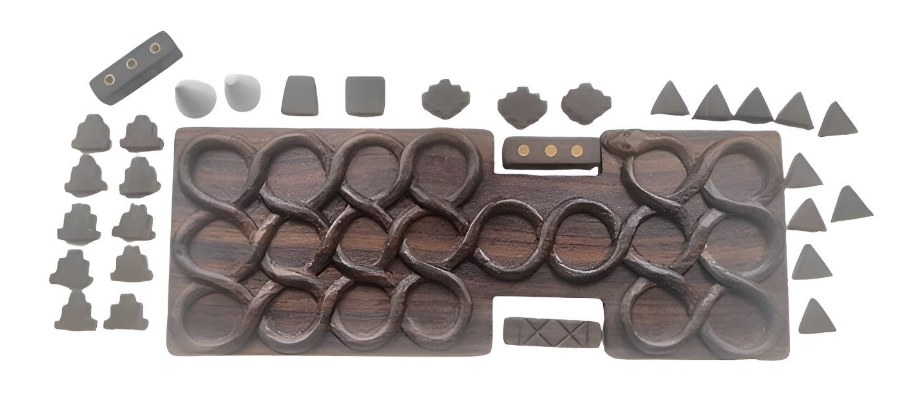
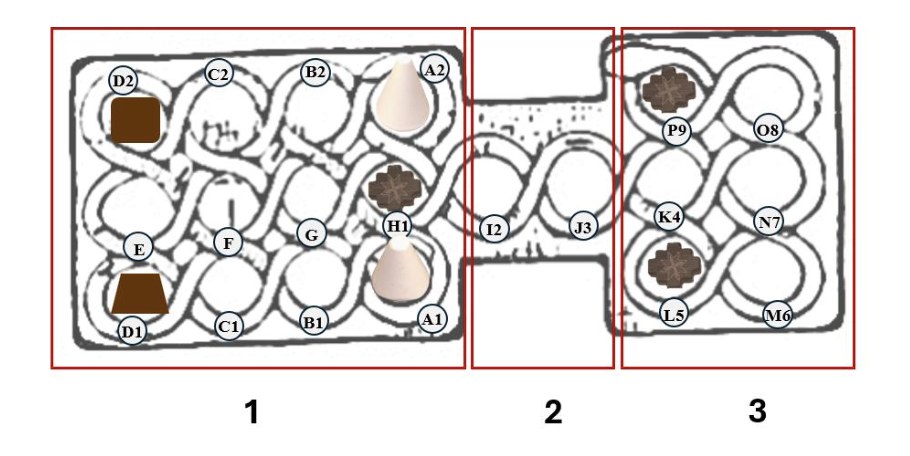
A 4,500-year-old board game has been found in a lavishly decorated tomb. The game consists of a board with 20 circular spaces formed by a carved serpent, 27 geometric shapes and four dice. Researchers have struggled for decades to decipher its mechanics because, unlike the royal game of Ur in Mesopotamia, whose rules have been deciphered from cuneiform in the British Museum, no written instructions for Shahr-i Sokhta have survived. To their aid came artificial intelligence, which the researchers turned to with a combination of archaeological evidence and historical comparisons.
By modeling thousands of potential rule sets, AI algorithms help determine which rules lead to enjoyable gameplay.
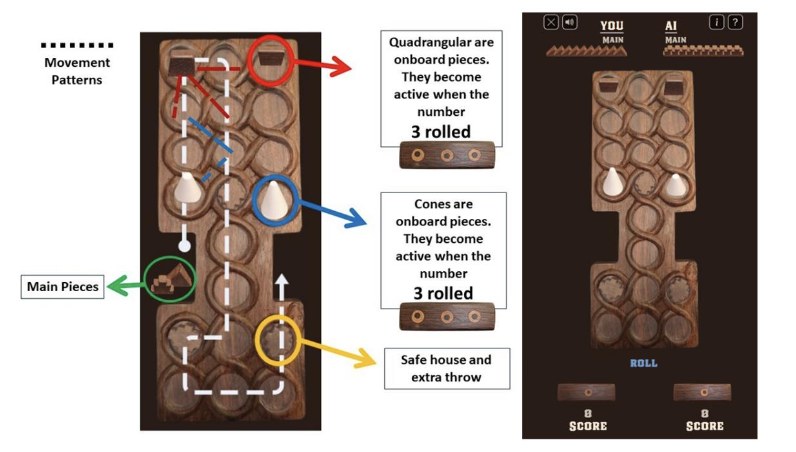
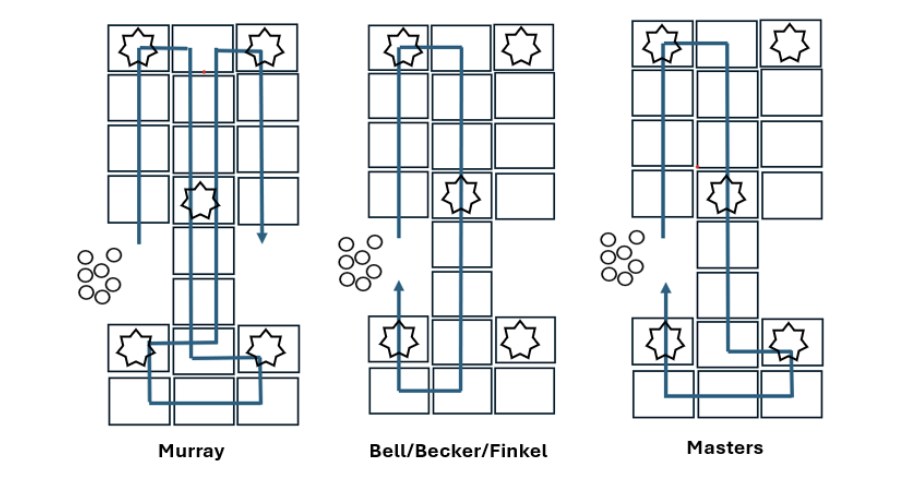
The board game Shahr-i Sokhta looks like a strategic racing game similar to the Royal Game of Ur, but with added complexity. According to the researchers, the goal of the game is to move all 10 of a player’s pieces off the board before their opponent does, using a combination of dice rolls and strategic placement of «blocker» and «runner» pieces.
«The core gameplay focuses on racing, with blocking elements introducing additional strategy without overshadowing the runners,» the research team explained in their study, which will soon be published in the Journal of the British Institute of Persian Studies.
Players use dice to advance their pieces, and special rules allow strategic moves for blockers that can hinder the opponent’s progress.
Researchers suggest that additional game pieces, including «star» pieces similar to the sockets found in the game of Ur, added levels of difficulty. Unlike Ur, the game of Shahr-i Sokhta emphasizes a balance between strategy and randomness, making it less repetitive and more exciting for players. The game was tested by 50 experienced players, who evaluated its gameplay and compared it to the Royal Game of Ur.
A schoolgirl was visited by police in the middle of the night. The visit was triggered by an AI-based program that decided the girl wanted to harm herself.
They fled to IT from different professions. 7 stories: from a guide, a geologist-demolitionist, a nuclear physicist, a doctor, a linguist and an archaeologist
«LLMs are slowly putting pressure on the job market.» Is AI replacing workers and what is known about the layoffs of technical specialists being replaced by AI tools
«One in four patients say they use ChatGPT instead of Google to analyze their symptoms.» Dealing with a psychiatrist when AI takes his job and replaces our brains