Хочете будувати кар’єру в Data Science та AI? Vodafone Big Data Lab відкриває новий набір —>
Олег ОнопрієнкоWeapon
29 September 2026, 12:31
2026-09-29
Soldiers of the 93rd Brigade successfully tested an amphibious IRC on a 40 km route
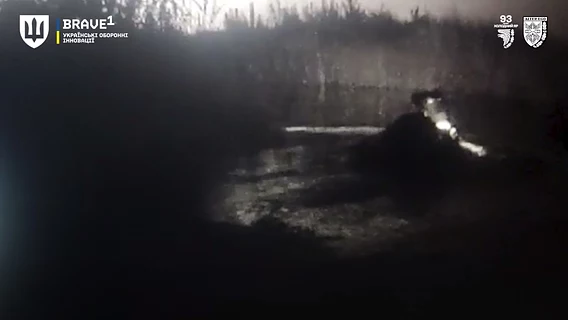
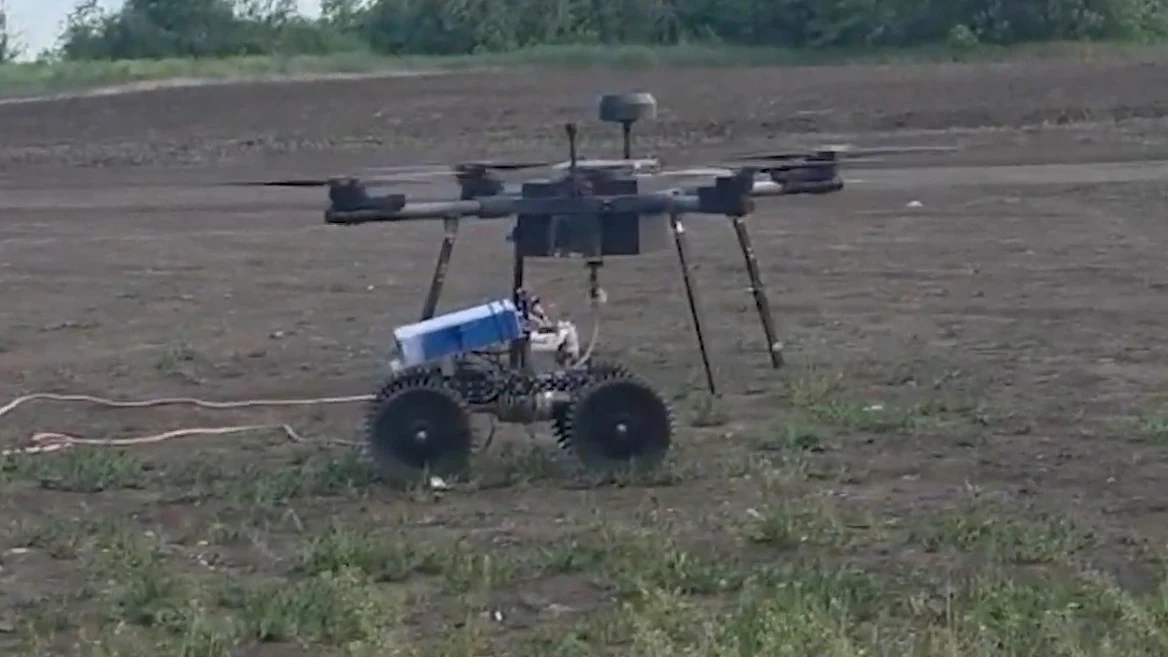
Soldiers of the Alter Ego Ground Robotic Systems Battalion, part of the 93rd Separate Mechanized Brigade "Kholodny Yar", conducted the first successful logistics mission using an amphibious drone. The device covered more than 40 kilometers of a mixed route, delivering provisions and ammunition to positions.
Soldiers of the Alter Ego Ground Robotic Systems Battalion, part of the 93rd Separate Mechanized Brigade "Kholodny Yar", conducted the first successful logistics mission using an amphibious drone. The device covered more than 40 kilometers of a mixed route, delivering provisions and ammunition to positions.
Representatives of the Brave1 defense cluster reported on the successful testing of the technology.
How an amphibious drone works
During the mission, the complex demonstrated its ability to seamlessly overcome both land and water obstacles, which traditionally pose a serious challenge to military logistics.
On land sections of the route, the device maintained high cross-country ability, typical of classic UAVs. When approaching water bodies, the drone switched to swimming mode in a matter of seconds, continuing its movement without delays for overloading or finding detours. Thanks to this technology, the defenders were able to successfully deliver the necessary cargo to the forward positions.
A first-ever logistics mission on an amphibious UGV: the robot covered 40 kilometers across land and water.
Operators of the "Alter Ego" unit (93rd Brigade) deployed the robotic system across mixed terrain. Facing water obstacles, the UGV seamlessly switched to swimming mode to… pic.twitter.com/rH8waq04a4
Brave1 noted that this deployment was preceded by several months of close cooperation between developers and the military. The complex was carefully adapted to the specifics of real terrain and the daily needs of soldiers.
Currently, the Ministry of Defense, together with the Brave1 cluster, continues to develop the direction of amphibious IRCs, helping manufacturers scale such solutions to ensure logistics flexibility and save the lives of military personnel.
"This is the last chance for the wounded to stay alive." Blitz with the soldiers of the 1st separate medical battalion about the MAUL NRC for evacuation at the front
Robots on the front lines are taking prisoners, capturing weapons, and saving lives. How ground-based robotic systems, which have become an integral technological element of war, work