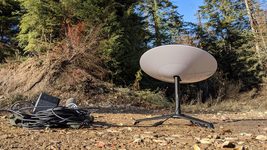
SpaceX has created a miniature base station that eliminates "dead zones" in satellite communication coverage
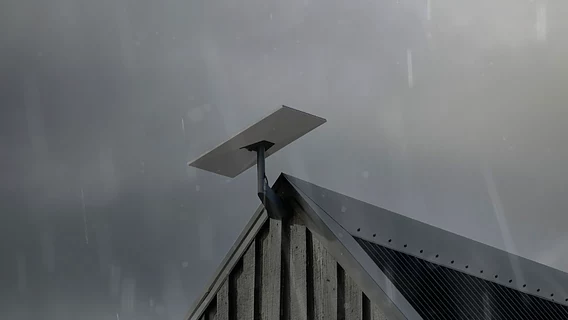
SpaceX has completed the development of a compact base station that will be installed on the roofs of buildings. The device will help eliminate the "dead zones" of indoor communication where the Starlink satellite signal has difficulty reaching.
SpaceX has completed the development of a compact base station that will be installed on the roofs of buildings. The device will help eliminate the "dead zones" of indoor communication where the Starlink satellite signal has difficulty reaching.
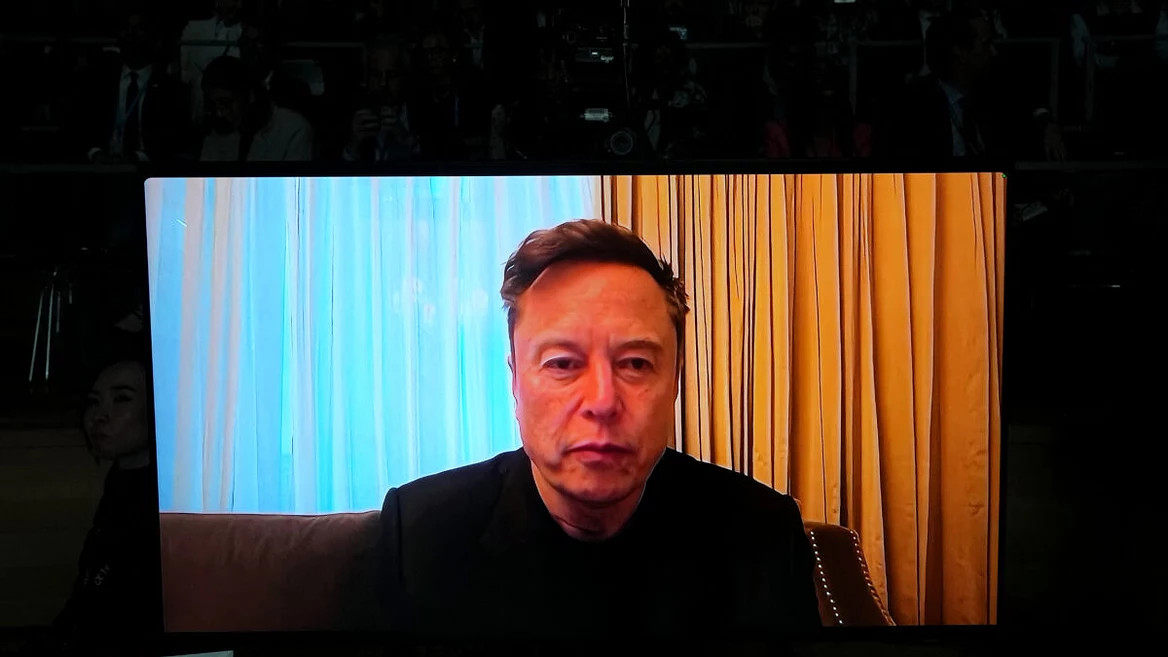
SpaceX CEO Elon Musk made the announcement during an interview at the DealBook Summit, TechCrunch reports . According to him, the production of the new stations is planned to begin in 2027, but the businessman noted that he is targeting a launch "next year," avoiding giving exact deadlines.
“We have a plan that will provide ubiquitous access on Earth, including through mobile phones. But there is a missing link here - if you are indoors, especially under a metal roof, it blocks the signal from space. So we need a ground-based solution,” Musk explained.
He described the new development as a micro-base station that is mounted on the roof according to the principle of a regular Starlink antenna. One implementation option could be to combine these stations directly with Starlink terminals. At the same time, SpaceX President Gwynne Shotwell previously noted that the company will not build large cell towers, but will rely on small stations with low power consumption.
In addition to ground equipment, in 2027 SpaceX plans to launch an upgraded group of Direct-to-Cell V2 satellites, which should increase network capacity by 40 times.
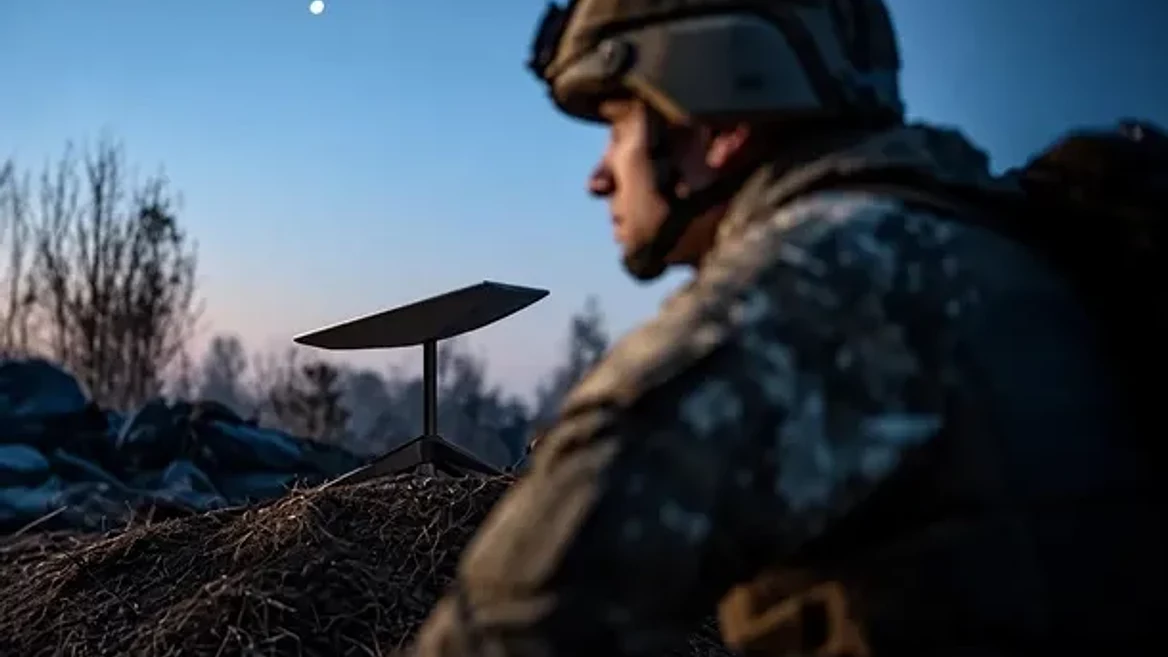
Earlier, Elon Musk said that Ukrainian President Volodymyr Zelensky is lying about disruptions to the Starshield satellite network in Ukraine and is trying to use the regular consumer Starlink service for offensive military purposes.
Божество, зореліт, уламок планети: що людство знає про Місяць і як збирається туди повертатися
16 листопада 2022 року NASA успішно запустила місію Artemis 1 до Місяця. Ракета Space Launch System (SLS) і корабель Orion стартували о 8:47 за Києвом із космічного центру Кеннеді на мисі Канаверал. Задача корабля Orion — покрутитися навколо супутника Землі шість днів і повернутися на Землю, після чого можна запускати людей. Якщо все пройде успішно, уже за кілька років ми побачимо грандіозний камбек і реюньон людства на супутник Землі. Що ми знаємо про Місяць, чому так довго його ігнорували та як будемо повертатися — в оновленому завдяки успішному старту (нарешті!) суперексплейнері від dev.ua від 29 серпня 2022 року.
Product Designer задонатив ЗСУ особистий Starlink. Як він це зробив
Арсеній Фещенко працює на позиції Product Designer платформи по оренді квартир у Києві та Лондоні bird. Нещодавно хлопець задонатив на потреби ЗСУ особистий Starlink. Розповідаємо, як це вдалося зробити.
«Життя — це більше, ніж просто вирішення однієї проблеми за іншою». Ілон Маск написав колонку в китайському медіа. Які плани техногенія на найближче майбутнє?
Бізнесмен Ілон Маск написав колонку про сталу енергетику, мозкові імпланти та дослідження космосу в китайському виданні, що належить національній агенції з контролю за інтернетом та цензурою. Англійською текст переклав журналіст китайського держвидання «Сіньхуа» Янь Лю. Ми адаптували допис українською.