Хочете будувати кар’єру в Data Science та AI? Vodafone Big Data Lab відкриває новий набір —>
Олексій ДзюбаІсторії
12 February 2025, 09:02
2025-02-12
How advanced fiber optic drones from a Ukrainian manufacturer work. Report from the test site
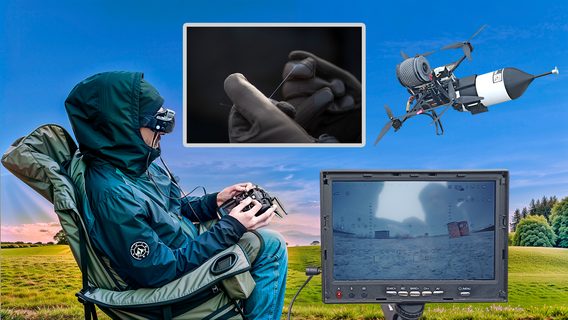
In August of last year, the Russians began using modified versions of fiber-optic drones on the front lines. The main reason for the popularity of this type of UAV is the inability to suppress it with the electronic warfare (EW) systems that our front lines are littered with. In addition, there is currently no effective countermeasure against fiber-optics.
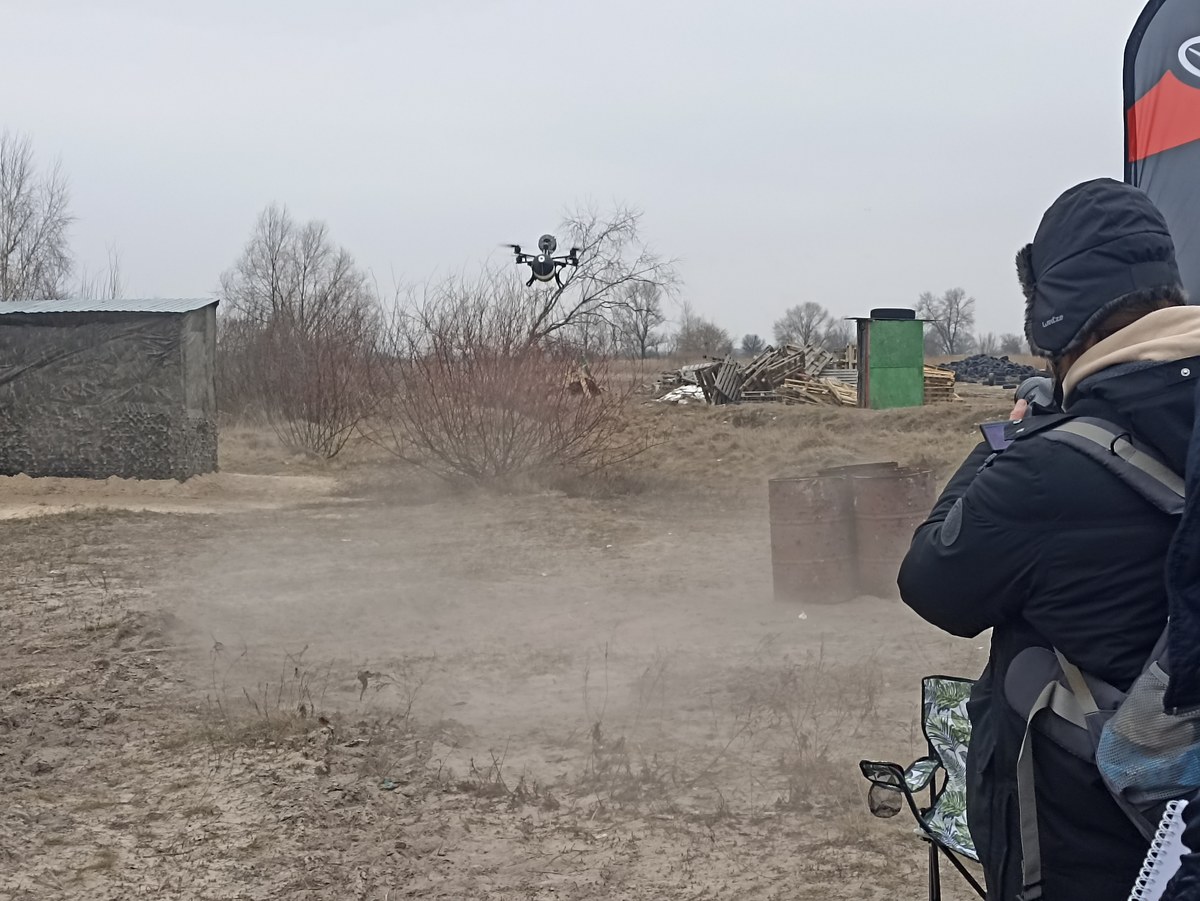
3DTech is one of those Ukrainian manufacturers of fiber-optic drones that are working on a response to the occupiers. Last weekend, we visited the testing ground with the company and saw how its improved UAV turned out. We also learned what technological solutions can be effective in the fight against such enemy "birds". More about all this later in the material.
In August of last year, the Russians began using modified versions of fiber-optic drones on the front lines. The main reason for the popularity of this type of UAV is the inability to suppress it with the electronic warfare (EW) systems that our front lines are littered with. In addition, there is currently no effective countermeasure against fiber-optics.
3DTech is one of those Ukrainian manufacturers of fiber-optic drones that are working on a response to the occupiers. Last weekend, we visited the testing ground with the company and saw how its improved UAV turned out. We also learned what technological solutions can be effective in the fight against such enemy "birds". More about all this later in the material.
New drones
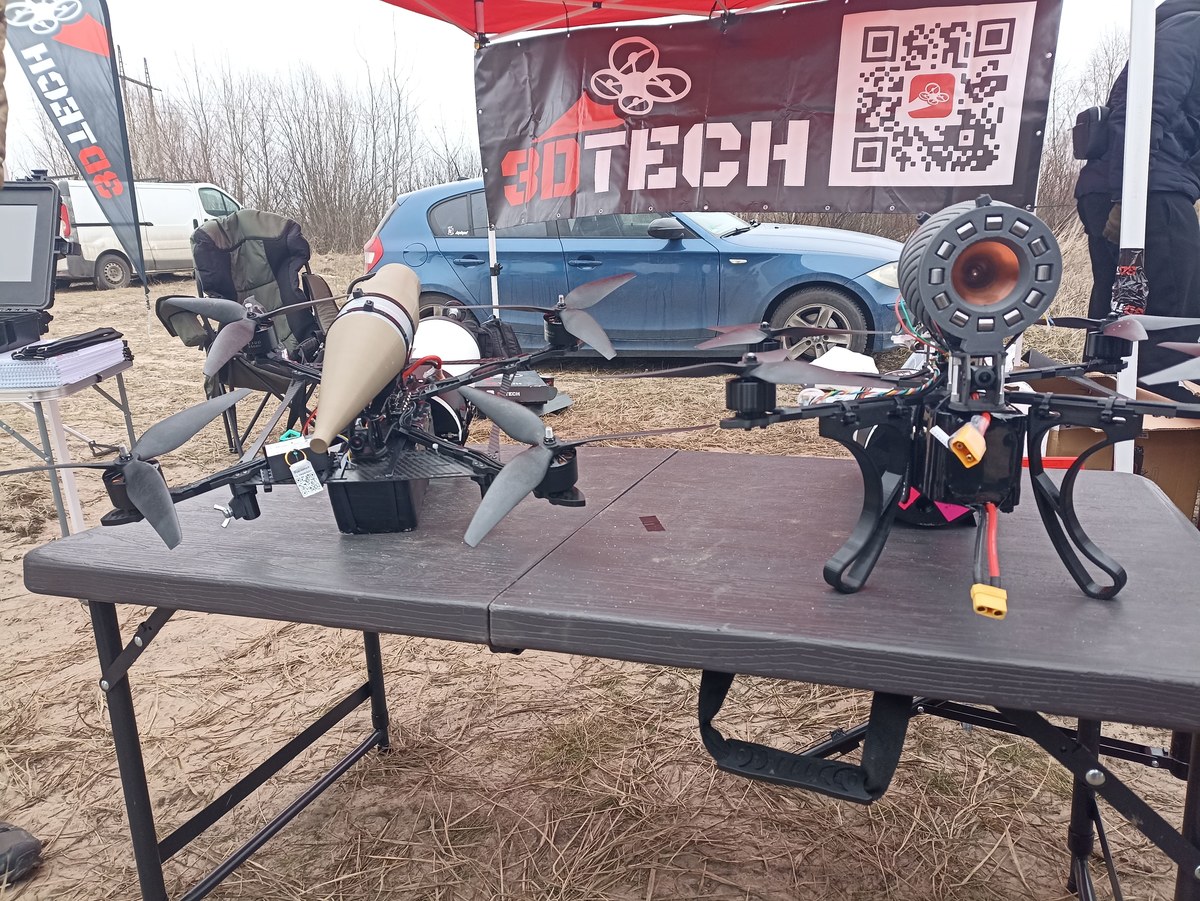
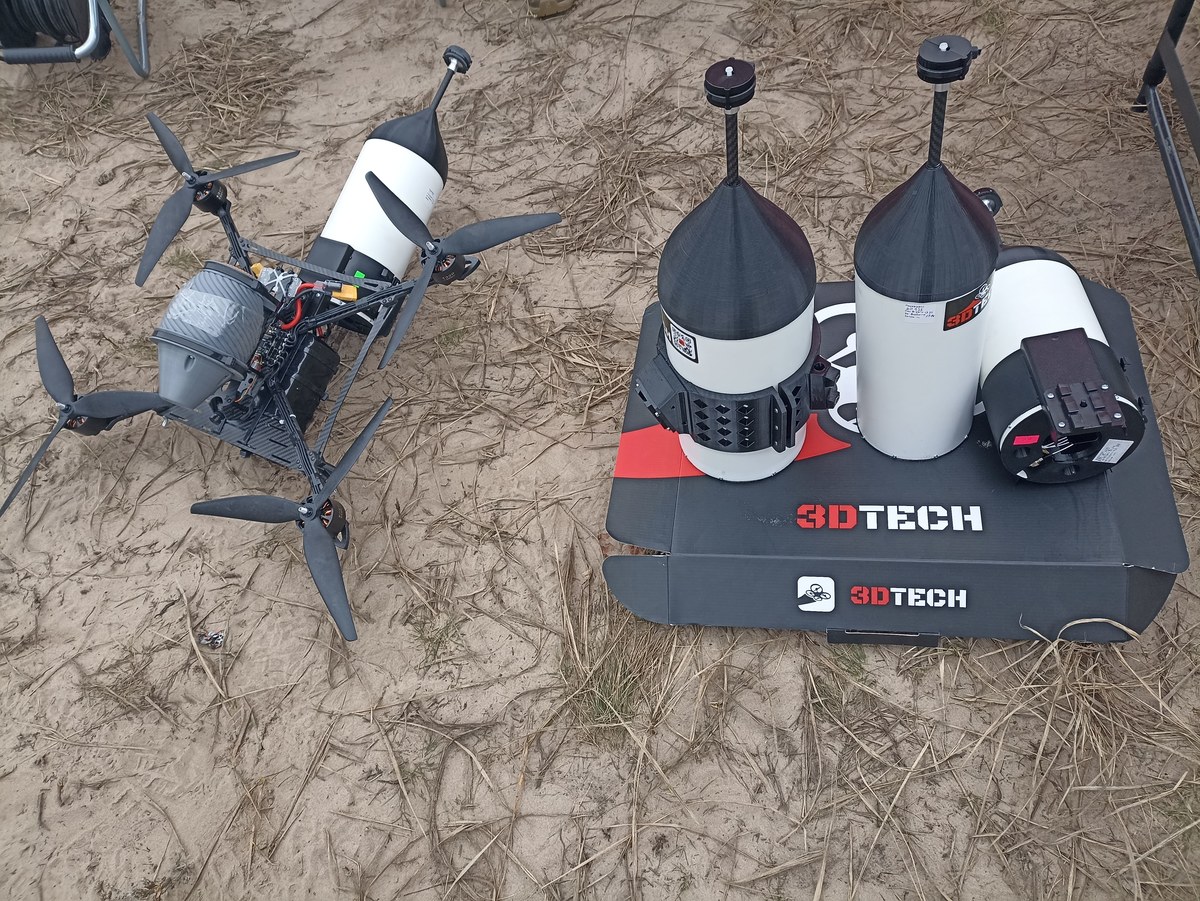
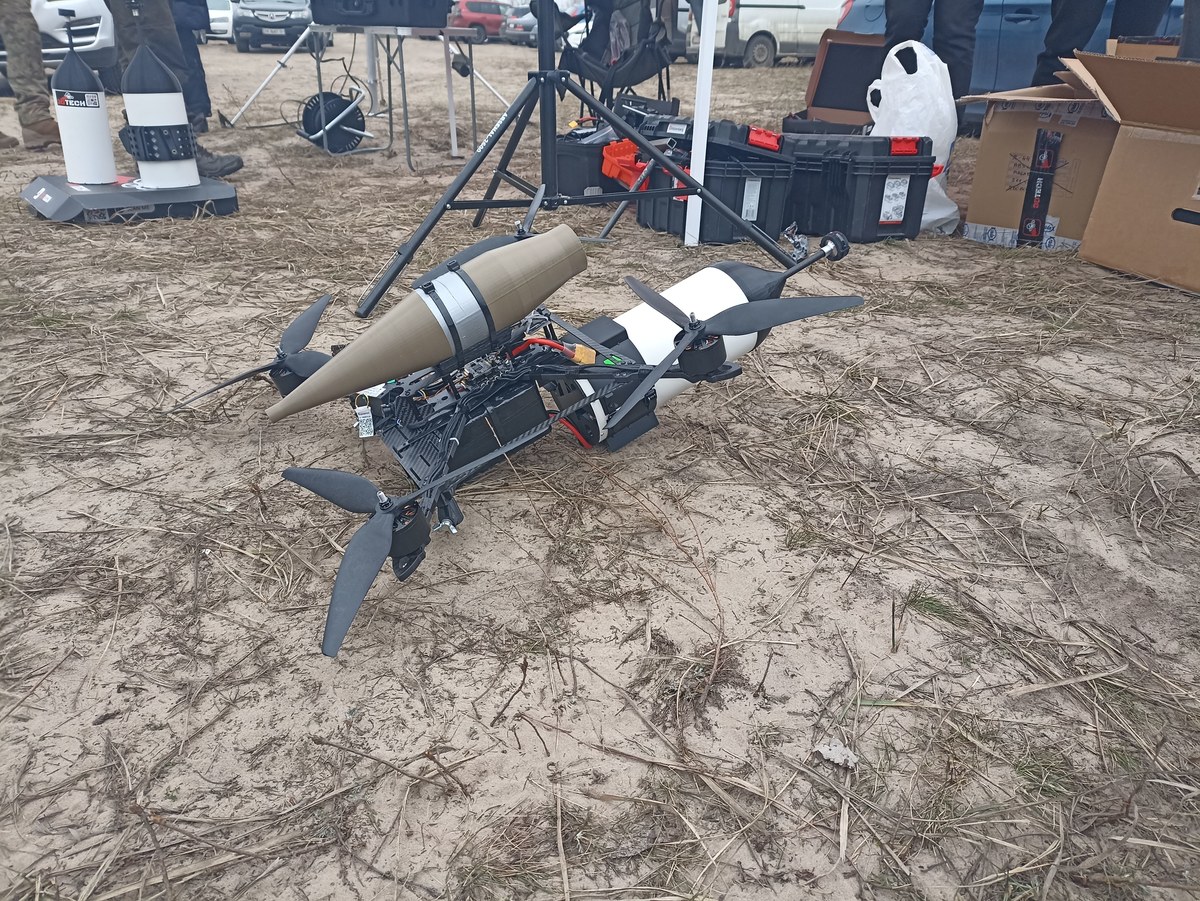
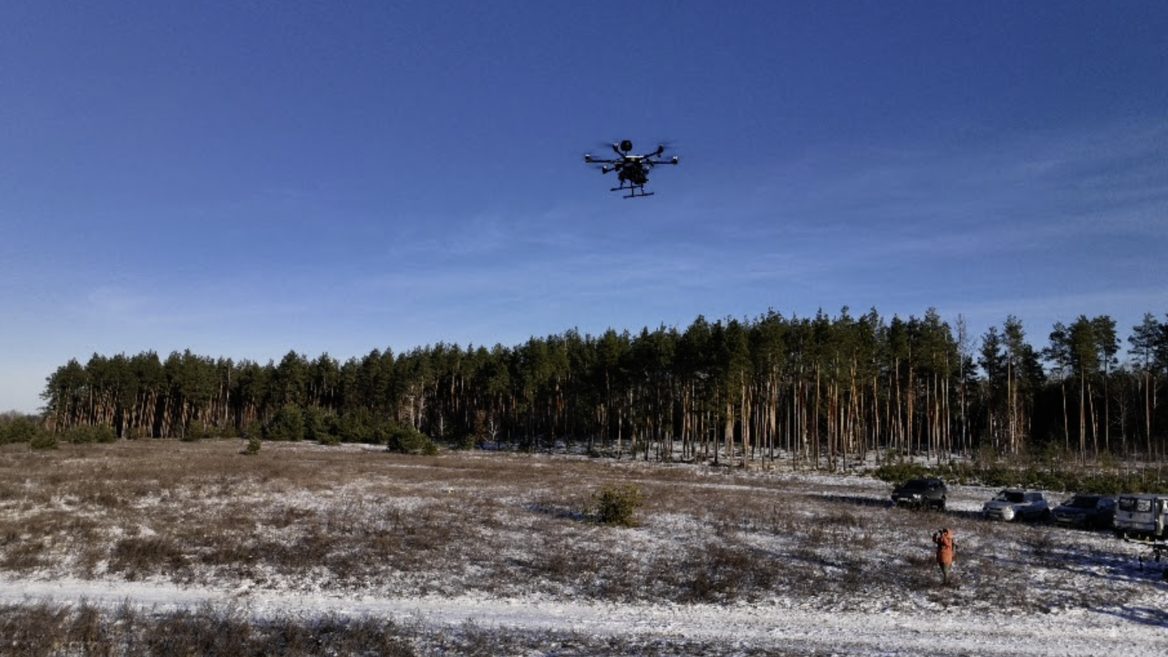
“We have a new line of 10 and 13-inch fiber-optic drones. The first type of UAV can have a 12 km coil and a 1.8 kg warhead, or a 15 km coil and a 1.5 kg payload. We also have three models of 13-inch drones with old Chinese coils of 2.2 kg and 2.5 kg. These drones fly at 20 and 25 km,” says 3DTech founder and former military man Oleksiy Zhulinsky, who found himself in the defense industry after being seriously wounded at the front, during a presentation at the training ground.
Ukraine has taken up fiber optics for drones not because of a good life. Now the Russians are ahead of us in this issue by 3-4 months, provided that we catch up with them in production . Therefore, more than 25 teams of engineers of the Brave1 technology cluster are developing fiber optics drones. About 10 are preparing documentation for codification of their developments, which will open the way for them to the first contracts. One model has already been codified, two more are at the final stage.
“Our fiber-optic drone lay in the office for four months and was not needed by anyone. But when the Russians in the Sumy direction began to burn our equipment, they spoke out for its need. Unfortunately, the enemy began to massively use such UAVs before us. But we adopted some technological components from the “hunted” Russian drones that were transferred to us,” said Roman Ogarkov, CEO of 3DTech.
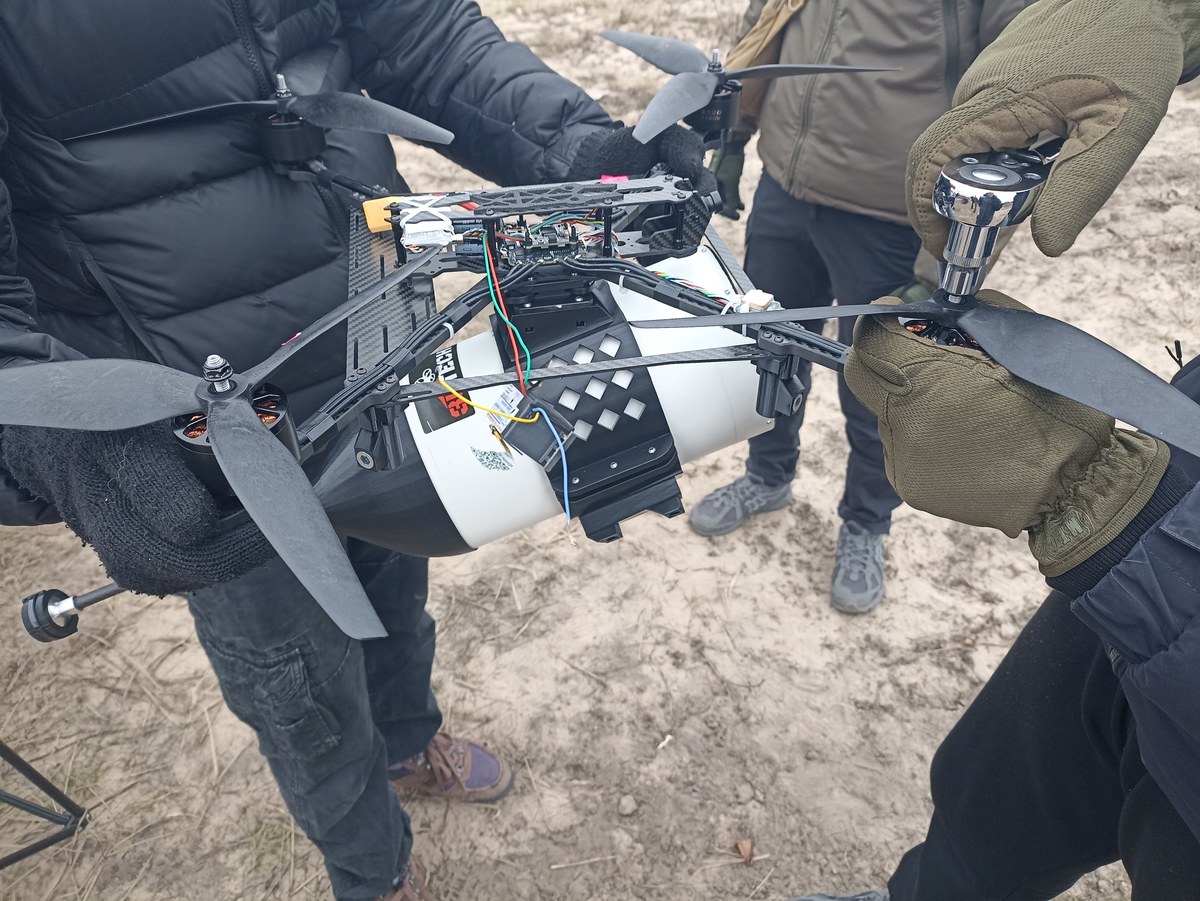
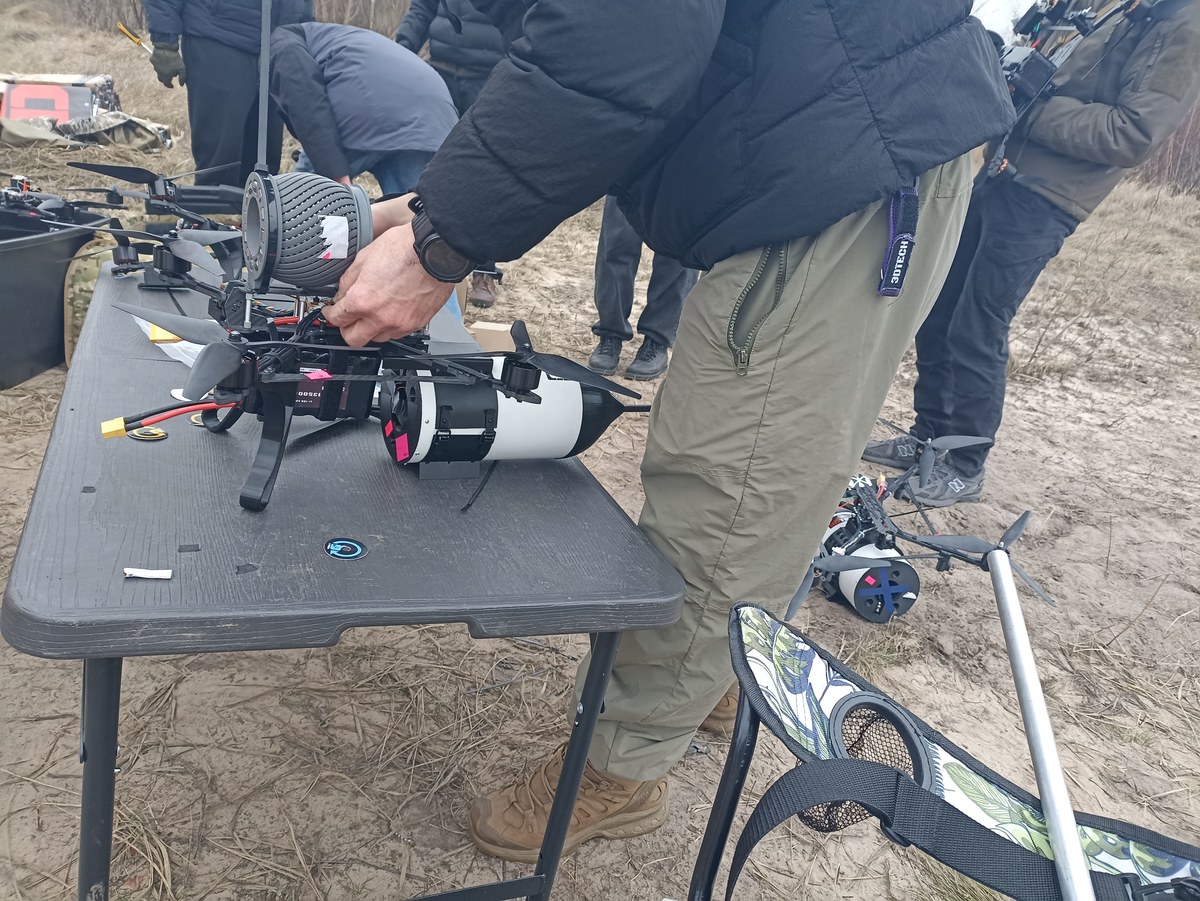
The Ukrainian company has improved the quick-release system for mounting drones so that there are no problems with ties and mounting coils. The form factor (standard overall dimensions - ed.) of the drone is made so that the coil nozzles are as far away from the propellers as possible. This contributes to improved maneuvering and approach to the target.
“Fiber-optic drones are more expensive than conventional ones due to the use of a coil and media converters. We are trying to test components from Ukrainian manufacturers in drones to make UAVs cheaper. The cost of a 10-inch drone today is about UAH 32,000, but we are constantly trying to reduce it,” says the CEO of 3DTech.
Today, the company has passed the tests of the Codification Commission and is waiting for the signing of the relevant acts. "Time is running out in weeks. The military, which buys drones with state funds, will be able to do so from us," the head of the company adds.
“Even if we and other manufacturers scale up, it will take 3–4 months to catch up with the Russians.” Interview with the manufacturer of ERW-resistant fiber-optic drones, which are currently one of the main technologies on the front
Ukrainian reels
“To buy a coil of imported fiber optic cable in Ukraine now, you need about $900. Therefore, one flight is equal to this amount,” Oleksiy Zhulinsky told dev.ua in December 2024.
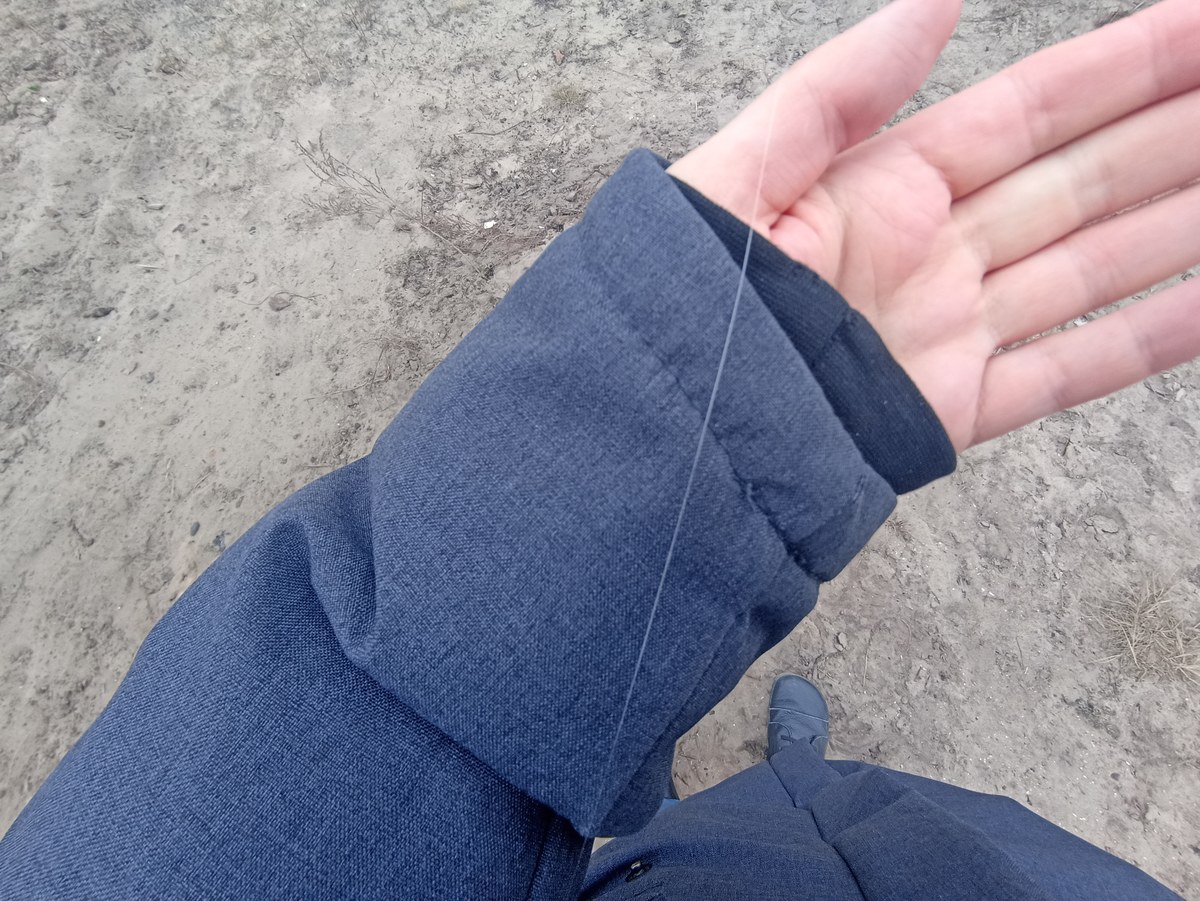
At the test site, he reported that the company now independently winds fiber optics onto spools. “The weight of a spool at 10 km is 1.1 kg, at 25 km — approximately 2.3 kg. We fly on 0.25th (thickness — ed.) fiber optics,” explains the company founder. It should be understood that the spool with fiber optics is intended for single use.
3DTech says that a 10 km coil for their drone is wound in 15 minutes by special machines . They were purchased from a company in Vinnytsia. After winding, the coil is measured, and a special device shows its characteristics.
Fiber optic material is produced in several countries. The leaders include the United States, India, and China, where Russia purchases this material for its drones. “We are currently negotiating with Germany to be more protected if China refuses to supply us with the material,” says Roman Ogarkov, CEO of 3DTech.
The company notes that Chinese manufacturers make a rather “rough” winding on a spool, which is why their products constantly have kinks in the optical fiber . This, accordingly, leads to a possible rupture of the material. 3DTech says that the quality of their windings is higher because specialists who work with winding machines control the processes.
Some companies wind fiber optics onto ammunition, because there is room inside the coil for it. 3DTech is skeptical about this method. They say that competitors got stuck with this solution at the warhead documentation stage and now simply do not produce UAVs.
Over 25 engineering teams from the Brave1 cluster are developing fiber-optic drones
How to stop drones on fiber optics
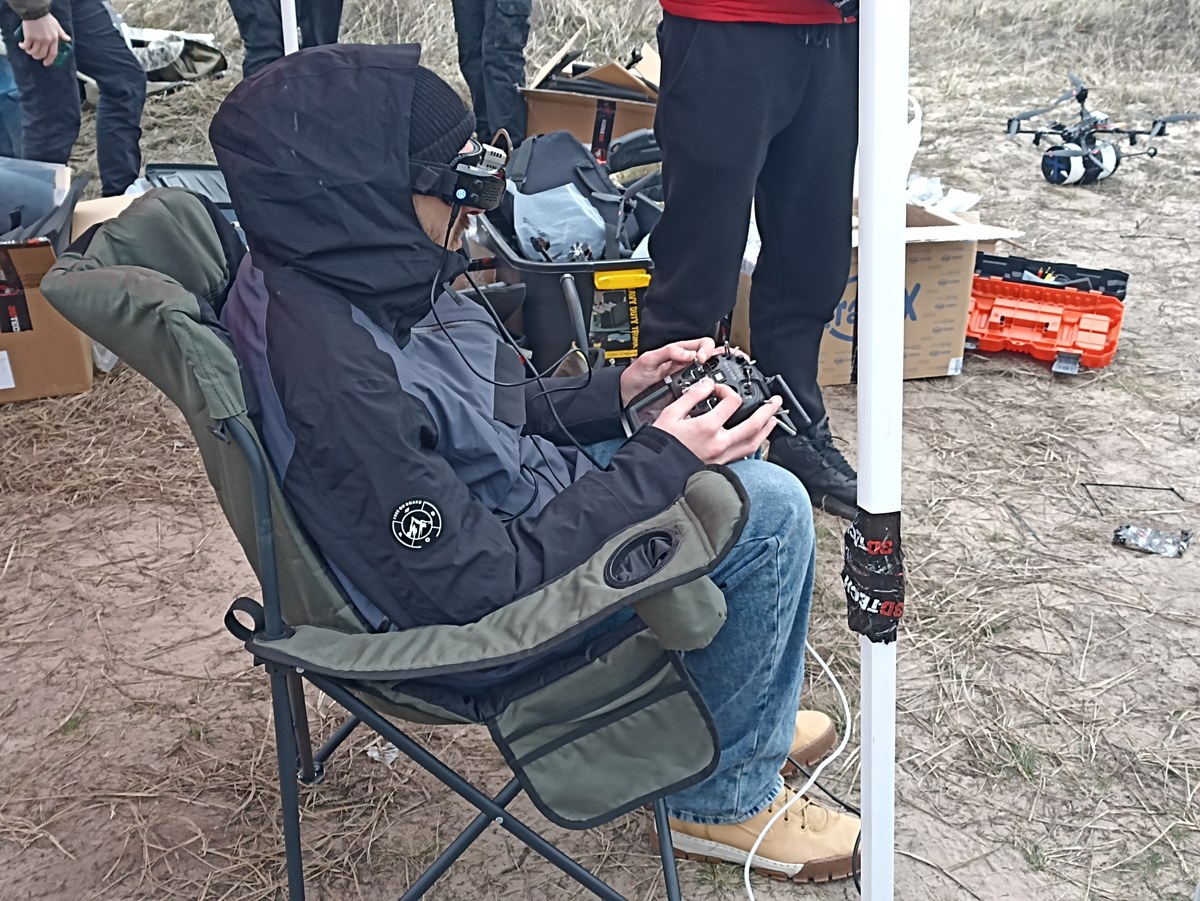
“Fiber optics require more careful work from the pilot. You can’t lay down sharp corners. You have to understand that when the side tilts, the optics can wind up. From our own experience, we can say that the further you move the drone away from you, the greater its maneuverability,” says 3D Tech combat pilot Ilya.
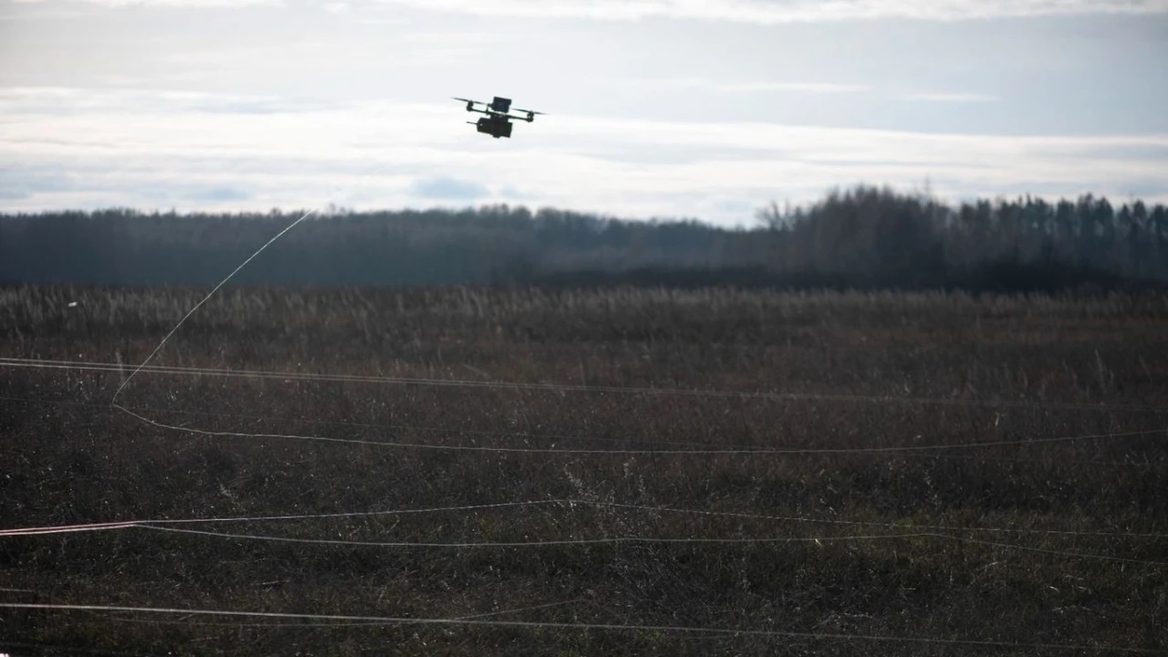
Ilya picks up a 10-inch drone with a coil and heads for a nearby pond. The fiber optic “lays” perfectly on the surface of the water, and the UAV continues to fly close to it. The pilot flips the drone several times in the air and skillfully levels it. Then it accelerates to maximum speed. The company plans to create a fiber optic drone that will fly a distance of 40 km.
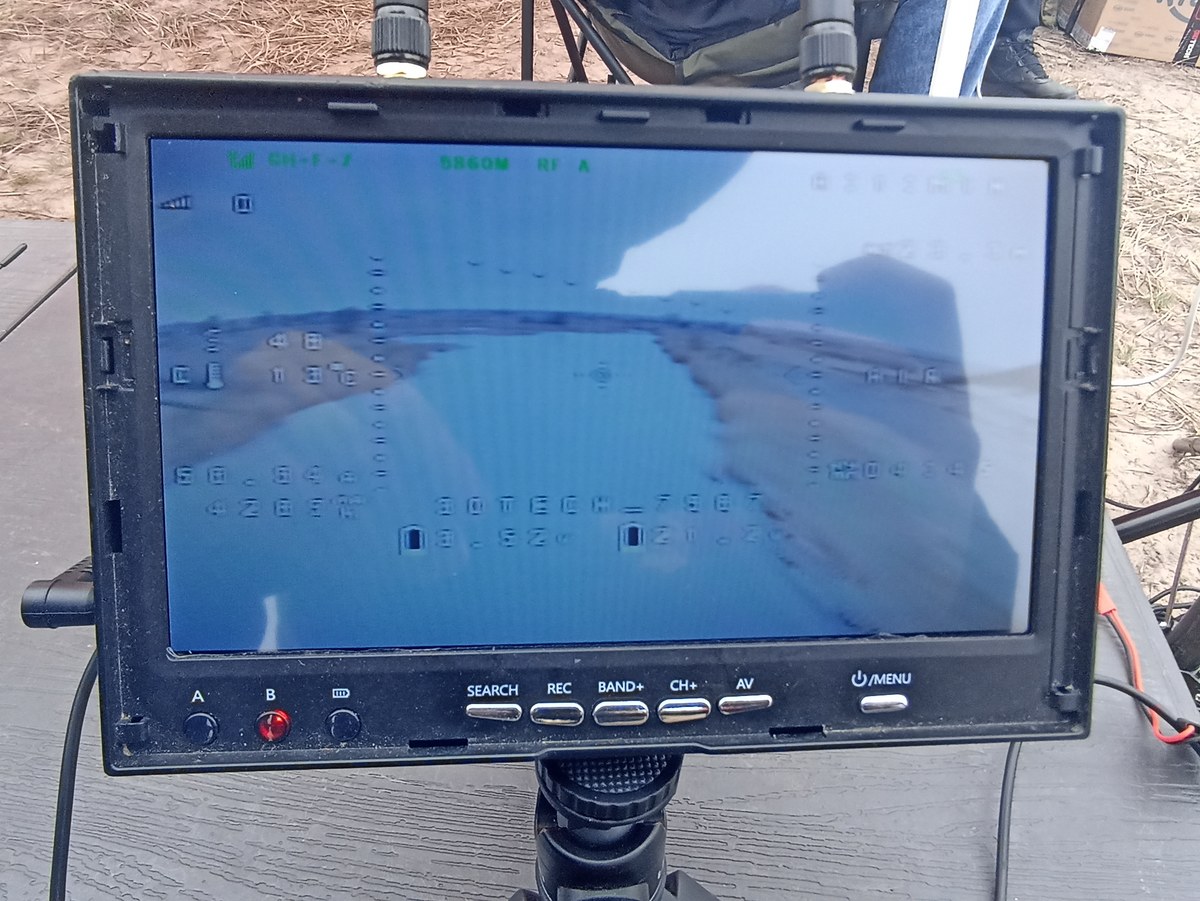
How do you know how much fiber you have left while piloting? There is no direct identification. But, the company notes, experienced pilots can feel the drone's minimal twitching when the last 100 m of fiber remains. This is provided that the copter is perfectly tuned.
“It’s one thing to test a drone at a training ground, it’s quite another to use it on the front. Sometimes you can’t even fly 2 km,” says a soldier from the “Third Assault Brigade” at the training ground, who has more than 1,000 combat missions. He adds that experience allows him to quickly weed out non-working UAV models, of which there are now a lot. Thanks to combat experience, the soldier “weeded out” about 40 unreliable models.
One of the main questions regarding fiber-optic drones today is how to deal with them on the front line (FCL) and in Kherson, where the enemy has already learned to fly them from the Left Bank of the Dnieper. The solution to this is now special turrets with artificial intelligence that will detect drones and shoot them down. The solution is not final and raises many questions: from the number of such robots along the 1000+ km FCL and their price to the training of the AI.
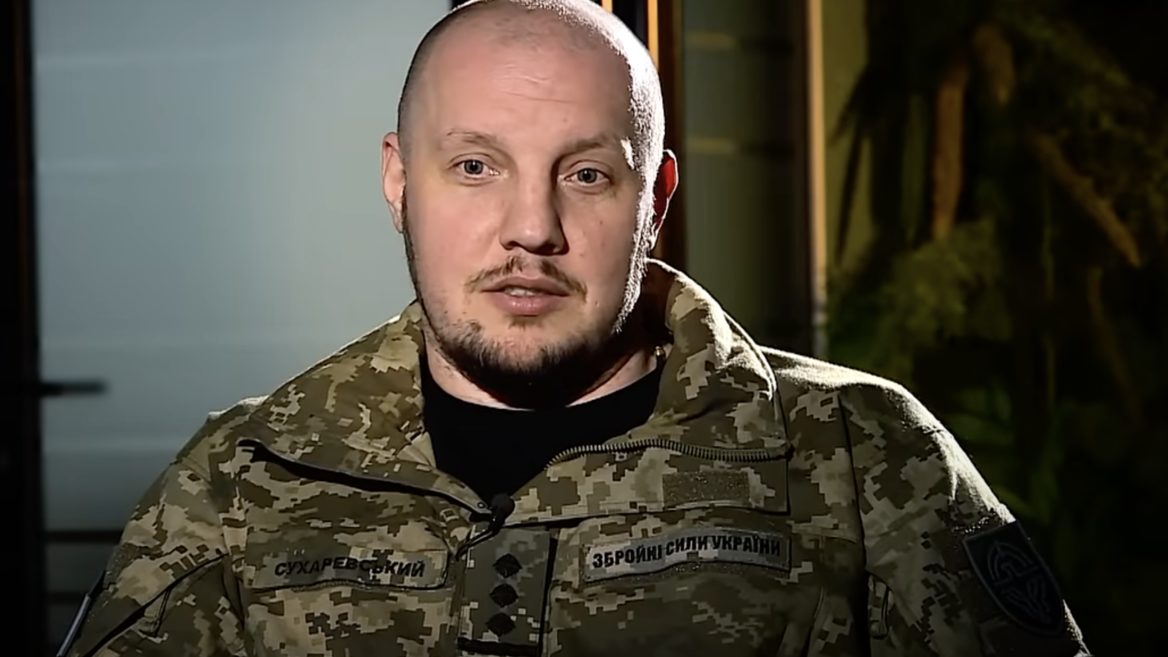
“We must use this technology to our advantage and find an effective means of combating it.” The SBS commander spoke about fiber-optic FPV drones in Ukraine









Маю революційну думку покращення враження дронами ворожих цілей захищенними РЕБ