Марія БровінськаІсторії
16 July 2025, 09:00
2025-07-16
"The army is a discipline and a system of "shelving". As in IT, in the army you are surrounded by constant changes, so there must be an alternative plan." The story of a veteran who decided to radically change his life and became an IT worker
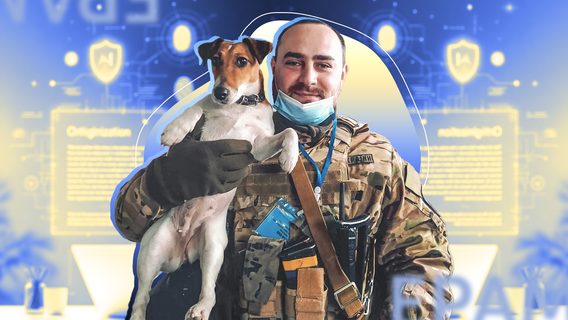
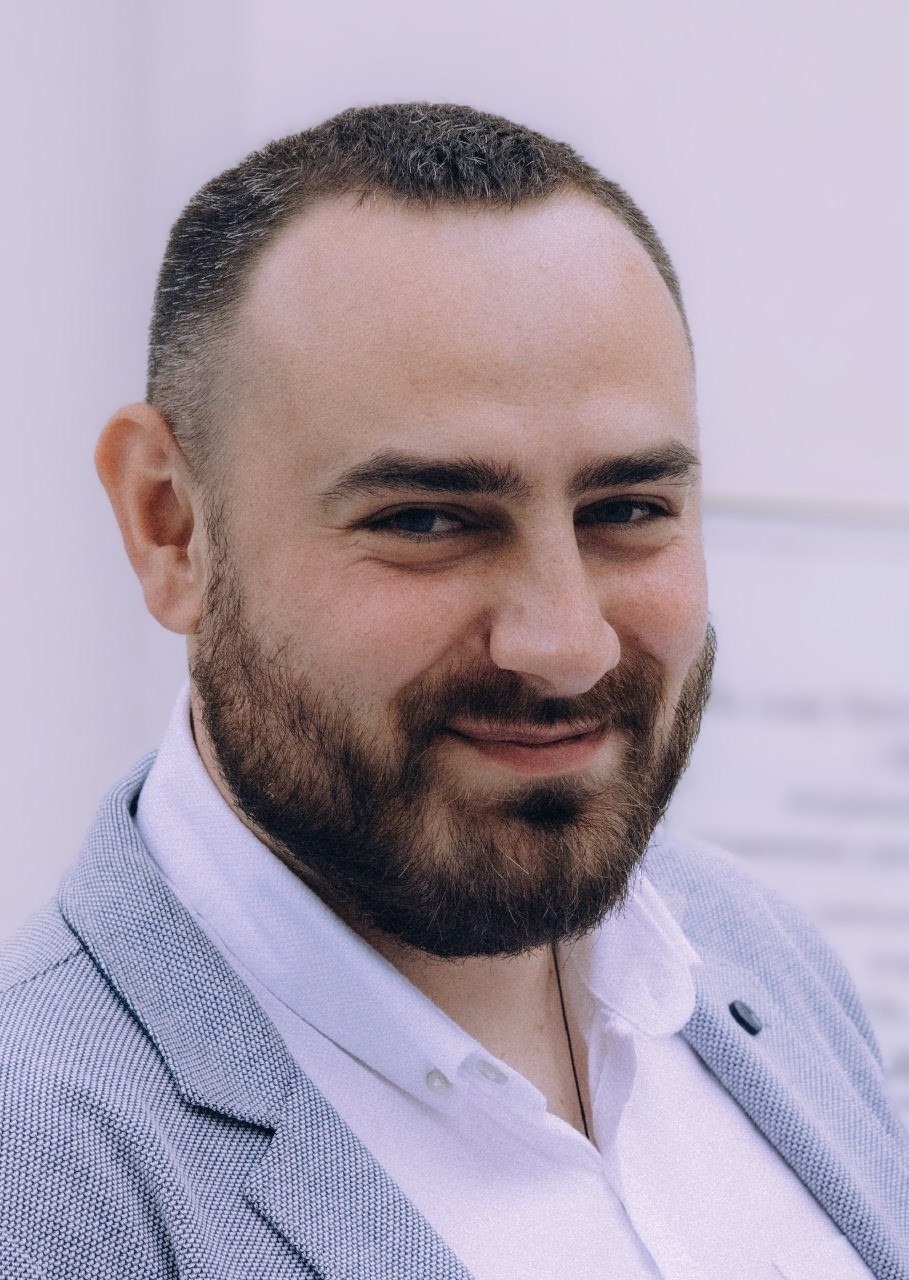
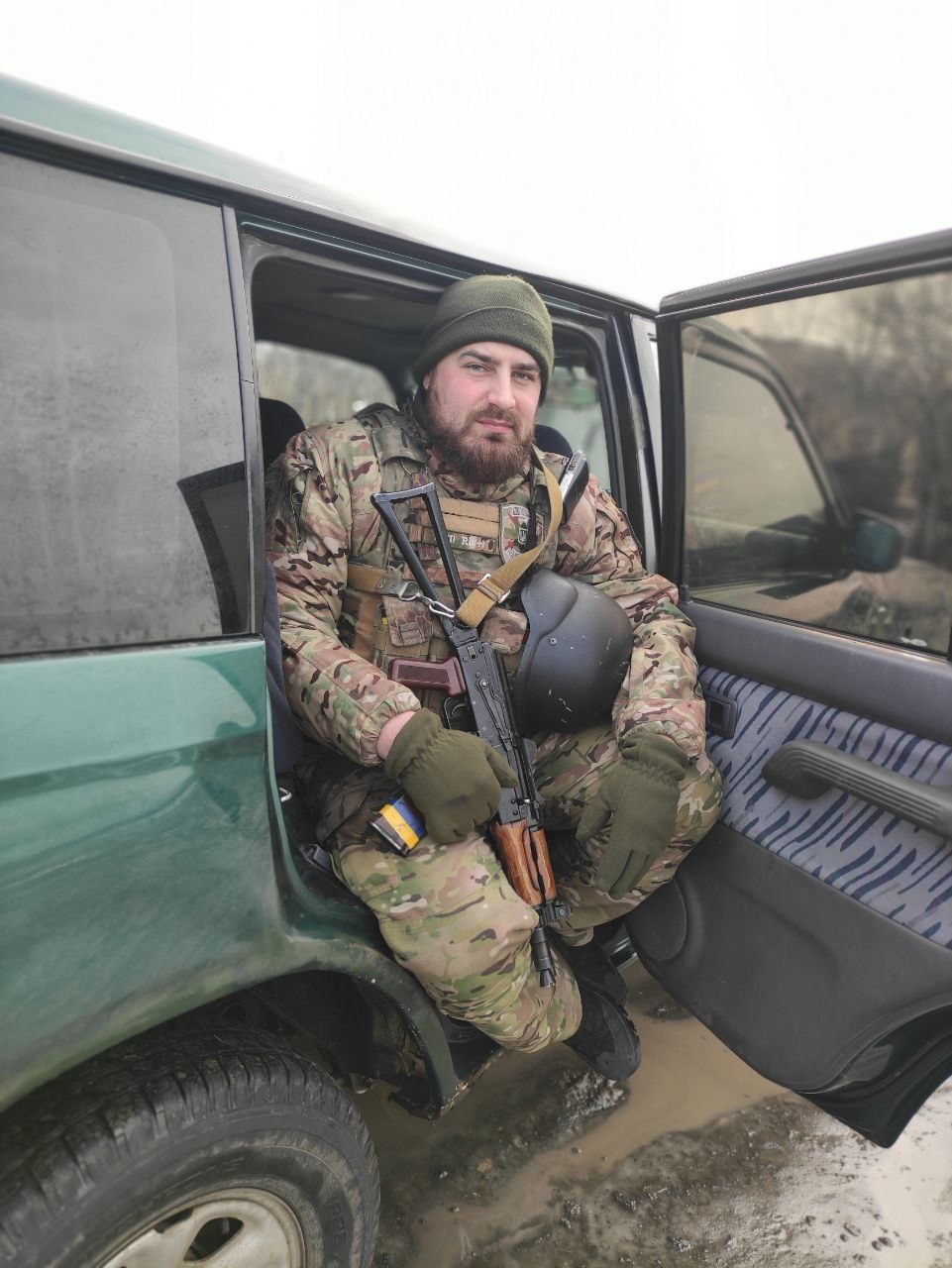
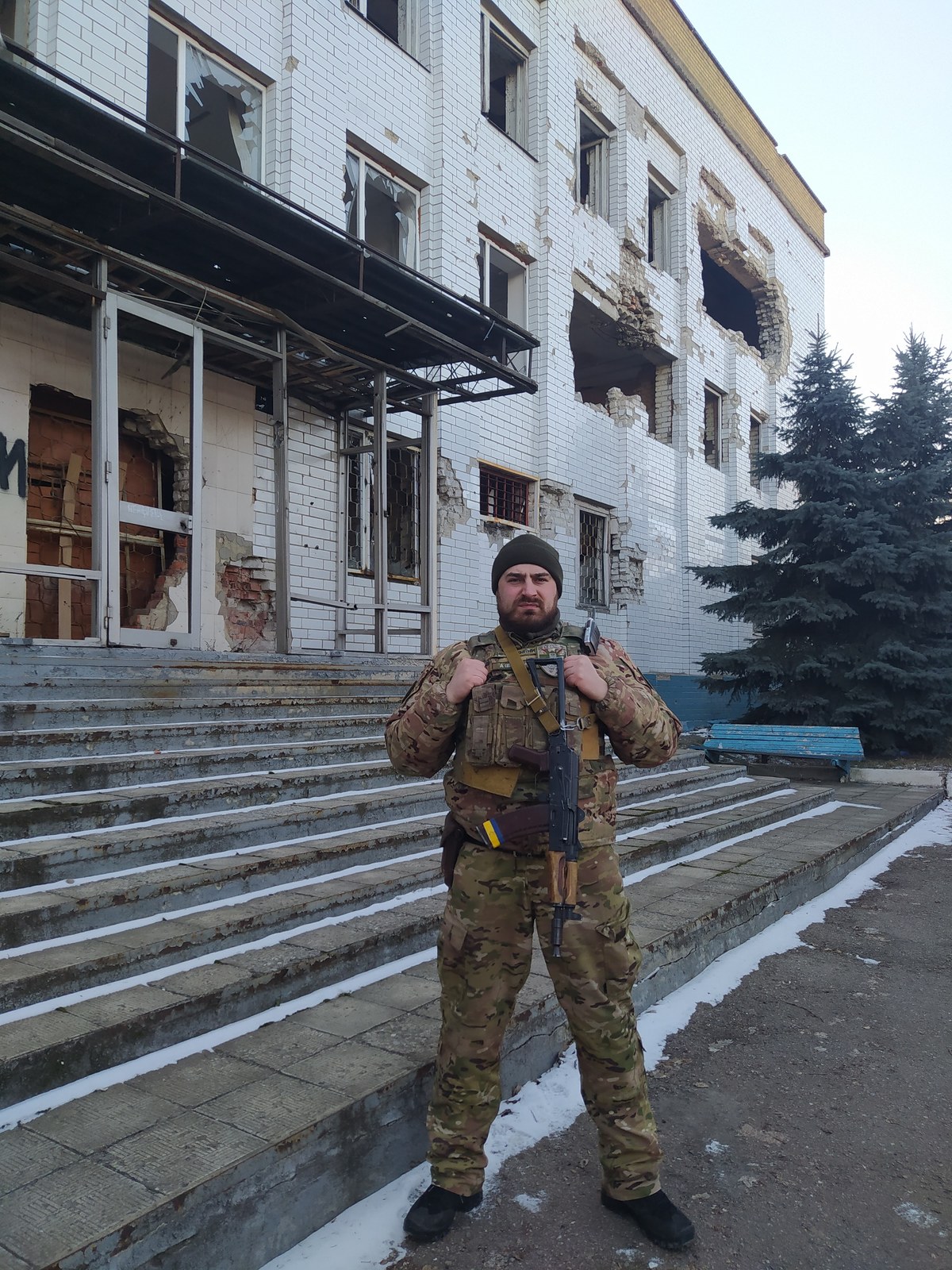
An experienced lawyer and fighter of the special forces unit «Phantom», who participated in the ATO/OJS operations, Volodymyr Kopchuk at one time felt the need for changes and decided to radically change the direction of his activity. The man, who had considerable military experience and a legal background, decided to try his hand at IT. Having learned about the program «IT for Veterans» from EPAM, the man acquired a new profession and immediately received an offer — he joined the company as a business analyst. Volodymyr told dev.ua why he decided to enter IT and whether military experience helps a veteran in solving work tasks.
An experienced lawyer and fighter of the special forces unit «Phantom», who participated in the ATO/OJS operations, Volodymyr Kopchuk at one time felt the need for changes and decided to radically change the direction of his activity. The man, who had considerable military experience and a legal background, decided to try his hand at IT. Having learned about the program «IT for Veterans» from EPAM, the man acquired a new profession and immediately received an offer — he joined the company as a business analyst. Volodymyr told dev.ua why he decided to enter IT and whether military experience helps a veteran in solving work tasks.
Next is Volodymyr’s direct speech.
I wanted change.
I was a good student at school. I can’t say that I had any special abilities for mathematics or related exact disciplines. My first contact with technology happened after the ninth grade, when my parents bought me my first computer for good exam grades. Children of the 90s will probably all understand the emotions and importance of this event in life. After graduating from school, I studied law at the National University of the State Tax Service of Ukraine. I immediately worked as a tax analyst. I participated in the ATO/OJS as part of the special unit «Phantom». Later, I moved to the private sector, where I worked as a lawyer at an enterprise. At some point, I felt that I was at a crossroads. I had to decide: to continue my career in law, get a lawyer’s license, or try something radically new, unlike all my previous experience?
Volodymyr Kopchuk
IT for veterans
I wanted change — I wanted something more. In 2022, a friend advised me to try the beginner course «IT Fundamentals for Ukrainians» from EPAM, which had just appeared. This is a course with basic knowledge of programming. Since then, I have been following all EPAM Campus announcements on social networks. I started looking into the profession of a business analyst, additionally took courses on Udemy, Coursera, learned Python, got acquainted with Amazon Web Service cloud technologies, tried testing. While taking the course «IT Fundamentals for Ukrainians», I gained an understanding of what software development methodologies are, basic programming concepts, what roles there are in IT, what cloud technologies are, etc. So, when I saw a recruitment for the “ IT for Veterans ” program last year, I decided to try it.
The training was not very difficult, as I was already interested in these topics, most of the terminology was familiar to me. The materials were structured and constantly accessible.
When I had free time, I studied, modeled situations, cases, and wrote out questions for Q&A sessions.
The program included weekly meetings with a business analyst who answered all my questions. I didn’t have a strict schedule, but I kept in mind the goal — to learn new things and gain knowledge. I don’t know if the program could have been made simpler and clearer. In my opinion, everything looked great.
English as a challenge
The hardest part was English. Since my previous jobs didn’t require English, it was a challenge for me. I’m currently working on improving it every day and gradually improving my skills. I use all the available opportunities — tutoring, AI, mobile apps, Youtube. I recently joined the ENgin program — every Sunday I spend an hour talking with a buddy from South Africa to improve my spoken English. On the EPAM learning platform, all materials are in English. At the same time, even if your English level is not perfect yet — it’s not critical, it can be improved over time.
Nobody is a genius.
After studying, I chose a topic for my final project. The feedback was mixed — both positive and negative. But I think no one is born a brilliant specialist.
We learn throughout our lives (and from mistakes in particular), gain new experience, and only then do we have a chance to become a better version of ourselves.
At the second stage of specialized training, none of the veteran participants showed a desire to master business analysis. Later, at the laboratory stage, there were 6-7 groups of students. Here I met many good people. Everyone is different — someone is a student and is just starting their professional activities, someone has built a good career, but, like me, is looking for new challenges. This diversity is exciting, because it is always nice to be in the company of proactive and motivated people.
Start from a trainee position
I am currently on a project where the customer is an international educational services company. The team I work in is involved in modernizing the client’s current platforms, integrating with new systems, and improving the user experience. I started here as a trainee, that is, an analyst assistant. This means that I participate in all Scrum ceremonies, help with writing documentation, and planning tasks. The team is international — from Europe, Asia, and North America. At first, it was difficult to get used to different accents and language features, but over time I adapted. In addition, EPAM has courses for understanding dialects in order to work more effectively in teams. My probationary period ended this month.
To get a job or even just the opportunity to prove yourself, you need to work hard every day. Learning is an endless number of iterations until the processed information becomes part of your worldview and thinking. Just reading something is not enough. Practice is what matters. If there is motivation, there are always people who will help you grow professionally. The greatest value of the program for me was the people. I am grateful to my mentor, Ruslan Kazmirchuk. Every week for half a year, he answered absolutely all my questions.
Seize the opportunity for veterans
There are many opportunities for veterans today. I am currently studying for a master’s degree in Global Management at American University (AUK), and it complements my knowledge of business analysis very well. There is a completely different approach to higher education here — more attention to each student, modern methods and motivation that really inspires learning. Starting in the fall, I plan to come to campus more often, because there is a special atmosphere there that helps to concentrate and better absorb the material.
Many of my brothers and friends are at war, some are no longer alive. This realization makes me appreciate every day.
My friend recently returned from captivity, where he spent two years and two months. He says that what he used to call problems — like lack of money or problems in his personal life — now don’t seem like problems at all. There is a reassessment of life values. After his rehabilitation, I plan to tell him about «IT for veterans.» Perhaps he will be interested and there will be more good stories of the recovery of defenders.
Military experience vs IT
Where to start? Define your goal. If you have one, move towards it to the end. As an analyst, I can say that change is the result of hard work that leads from the current state to the desired future. And don’t forget to use your previous experience — it will help make this path more effective.
In my civilian work in tax and legal practice, I needed the skill of communicating with business representatives and clients. Perhaps that is why I chose this profession — to receive information through communication.
My military experience taught me a forward-thinking approach. Just like in IT, in the military you are surrounded by constant change, so you need to have an alternative plan and track cause-and-effect relationships.
And the army is also about discipline and a system of «shelving,» which makes it easier to manage different situations.
As in IT, in the army it is important to have good relationships within the unit. Here you can support each other, and understanding the weaknesses and strengths of each brings maximum efficiency to actions. There must be faith in oneself and capabilities — this is the part that allows a soldier to simply survive.
I have a plan for my career. I participate in meetings of the BA community — it is an environment of active people where you grow. As they say in the army: a bad soldier who does not dream of general’s epaulets. There are actually many interesting things in life. Therefore, I plan, but at the same time I remain flexible.
«For half a year we worked as partisans in the steppes.» The story of a veteran who chose civilian life and entered IT despite a significant number of military offers
«Моя фінансова мета — накопичити $1 000 000, щоб мати пасивний дохід і жити на нього». Як айтішники витрачають гроші та в що інвестують
Зарплата айтішників в Україні — одна з найвищих. І ІТ-галузь під час війни — єдина галузь, яка зростає, попри війну. А айтішники — серед тих, хто найактивніше підтримують армію. Середній місячний донат айтішника становить 10% від зарплати, або $270. dev.ua вирішив розпитати айтішників, куди вони витрачають гроші й у що інвестують під час війни.
Не Патроном єдиним. Айтішник з EPAM шиє військову амуніцію для собак: історія диво-стартапу для чотирилапих захисників України
Максим Лісович, Interior Designer в ЕРАМ Україна, поза роботою допомагає амуніцією українським військовим… собакам. Так, службові пси носять унікальні жилетки та нашийники, мають спеціальні аптечки та турнікети. Чотирилапі в такому «одязі» більш захищені та впізнавані.
За словами Максима, тільки на заході країни нас захищають сотні військових собак. Айтівець допомагає військовим кінологам нести цю службу гідно, забезпечуючи відповідною амуніцією, спеціальними аптечками та турнікетами. Нещодавно він провів три дні поспіль, власноруч відшиваючи нашийники та повідці. А ще два роки тому шити він не вмів узагалі. Ось історія диво-стартапу.
Австралійське задзеркалля. Історія Delivery Director EPAM, який через війну релокувався із сім'єю до Австралії: як адаптуватися та вижити за океаном?
Григорій Клімов — директор з делівері і керівник великої Platform Engineering-практики в EPAM. Понад 10 років він будував свою кар’єру в українському офісі, але війна змусила його з родиною кардинально змінити життя. В березні Григорій з дружиною і трьома дітьми поїхали з рідного Харкова, деякий час провели в ЄС, а згодом — вирушили до Австралії. «Я мріяв жити в цій країні, коли піду на пенсію. Але війна підштовхнула до того, щоб прийняти рішення значно швидше», — каже Григорій.
Ось його історія.
Очільник EPAM Ukraine: «Було б класно мати якісь прозорі, відкриті механізми виїзду за кордон для обмеженої кількості людей»
Керівник EPAM Ukraine Степан Мітіш, який до призначення відповідав за київський та вінницький офіси компанії, дав велике інтерв’ю AIN. В компанії він працює вже 16 років, тобто знає про український IT-аутсорс багато, якщо не все.
dev.ua обрав найцікавіше з розмови.