Хочете будувати кар’єру в Data Science та AI? Vodafone Big Data Lab відкриває новий набір —>
Олександр КузьменкоGadgets
31 March 2025, 16:06
2025-03-31
Vodafone Ukraine is preparing for 5G and even 6G — the company has started connecting base stations via xPON
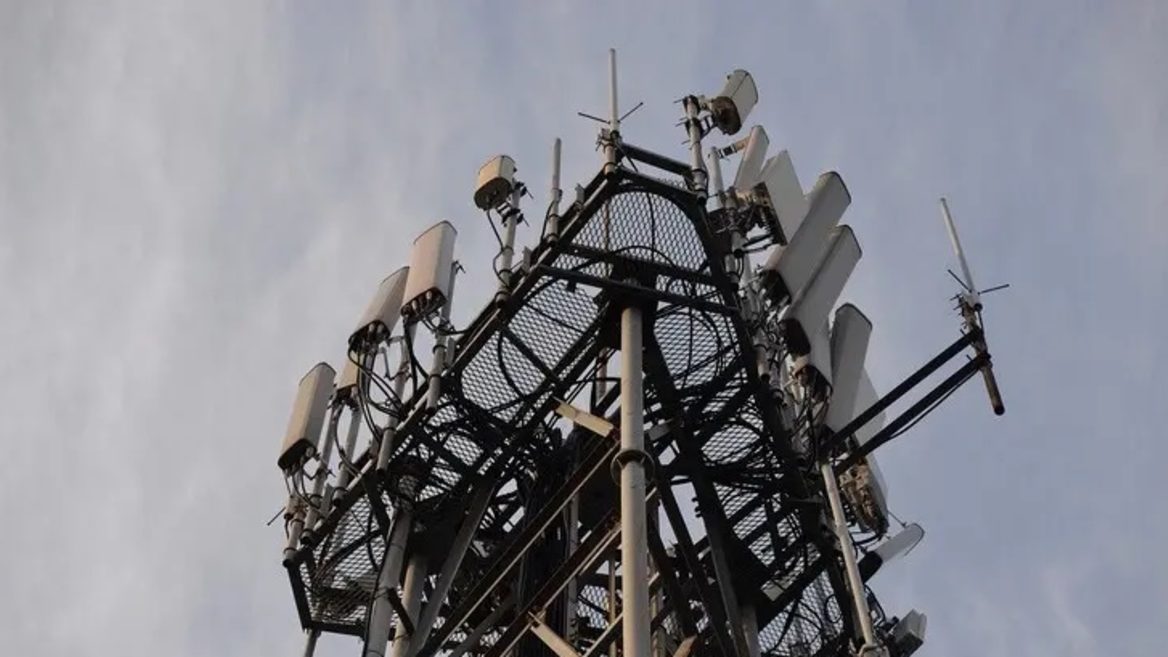
Vodafone has begun connecting mobile base stations via xPON (1/10 Gigabit/s Passive Optical Network) passive optical networks, which will allow for a quick transition to 5G technology, and in the future to 6G. In which Ukrainian cities is the modernization underway?
Vodafone has begun connecting mobile base stations via xPON (1/10 Gigabit/s Passive Optical Network) passive optical networks, which will allow for a quick transition to 5G technology, and in the future to 6G. In which Ukrainian cities is the modernization underway?
As part of the first wave, the company plans to switch 140 sites in Kyiv, Dnipro, Zaporizhia, and Kharkiv from radio relay (RRL) to optical connections. The first 40 have already been successfully converted to optical connections, the company said in a press release.
«The transition to xPON is a strategic decision that allows us not only to improve the quality of mobile communications, but also to create infrastructure for the next communication standards», — said Yevhen Frunza, Technical Director of Vodafone Ukraine.
According to him, the connection upgrade allows for a rapid increase in base station bandwidth and will be needed in the near future when switching to LTE 2600 TDD, as it will ensure stable mobile Internet speeds even with a significant increase in traffic. This is important for densely populated cities where the network load is high.
TDD (Time Division Duplex) technology is a duplex communication technology used in mobile networks to transmit and receive data at different time intervals on the same frequency. It requires high synchronization accuracy for real-time streaming data (video, streams), which is essential for modern services and applications.
The xPON network already supports speeds of 1 Gbps, and in the future, through scaling, it will allow for speeds of 10 Gbps and higher. In this case, it will be enough to upgrade the active equipment without replacing the cable infrastructure.
Such a solution is technologically flexible, Vodafone says, because in the future it will ensure a smooth transition to new generation technologies — 5G and 6G. A significant feature of these technologies is a significant reduction in latency, and xPON allows it to be achieved.
«Users will receive better quality streaming video and VoIP communications even during peak loads — video calls, online games, and streams will be more stable, without interruptions or delays», — the company notes.
Also, optical connection of base stations makes the network more resistant to blackouts, as it requires less alternative power supply. The construction of optical communication channels for base stations is carried out by the national telecom operator Vega, which has been part of the Vodafone Ukraine group since 2021.
Last fall, it was reported that a pilot project to introduce a 5G network would be launched, which would last 2 years. The first city to be tested was Lviv. If the equipment does not affect the work of the military, the project will be scaled up to two more cities.
A team of researchers from the University of Glasgow has previously developed an innovative wireless antenna that combines the properties of metamaterials with sophisticated signal processing, which could help future 6G networks deliver ultra-fast data transmission with high reliability.
Vodafone employees in the UK are having their bonuses cut if they are in the office less than 8 days a month. Will anything change for specialists in Ukraine?