Хочете будувати кар’єру в Data Science та AI? Vodafone Big Data Lab відкриває новий набір —>
Олег ОнопрієнкоІсторії
28 April 2026, 09:03
2026-04-28
"We washed the car for hours, but it still blew." 40 years of the Chernobyl disaster through the eyes of a liquidator driver
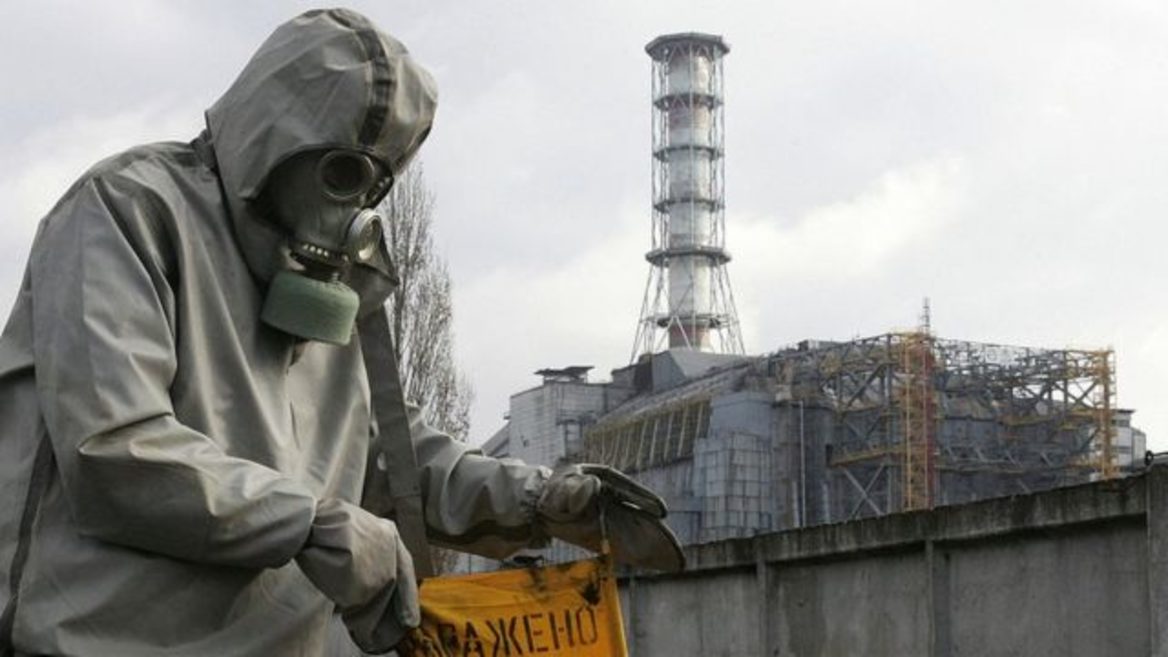
40 years ago, the world’s largest man-made accident occurred at the Chernobyl nuclear power plant. Tens of thousands of people joined the ranks of liquidators to contain the growth of deadly radiation contamination. Today’s story is about Serhiy Mykolayovych, who gave the Zone of Alienation for almost three years, working as a liquidator driver. He saw the first refugees from Pripyat, the incomparable nature of the Zone, hid radioactive equipment under tons of concrete and played music on the piano for his fellow liquidators.
The dev.ua journalist talked to his father, a liquidator, who, despite his age, is an avid gamer, and his favorite game is the cult STALKER series, where he returns to familiar landscapes again and again.
40 years ago, the world’s largest man-made accident occurred at the Chernobyl nuclear power plant. Tens of thousands of people joined the ranks of liquidators to contain the growth of deadly radiation contamination. Today’s story is about Serhiy Mykolayovych, who gave the Zone of Alienation for almost three years, working as a liquidator driver. He saw the first refugees from Pripyat, the incomparable nature of the Zone, hid radioactive equipment under tons of concrete and played music on the piano for his fellow liquidators.
The dev.ua journalist talked to his father, a liquidator, who, despite his age, is an avid gamer, and his favorite game is the cult STALKER series, where he returns to familiar landscapes again and again.
Content
The first days after the accident
At the time of the accident, Serhiy Nikolaevich was 25 years old. He worked at a sanatorium in the village of Lyutizh, located about 70 km from Pripyat. He noticed the first signs of trouble when the sanatorium and local recreation centers began to close to ordinary visitors, and instead they began to bring the first displaced people from Pripyat. People arrived scared, talking about urgent evacuation, where they were allowed to take only documents and money.
SM: I remember how in the first days after the Chernobyl accident, recreation centers near the Kyiv Reservoir began to close en masse. Something incomprehensible was happening, more and more military vehicles appeared on the roads.
Later, the first displaced people began to arrive at our sanatorium. I ask them: «Where are you from?» They answer: «From Chernobyl, from Pripyat.» I say to them: «Guys, what is going on there?» And they wave their hands: «There’s a lot of garbage there… They just threw everyone out onto the streets, loaded them up and took them away.»
They told different stories. There were people who managed to leave in brand new Zaporozhets. They arrive at the checkpoint, where they measure the car with a dosimeter, and it glows, makes a terrible noise. Then the military tell them: «Don’t take your things with you, just your documents. We will check your money for radiation. Now leave the car, get on the bus and they will take you to Kyiv.»
If a car was confiscated due to radiation contamination, the person was given a new one. And then the real wonders of ingenuity began. It happened that someone would come in their Zhiguli or Moskvich for an inspection, they would measure it, and the radiation background was too low to write it off. So do you know what they did? They would turn around, drive back to the zone, climb into the very radioactive swamp, just so that the car would get a sufficient dose. All so that it would be written off and given a new one. But no one thought about the fact that they themselves would also get a generous dose of radiation along with the car.
Sergey initially evacuated his family, his wife, and his two-year-old son to the Moscow region. The decision to become a liquidator was due to domestic needs; Sergey Nikolaevich was building a house and he was critically short of money to complete the construction.
Arrangement and working conditions
Serhiy Mykolayovych was helped to get a job as a liquidator by his friend Taras, who advised him to contact the head of the TPU in Vyshgorod, Vasyl Ivanovich Dzyuba.
SM: In the end, I decided: I have to go and see for myself. But how do you get there? They won’t let you in without a permit. I started asking around, and then I met my friend Taras. He told me how to get a job as a liquidator, and directed me to Vasyl Ivanovich Dzyuba, who led the convoys that went to eliminate the consequences of the accident. Vasyl Ivanovich lived in the same village where we were building a house at the time.
Dzyuba was responsible for distributing cars: who would go to Pripyat, who to Zeleny Mys, and who else. Vasyl Ivanovich first looked at me sternly: «Who are you?» I said: «Serhiy Onoprienko.» It turned out that he knew my father-in-law well, so he treated me humanely and agreed to take me to work.
I asked again: «Do I need to take anything with me?» And he just waved his hand: «Don’t take anything, they’ll give you everything there.» At first he wanted to send me somewhere far away, but I started begging, saying that the house was only half built, we had to somehow put things in order here, I couldn’t go for a long time. He listened, took out a bunch of keys and said: «Okay. Keep the keys, go choose a car.»
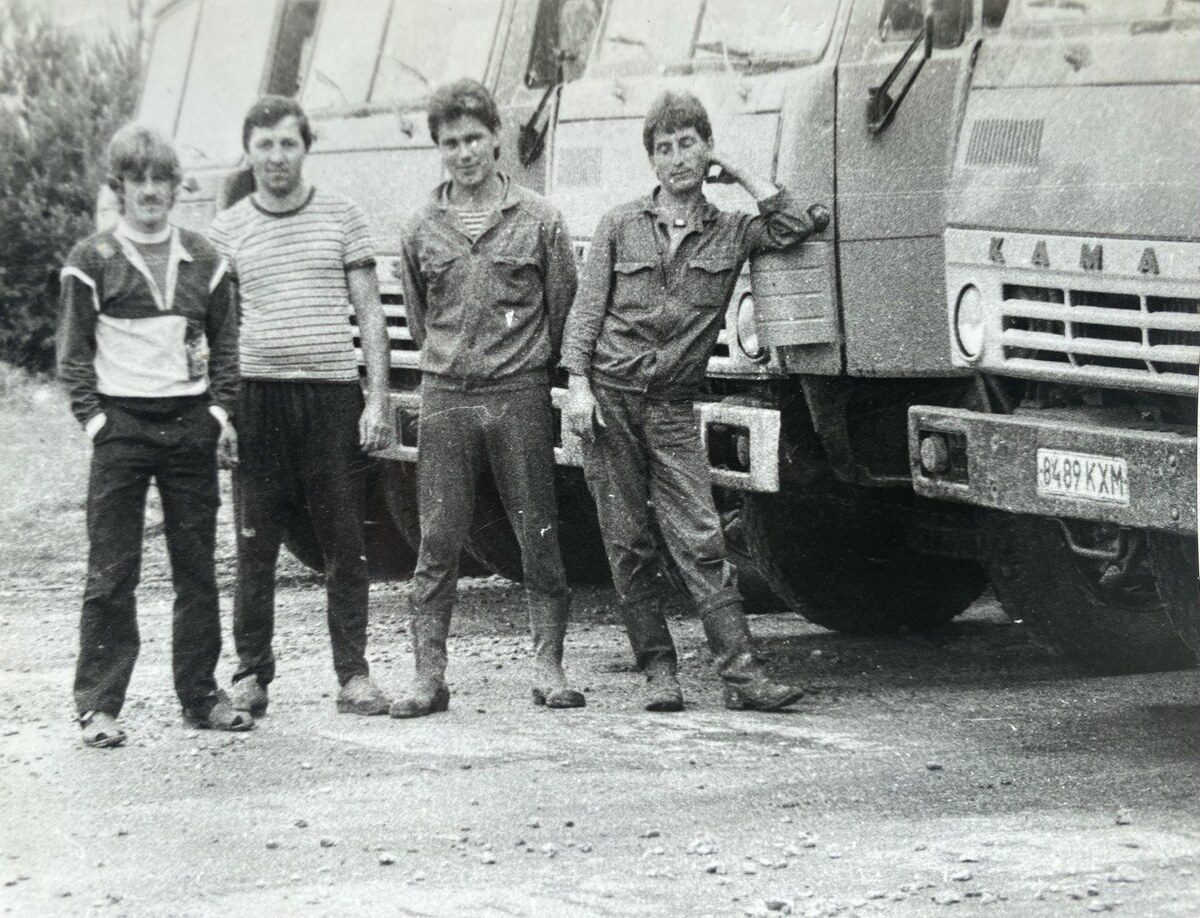
Serhiy Mykolayovych (second from the right), together with other liquidators against the background of liquidator KamAZ trucks.
In Vyshgorod at that time, there were five KamAZ trucks parked in a closed area. «Choose any one,» says Dzyuba. «You will transport concrete from Vyshgorod to Zeleny Mys.» I was a little surprised: «So you said that you would go to Chernobyl itself, to be on duty…» And he cut me off: «I said you would transport it here, period.» I didn’t argue, and so I ended up behind the wheel.
I got the car brand new. The speedometer had only 700 kilometers on it. They were then driven by trains from Russia to Kyiv, and from there they were distributed to Vyshgorod and then to Chernobyl. That’s how my working days began in August 1986.
Cementing the «peaceful atom»
Serhiy Nikolaevich worked mostly night shifts, which paid a lot of money for that time. The flights were exhausting, and once he almost crashed, falling asleep at the wheel from fatigue in front of Ivankov.
SM: The work was clearly organized — you get an outfit and go. Sometimes, they sent me to the «Bridge Detachment». The work did not stop for a minute, we worked both day and night. At first, I worked on the machine alone, and later they put us in pairs: one on the day shift, the other on the night shift. I almost always went out on the night shift. Of course, they paid extra for working in the dark.
In general, my work trip looked like this: in Vyshgorod you load up with concrete, get an instruction — and off you go. They say, for example: «Blow on the Children» and I went. At the checkpoint, the procedure is standard: you enter the zone, quickly unload and immediately leave. That’s how I hung around on the Vyshgorod — Zeleny Mys route for about a month.
They paid a solid 70 or 100 rubles per shift. The money was good, but it was also incredibly tiring. Once, after the second shift, I «turned off» so much that I almost fell asleep at the wheel in front of Ivankov. I almost crashed then. It was very difficult to work at night, my body was simply giving out.
All records were kept on vouchers, stamps and time sheets. It was necessary to get a stamp confirming that you were in the zone. They were issued by a special KRB commission (radiation safety control), which we jokingly called the «KGB» among ourselves. They checked all the documents very meticulously, if the stamp was there and the journey was confirmed, it meant that you were really at the facility, and then they would calculate the allowances depending on the radiation contamination zone.
«Sergiy, they just reported on the Vremya program that there is no health hazard within 30 km of the accident.» — from personal correspondence between Sergiy and his wife. May 15, 1986
Beautiful nature with a depressing atmosphere
Serhiy Nikolaevich recalls how he was struck by the striking contrast between the bustling, noisy life in Chernobyl itself and the absolute, eerie emptiness just a few kilometers away.
SM: I only realized the true scale of what was happening when I first left Vyshgorod for Zeleny Mys. I arrive, and there is just an endless field. And it is all covered with machinery: there are cars, there are people building something, there are people bustling around. Continuous construction.
Then the trips through the Zone began. Kopachi and a few more villages. You would drive, and on both sides of the road there would be a forest, and ordinary houses would be hidden in it. Until they laid asphalt there, there were almost no roads. The houses stand as before, but there is no life in them. The yard is abandoned, the gardens are wild, the grass has grown up to the waist.
We were not forbidden to stop and look, the main thing was not to steal anything. Once I stopped near a yard, thinking: let me go in, I’ll take a look. I opened the door to the house, and from there a terrible stench came. Probably, the potatoes left behind or some kind of food had rotted. I even flinched.
Guard village «Green Cape»
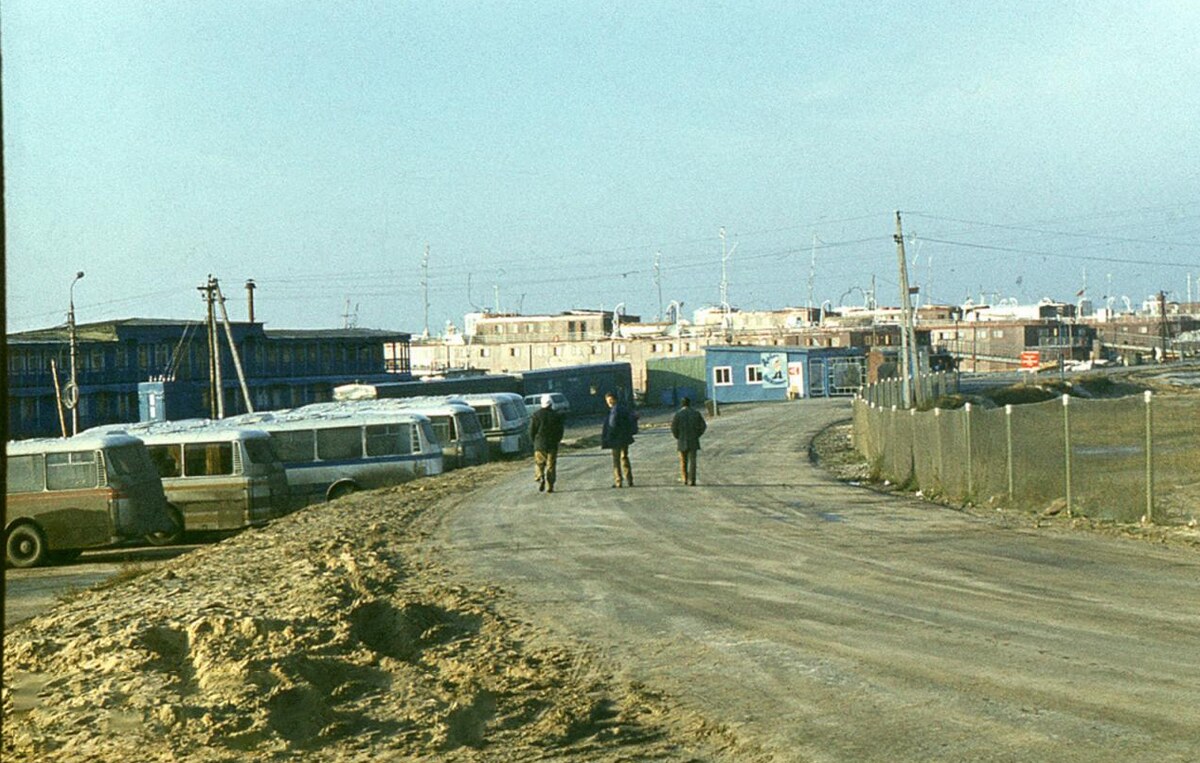
But in Chernobyl itself, life was bustling as if it were Kyiv or Moscow. It was a real island of civilization, the hottest place where work was in full swing. People were walking everywhere, lights were on in the windows, the movement was endless.
But you had to drive away from Chernobyl even five kilometers, either towards Kyiv, or towards Pripyat, or towards Slavutych, and everything seemed to end as if the world were ending. Absolute emptiness and dead villages. The houses are empty — go in and do whatever you want.
But the places there are incredibly beautiful. There are dense forests, rivers, ponds all around. You drive and admire them. In 1987, they began laying asphalt en masse to reduce logistics to the liquidation sites. And imagine: a perfect road, you drive among this magnificent nature, and everything around is dead. Abandoned cars stand, empty yards. And only from time to time will a wild horse jump out of the forest or domestic pigs abandoned by their owners run by.
Safety measures and decontamination
Serhiy Mykolayovych recalls that every morning the liquidators underwent a mandatory medical examination, and special turnstiles were used to control radiation before going to the canteen.
SM: Every morning we had a mandatory medical check-up. The doctor was very strict about it: she examined us carefully, paying attention to every little detail.
And it was there that I saw the dosimetric control turnstiles for the first time in my life. There was a central bus station in Chernobyl — a huge building, like a hangar. Then they turned it into a huge dining room, and to the right of the entrance they set up a sauna. And then they put two wide turnstiles with indicator lights in front of the door.
The procedure was as follows: you walk through this frame, and if you «glow,» meaning you’ve picked up radioactive dust, the turnstile immediately makes a specific sound and starts flashing red alarmingly. At that very moment, the police or military uniform approaches you.
The conversation is short — all the clothes you were wearing are taken off and immediately sent for recycling. I once told my wife: «Somewhere out there, in those cemeteries, my clothes will remain forever.» And you yourself are sent to the sauna to wash yourself. Then you are given a completely new, clean set of uniforms. And until you wash yourself so that the green light on the turnstile finally turns on, you simply will not be allowed into the dining room. And so you will go around in circles: the turnstile rang, you handed in your things, you went to the shower, and again for inspection, until you become «clean.»
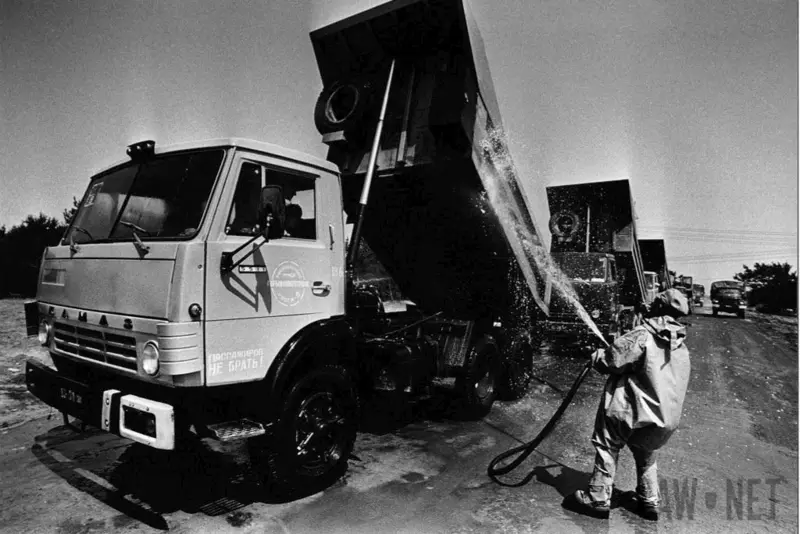
The process of decontamination of machines was even more complicated — the mixers were washed for hours with special powders, but often the radiation «eaten» into the metal so much that the dosimeter continued to ring. During the work, Serhiy Nikolaevich replaced three machines, which were sent for disposal due to high background.
SM: Once they washed my car at a checkpoint for, I think, three hours. I was supposed to go to Vyshgorod, but they wouldn’t let me out of the Zone — the background was too big. They washed it with powder from huge paper bags. They pour the powder in and wash, wash, wash.
I drive up for a checkup, the dosimetrist holds up the device, and then the bell rings! He just waves his hand: «No, you won’t pass. Close the cabin and sit there, or get out.» I sit inside, and they continue washing it. The car is already shining like new. Then I drive the car to a parking lot 50 meters away so that the water can drain. I parked it, slept for an hour, and waited.
Transport disinfection. Photo: Igor Kostin/Law Net
I drive up to the exit again. As soon as I stopped, the tin can rang again! And everything went round in circles: they washed it again, washed it, washed it… When they didn’t let me in for the third time (I stood my ground, drove up, and the device still broke), it became clear that it wouldn’t work. I had to drive it to Vyshgorod, and it was «shining» so much that no chemicals would take it.
Then they give the command: «Go back.» You drive such a car into the garage, and from there it has only one way out — to the cemetery, to be disposed of. Instead, they gave you another one. You could get a replacement right there, in Chernobyl, or go to Vyshgorod and get a completely «zero» one. In total, during my work, I changed as many as three cars in this way, the metal simply absorbed radiation, and it was impossible to wash it.
Life of liquidators
In Chernobyl itself, Serhiy Nikolaevich was allocated a room in an apartment, but he preferred to sleep right in the KAMAZ cab, and there were good reasons for that.
SM: I was allocated housing in Chernobyl itself, at 36 Kirova Street. The room was on the second floor, we were supposed to live there together. I remember the first time I came there. I just went up the stairs to my floor, and everything there was carpeted.
I enter the apartment, and it’s the same: carpet on the left, carpet on the right, carpets on the floor, solid carpets on the walls. It’s obvious that the guys «took care of it» well, dragged it from abandoned apartments. They arranged some solid furniture. They meet me: «Oh, are you our new roommate? Come in, your room is on the right. We share the kitchen and toilet.»
And I stand there, looking at all that «luxury» and thinking: you brought these carpets from the Zone, they absorb dust like a sponge and probably glow wildly from the radiation. And the team there, to be honest, didn’t get along very well. So during the whole month I spent the night there three times out of sheer force. I didn’t even want to go there.
In general, I had a choice, I could go to Zeleny Mys for the night (I also had a bed there), I could go to this apartment on Kirov, but I preferred the cabin of my car. There is enough diesel fuel, turn on the stove and you sleep in warmth and peace.
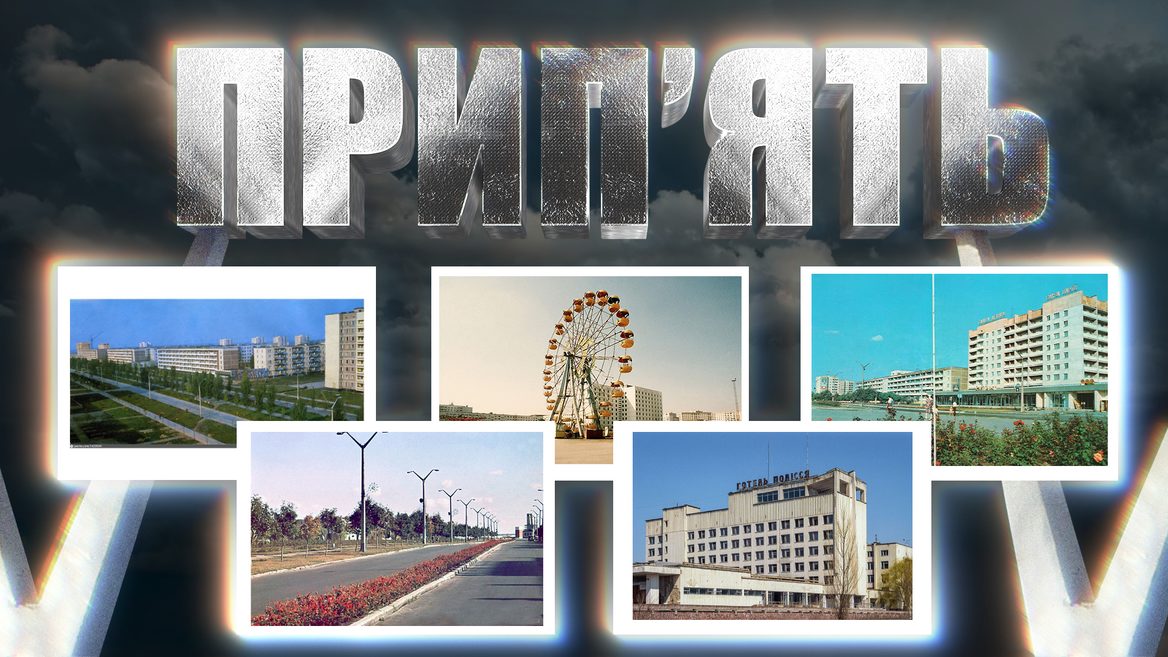
Soviet Atomcity: How Pripyat Became a Showcase of a Utopia of Technological Progress. The Great History of the City on the Anniversary of the Chernobyl Tragedy
But there were some difficulties with this. The police and military patrols strictly monitored that no one slept in cars, and they constantly went around with checks. Once I was going to the apartment, and a patrol stopped me. I showed them my pass and said: «Guys, I live here, registered at Kirova, 36». And they insisted: «No, a pass is not a document. Give me your passport, let’s check your registration». I took out my passport, and again the question came to me: it turned out that I had forgotten to paste a new photo on time at the age of 25 and they fined me 10 rubles.
Therefore, sleeping in the car had to be done wisely. To avoid being bothered by the patrols, I did this: I would arrive directly at the concrete plant and join the loading line with my car. And I would simply tell the other drivers: «Guys, I’m going to sleep, just drive around me.» From the side, it looked as if I wasn’t sleeping, but simply waiting for my turn for concrete. The patrol could see that the car was in the general loading line, and no one had bothered me.
The liquidation process and the «suicide bombers»
During the work to eliminate the consequences of the accident, Serhiy Mykolayovych saw huge equipment burial grounds, where KAMAZs, UAZs, and lawns were buried in quarries and pits. As the liquidator noted, many of these places are now impossible to find, as they were covered with earth, concreted, and deliberately concealed the scale of the accident.
The work directly near the 4th reactor was carried out by the so-called «suicide bombers.» They were paid huge amounts of money, but Serhiy Nikolayevich, having gone on a reconnaissance trip and seen the working conditions, refused to go to them, because it became truly scary.
SM: Somewhere in 1987, we started pouring concrete into the burial grounds. Behind Chernobyl, towards the station itself, they built a whole row of new concrete plants. They were portable: they were assembled, worked on, disassembled and transported. You drive along the highway, and to your right, one after the other, there are probably twenty such plants.
You get a ticket if the route is to the left — that’s it, you’re a «suicide bomber.» This meant that you were being sent to the cemeteries or somewhere else in the very depths of hell.
I drive up there, and the territory is fenced off with barbed wire, everything is strict. Huge, deep pits have been dug, where they dumped all the contaminated equipment one by one. I look, and there are brand new KamAZs, GAZ-51s, and UAZs with their hoods open. We poured concrete into these pits for the equipment.
There were other flights to the Chernobyl nuclear power plant, for reloading. You arrive at the point, and there is another KamAZ waiting for you. I poured my concrete into his mixer, and he drove on directly to the reactor, to build the Sarcophagus. These cars were no longer allowed to go beyond that zone, they were «suicide» cars. They didn’t even have regular license plates in front and behind. The numbers were painted in huge numbers right on the roof of the cabin and on the sides of the doors.
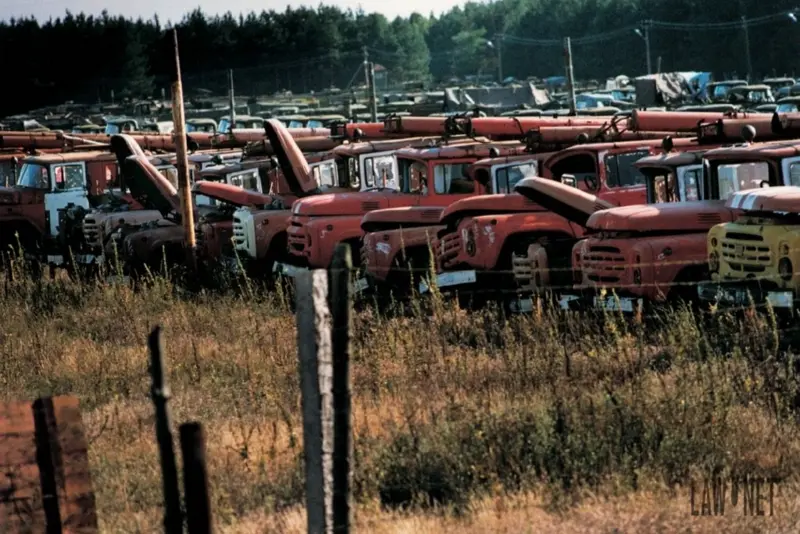
One of the equipment graveyards. Photo: Igor Kostin/Law Net
Once I asked a driver: «Can I drive with you, take a look?» We went. It was there that I first saw the so-called «geese» — special concrete pumps. The machine drives up, extends a long boom and pours concrete directly from above, from a great height.
To be honest, I once thought about transferring to this job, to the «suicide squads». The salary there was astronomical, five times higher than ours. They paid over a thousand rubles a month (for comparison, a brand-new «Java» motorcycle cost 1,200 rubles at the time).
I sat down with Yura, my fellow villager (he was the one who was carrying metal there), and we went to «reconnaissance», to get settled. Thanks to the passes, we got through, found the right guys. Yura knew someone there, so we started talking. The guys said: «Well, see for yourself, the work is like this…».
But as soon as I looked around and saw with my own eyes what was happening there, I suddenly felt terrible. I turned to my friend and said: «No, Yura. I’m going back.» I never dared to exchange my health for that money.
The road to Slavutych
In December 1986, Serhiy Mykolayovych was sent to build the city of Slavutych near the village of Nedanchychi in severe frost. At first, they spent the night near the school, where they were covered in snow so much that the car doors could not be opened, and the road had to be dug with special military equipment.
SM: We were constantly thrown from place to place. We kept moving back and forth until Vasyl Ivanovich, our boss, announced: «Guys, a new city called Slavutych is being built, go there.»
I remember our first trip to the construction site in Slavutych well. There was no direct bridge at that time, so we had to take a detour. We left after lunch. The frost was terrible then, it reached minus 35. My hands were freezing so much that it’s scary to remember it now, but there was no snow at first. But as soon as we started driving towards Chernihiv — how it rained! It rained and rained, you couldn’t see a white world.
Just before Chernihiv, we turned left to the village of Nedanchychi. The road there is narrow, it is almost impossible for two cars to pass each other, while our «mixers» are wide. We drive, and the snowfall is getting heavier, completely sweeping away the road. We realize that we need to stop somewhere for the night. Suddenly we see a school on the right. We drove all four cars there. Taras, my partner, went to the guard to make arrangements. He returns and says: «Everything is fine. The guard said: you are liquidators, you are doing the right thing — rest.» We ate right in the cabins and went to bed.
I wake up in the morning, look out the window, and there is a solid white wall. I can’t see anything. We were so deep in sleep that the snow was above the doors of the KamAZ. I started the engine, warmed it up, but I can’t open the door because I’m afraid of breaking the layer of snow that has piled up. I had to get out and wave my shovels around a lot to somehow dig myself out.
With grief in our hearts, we set off on the highway. We stopped and that was it. There was just a mountain of snow ahead, no road, no way to go. There were no mobile phones then, no communication. And we were supposed to be at the site in Nedanchychy that day. We stood there for half a day, scurrying back and forth, but what can you do against the elements? We decided to wait.
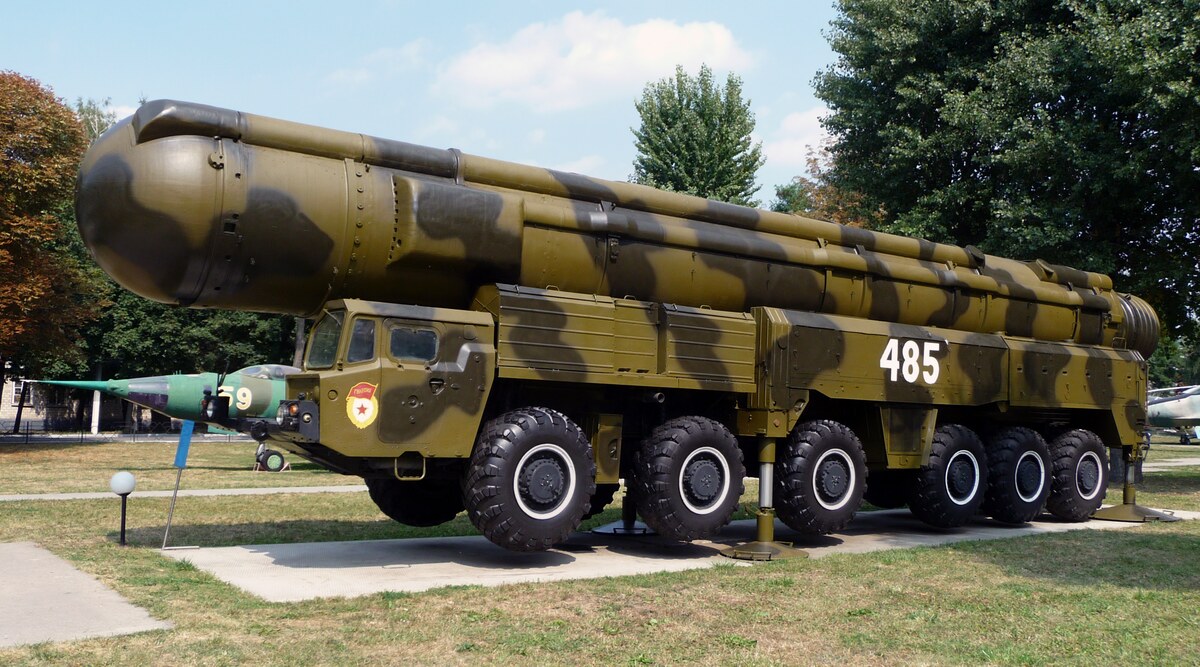
Suddenly we hear a terrible rumble. The ground trembles! We look and see a «hurricane» flying by — a huge military ballistic missile tractor with two cabins on the sides. A familiar guy is driving. It turns out that in Vyshgorod they realized that our column was stuck somewhere in the snow and had disappeared. So they sent this machine to rescue us.
Soviet mobile ground-based missile system RSD-10, In service: 1976–1988
This «hurricane» even without a bucket, just with its mass, like a tank, was making a way for us. It goes ahead, pushing the snow aside, forming a real tunnel with towering white walls on the sides, and we, four cars, are pulling behind it. That’s how it brought us to Nedanchichi. Then the driver says: «That’s it, I’ve driven on, I still have others to save,» and rushes his multi-wheeled monster through the snowdrifts.
That’s how our work in Slavutych began. We were transporting concrete from Chernihiv to Nedanchych. Once we arrived to unload, we poured the solution into a huge bucket-bucket. And then one of the local workers secretly told us that this bucket was brought here directly from the first and third compartments of the fourth reactor.
Classical music amidst radioactive snow
Temporary housing for the builders of Slavutych and the liquidators was provided by passenger steamers moored to the shore. On one of these ships, in the library hall, there was a white grand piano. Since Serhiy Nikolaevich had a musical education (he graduated from the Glier Academy), he sat down to play the instrument.
SM: When we finally reached the site where Slavutych was to be built, I was simply blown away: there were about 20 huge passenger ships parked near the shore. All those cruise liners that once took tourists down the Dnieper River have now been herded here and turned into floating dormitories for liquidators. It’s bitterly cold outside, but life is bustling on the ships: people are living, there’s electricity, and it’s warm. It would seem that the situation is a mess, but everything was arranged sensibly. The ship’s captain offered a place in the hold for four, where we settled down.
Once my partner Taras says: «I’ll go and find out where the buffet or dining room is, we need to eat something.» He returns, intrigued: «Come on, let’s go, I’ll show you something.» We go in, and there’s this spacious glassed-in terrace — it’s a cruise liner after all. They’ve turned it into a rest room like a library: there are books, some of the workers are reading, some are just taking a nap after a hard shift. And in the middle of this hall stands a luxurious white German grand piano.
There is one person who is waiting for the game even more than me — my father. He is a true Chernobyl veteran, he worked for 3 years as a liquidator of the consequences of the Chernobyl accident. While filling the cemeteries in the ChZV, he passed the state exam for the conductor of the orchestra in Glier. A true legend pic.twitter.com/loGuK81rCf
Taras pushes me: «Come on, look at something!» I wave it away: «What are you talking about, people sleep after their shift!» I went over, opened the lid, looked at those keys… But my hands were just numb from the icy concrete and the bitter cold, my skin was cracked, my nails were torn off.
But I did sit down and quietly started playing the keys. At first, carefully, so as not to wake anyone up, and then somehow I got carried away, drifted off, and forgot about everything in the world. When I finished playing and turned around, I couldn’t believe my eyes. The entire hall was completely packed with people! People were running from all the cabins. Someone shouted: «Let’s do more!», and we all started singing together… It was something incredible.
We lived on that ship for a week. And since then it has become a tradition: as soon as we arrive from work, we drive the cars, and the men are already looking for us: «Where is Seryoga? Call Seryoga to the piano!» And I sat down again and played them everything I could remember.
After the completion of the work on the liquidation of the consequences of the Chernobyl accident in 1988, Serhiy Mykolayovych worked for some time as a concrete mixer driver at the South Ukrainian Nuclear Power Plant. He lived his entire life in the 4th radiation contamination zone, only 50 km from the exclusion zone in the village of Demydiv, where our editorial office, by the way, was able to obtain the STALKER 2 almanac .
Unfortunately, Serhiy Nikolaevich’s musical career did not work out. The Chernobyl disaster decimated the economy of the USSR, so he spent the difficult times of the 1990s working as a laborer, and then worked as a driver of both the already familiar concrete mixers and large imported dump trucks.
Serhiy Nikolaevich is now 66 years old. He is a passionate gamer with over 20 years of experience. A special place in his life is occupied by the STALKER game series, which he has played many times, and in the second part of the game he has already spent over 170 hours exploring a virtual version of the places he saw with his own eyes in reality.
Today is the Day of Remembrance of the Chernobyl disaster. It almost happened again in 2022 due to the negligence of the occupiers. Let’s remember these events
«At first I worked for food at a no-name company.» How a builder, masseur, director, Chernobyl NPP engineer, and advertiser went into game development and don’t regret it
Soviet Atomcity: How Pripyat Became a Showcase of a Utopia of Technological Progress. The Great History of the City on the Anniversary of the Chernobyl Tragedy
Фейк про скасування релізу S.T.A.L.K.E.R. 2 у випадку нападу РФ на Україну підняв хайп в американському Twitter. Що пишуть користувачі
Фейкова новина про те, що через ймовірне вторгнення РФ в Україну продовження гри S. T. A. L. K. E. R. 2, розробленої українською геймстудією GSC Game World, може не вийти, викликала хайп в американському сегменті Twitter.
dev.ua поскролив стрічку мікроблогу і вибрав найцікавіші реакції.
«Ефект Cyberpunk 2077». S. T. A. L. K. E. R. 2, Elden Ring та інші очікувані ігри, реліз яких перенесли
Мало приємного, коли розробники переносять релізи ігор, яких геймери і так дуже довго чекали. Найчастіше відстрочку беруть, щоб «відполірувати» гру й пофіксити баги. Так було і з Cyberpunk 2077, який переносили неодноразово, що дуже дратувало користувачів, і з другою частиною Half-Life, і третім «Відьмаком». Врешті-решт, ці ігри отримали великий успіх.