Марія БровінськаWork
20 October 2025, 08:20
2025-10-20
How to find a job in the age of AI: advice from a Stanford professor
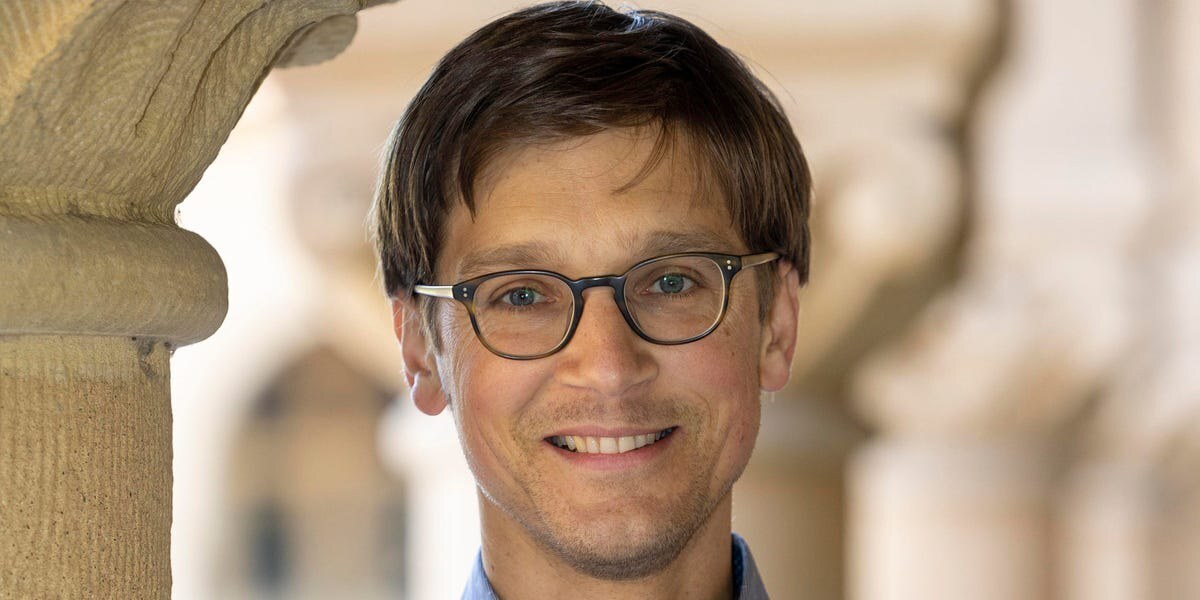
Job seekers in the field of artificial intelligence should create real projects using publicly available data sets, said Stanford University professor Jure Leskovec. He emphasized that adaptability and curiosity are critical as artificial intelligence develops rapidly.
Job seekers in the field of artificial intelligence should create real projects using publicly available data sets, said Stanford University professor Jure Leskovec. He emphasized that adaptability and curiosity are critical as artificial intelligence develops rapidly.
Here are some key tips from a Stanford University computer science professor and co-founder of Kumo, a company that develops artificial intelligence tools to predict business outcomes based on company data, which he shared with Business Insider .
If you want to work in AI, you need to prove that you can do the job. Build real projects using public datasets, deploy demos, publish your work on GitHub, or blog about it. Participating in hackathons is a great way to demonstrate initiative and teamwork in a short amount of time. It’s concrete proof of your capabilities. Even if you fail, you show that you’re curious and proactive. After your second or third project or hackathon, you’ll gain valuable experience.
Advice from a Stanford professor
Curiosity and flexibility matter
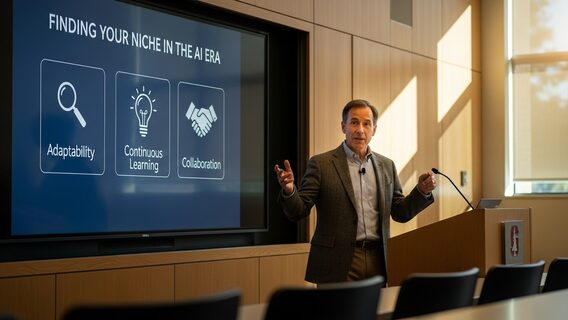
The second recommendation is to show adaptability, meaning that you are someone who is always experimenting with new tools and learning quickly. This is extremely important, as artificial intelligence is developing at a rate that surprises even those of us who work in this field every day.
The best candidates have independently mastered frameworks such as PyTorch, JAX, or LLM tools, and they stay up to date on areas such as GenAI, multimodal models, diffusion, and reinforcement learning.
Curiosity and flexibility are more important than a fixed skill set, as the skills that are in demand today may look completely different tomorrow.
A prestigious degree or diploma may make your application stand out, but it doesn’t guarantee a job. Interviews can tell you whether a candidate is simply trying to fit new ideas into what they learned in school or if they are truly immersed in something new.
There is no clear manual for artificial intelligence. It is being written right now.
Sharpen your thinking
It may seem cliché to say «think outside the box,» but it’s more important now than ever. Who knows? Your idea today could become the standard tomorrow. Leskovets advises honing your thinking by questioning assumptions, trying to solve problems without using familiar tools, and consciously immersing yourself in new areas.
It’s worth practicing coming up with multiple answers to a problem, even if some of them seem impractical at first. Over time, these habits will teach you to see opportunities that others don’t. One last piece of advice: don’t forget to stay human.
Technical skills aren’t everything
«I look for people who can communicate clearly, work well in a team, and carefully consider the ethical and social implications of what they create,» says Leskovets. Collaboration, empathy, and awareness of biases are as important as programming skills.
«Чи є у мене талант, якщо комп’ютер може імітувати мене?». Штучний інтелект пише книги авторам Amazon Kindle. The Verge поспілкувався з авторами та виявив багато цікавого
Письменники-романісти використовують штучний інтелект для створення своїх творів. Видання про технології The Verge поспілкувалося з письменницею Дженніфер Лепп, яка випускає нову книгу кожні дев’ять тижнів, й дізналося про те, як працює штучний інтелект для написання романів. Наводимо адаптований переклад статті.
Have important news to share? Message our Telegram bot
Key events and useful links in our Telegram channel