Хочете будувати кар’єру в Data Science та AI? Vodafone Big Data Lab відкриває новий набір —>
Оксана СтепураІсторії
8 November 2026, 11:13
2026-11-08
10,000 fake documents, clients from North Korea and FBI arrest. Ukrainian told how his AI service OnlyFake worked
Ukrainian Yuriy Nazarenko, who created the AI-based document forgery service OnlyFake, has for the first time detailed how he developed his illegal business, helped bypass identity checks on crypto exchanges, and even attracted the attention of the UN through clients from North Korea. After his release and deportation, the man returned to Ukraine, but, according to him, he escaped from military service and now lives in Thailand.
Ukrainian Yuriy Nazarenko, who created the AI-based document forgery service OnlyFake, has for the first time detailed how he developed his illegal business, helped bypass identity checks on crypto exchanges, and even attracted the attention of the UN through clients from North Korea. After his release and deportation, the man returned to Ukraine, but, according to him, he escaped from military service and now lives in Thailand.
Nazarenko spoke about this in an interview with 404 Media.
It all started with Photoshop. Nazarenko learned to use the graphics editor while creating images for his YouTube channel about video games. It later turned out that these skills could bring in money, as there were people on the Internet willing to pay for fake documents.
At first, he did everything manually. It could take a whole week to make one convincing fake passport. But the number of orders increased, so Nazarenko decided to automate the work. He hired programmers and designers. Instead of correspondence with each customer, a website appeared: the client filled out a form, uploaded a photo, specified the necessary data, and received a ready-made document.
Later, AI was brought into the mix. The team purchased scans of real documents from different countries, collected a database of samples, and improved the algorithms.
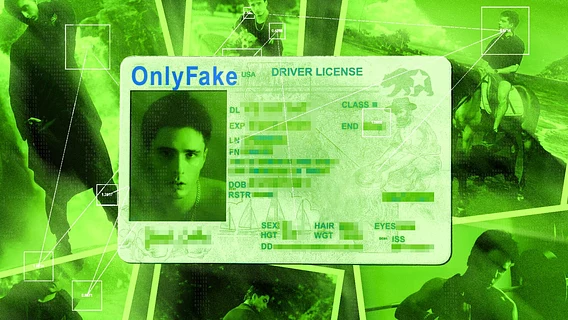
OnlyFake learned how to create fake passports and driver's licenses, and even photos of these documents. So a fake passport could look as if the owner had placed it on a couch or table and taken a photo.
OnlyFake even introduced pricing. For $99, you could get 10 documents, and the most expensive package, for $1,500, included personal support. According to the US Department of Justice, at least 10,000 fake documents were created through OnlyFake.
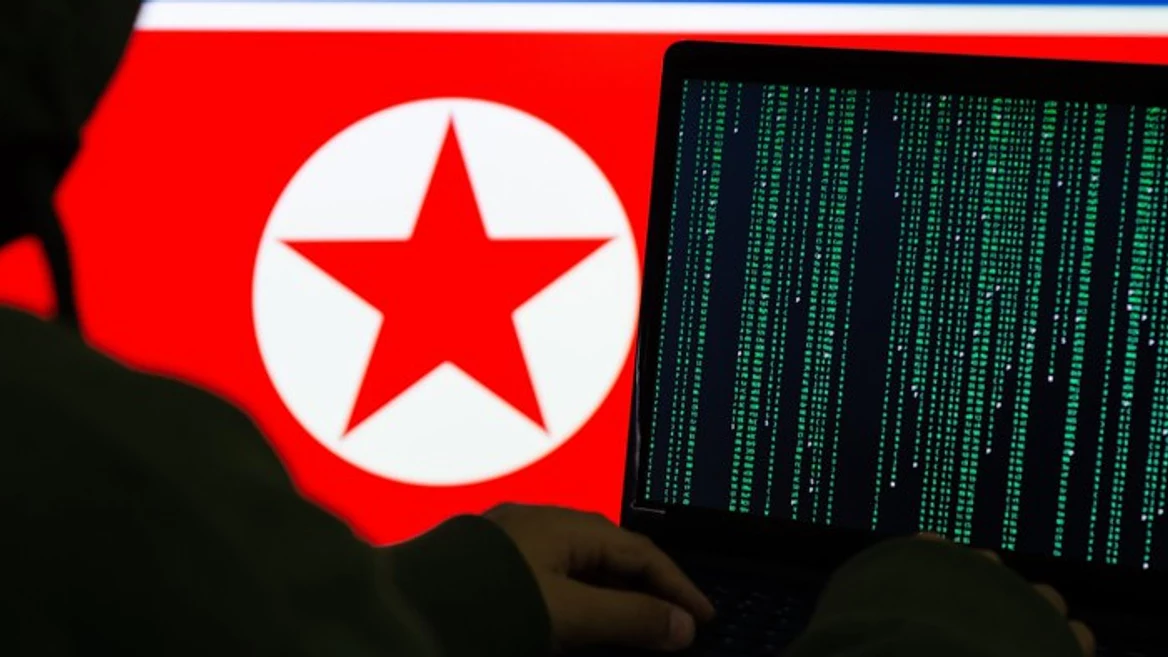
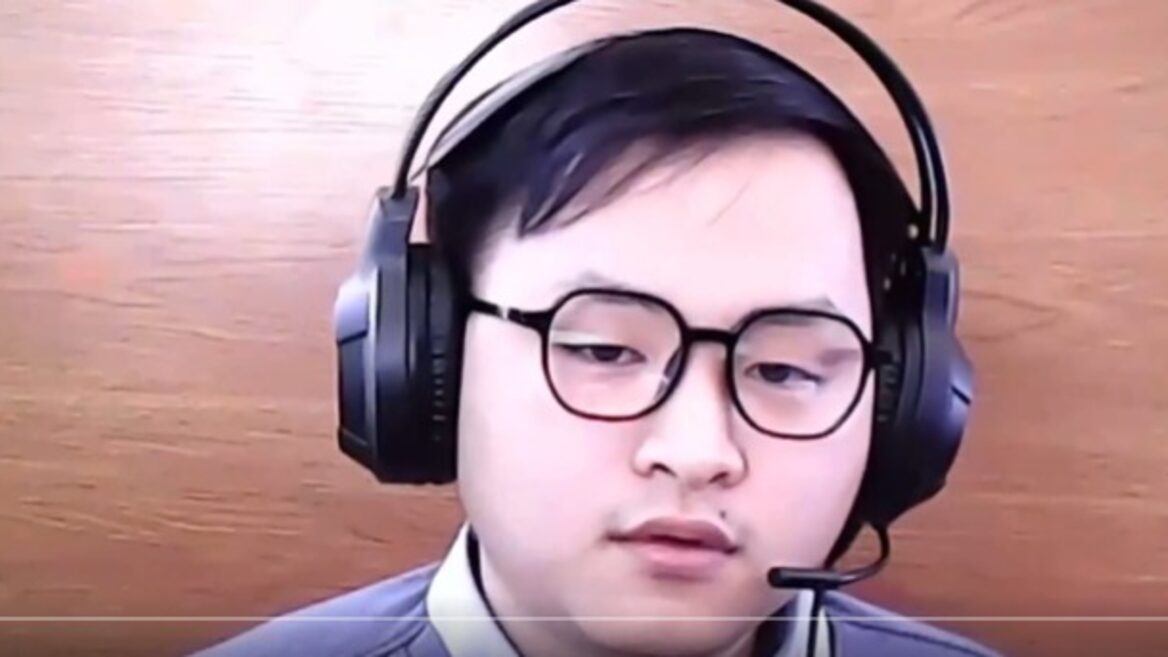
In February 2024, Nazarenko received an unexpected letter from the UN. It turned out that OnlyFake was being used by IT specialists from North Korea. They were creating fake documents to impersonate other people and get remote work in American companies. The UN demanded information about such clients and the documents they created. However, Nazarenko refused to cooperate.
Meanwhile, American law enforcement agencies have also taken notice of OnlyFake. An undercover FBI agent ordered several fake American documents through the service. In addition, the support team explained to him how to use them to bypass identity verification on crypto exchanges.
Law enforcement officers were helped to expose Nazarenko by his own carelessness: he transferred money from illegal business to a crypto exchange account registered under his real name.
In June 2025, Nazarenko flew to Romania with his girlfriend to celebrate a friend's birthday. However, instead of a holiday, he was arrested. Three months later, the Ukrainian was extradited to the United States. There, he pleaded guilty to conspiracy to commit document fraud. He faced up to 15 years in prison. However, on June 26, 2026, the court imposed a sentence in the form of time already served - about a year in custody.
And after the trial, Nazarenko was detained by the American immigration service ICE. In August, he was deported to Poland, from where he returned to Ukraine. Nazarenko claims that upon his return, he was mobilized, but he escaped from military service and left the country.
Now the former owner of OnlyFake lives in Thailand. He is again engaged in a technological project, but this time a legal one: he is developing an application for finding events and dating.
Earlier, dev.ua wrote that another Ukrainian, Oleksandr Didenko, was sentenced to five years in prison in the United States for helping IT specialists from the DPRK get jobs in American companies. Through his website, North Koreans could buy or rent other people's personal data, and special "laptop farms" in the United States helped create the impression that they were working from the country. With the help of this scheme, North Koreans got jobs in 40 American companies.