Amazon raises prices on its own equipment by 60% due to memory shortages
Amazon has significantly increased the cost of its own branded devices, with price hikes of up to 60% in some cases for Fire TV, Echo, Kindle, and Eero devices.


Amazon has significantly increased the cost of its own branded devices, with price hikes of up to 60% in some cases for Fire TV, Echo, Kindle, and Eero devices.

Amazon has significantly increased the cost of its own branded devices, with price hikes of up to 60% in some cases for Fire TV, Echo, Kindle, and Eero devices.
This was reported by TechCrunch, citing an official comment from company representatives and data from price monitoring services.
The biggest increase is seen in the Echo Dot smart speaker. Its price rose overnight from $49.99 to $79.99. According to CamelCamelCamel, a service that tracks price trends, this is one of the sharpest price jumps for this device.
«The consumer electronics industry is facing significant increases in the cost of memory and storage components. After compensating for these increases for as long as possible, we recently adjusted prices across our product lines,» Amazon said. At the same time, the company assured that it would periodically offer customers promotional discounts throughout the year.
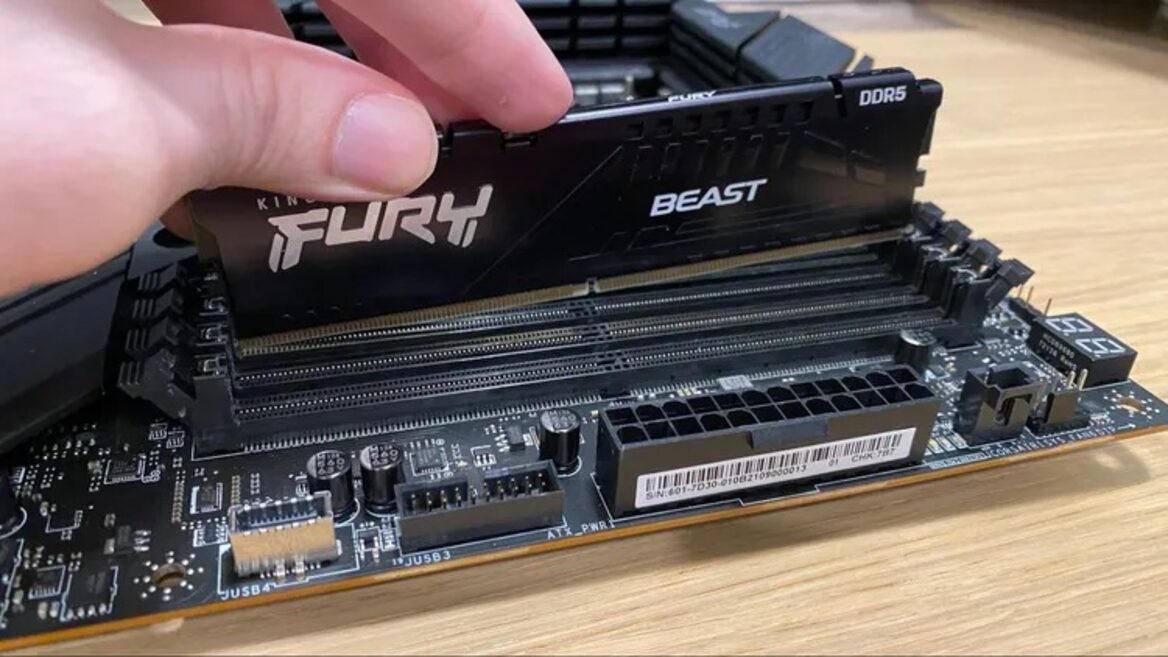
The reason for the price increase was the global shortage of RAM and storage chips, caused by the rapid expansion of artificial intelligence infrastructure (the phenomenon has already been called RAMmageddon).
At the end of July, it became known that the graphics card market is expecting a new wave of price increases, which will affect models of all price segments from NVIDIA, AMD and Intel. The main reason for the price jump was the almost tenfold increase in the cost of DRAM and a significant increase in the prices of GDDR6 and GDDR7 graphics memory, as well as other components for boards.
Earlier, amid this crisis , Apple also raised prices and launched a device leasing program to ease the financial burden on buyers. According to analysts, the shortage of memory components will last until 2027, and market prices are expected to stabilize in 2028.