Хочете будувати кар’єру в Data Science та AI? Vodafone Big Data Lab відкриває новий набір —>
Ігор Вишневський Weapon
3 November 2025, 09:00
2025-11-03
"I'm ready to spit in the face of anyone who says there is corruption in the interaction between the state and Ukrainian miltech." A big interview with the co-founder of Blue Bird, which produces Chuyka drone detectors and Grets electronic warfare systems
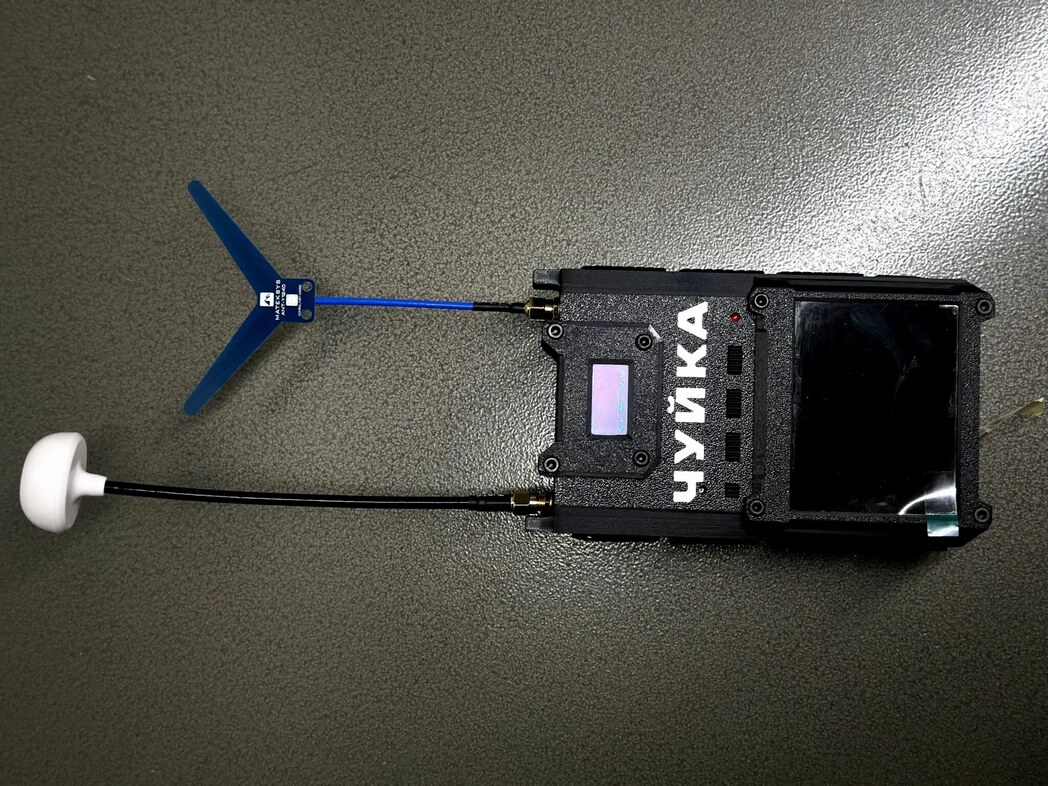
Despite the fact that the miltech company Blue Bird entered the market much later than many of its competitors — only in early 2024, it has already presented a very wide range of products for the Ukrainian defense industry. This includes everything from a series of electronic warfare systems for all occasions to its own NRCs, from FPV drones to ground relay stations and aerial repeaters. In addition, it created a real resonance with its drone detector «Chuyka», which has gained immense popularity among the military, becoming a much more technological device than the well-known «Sukorok».
Despite the fact that the miltech company Blue Bird entered the market much later than many of its competitors — only in early 2024, it has already presented a very wide range of products for the Ukrainian defense industry. This includes everything from a series of electronic warfare systems for all occasions to its own NRCs, from FPV drones to ground relay stations and aerial repeaters. In addition, it created a real resonance with its drone detector «Chuyka», which has gained immense popularity among the military, becoming a much more technological device than the well-known «Sukorok».
In an extensive interview with Blue Bird co-founder Valery Zarubin, dev.ua talked about how he got into miltech from the construction business, what Maria Berlinskaya is here for, and what it’s like to create a miltech company from scratch and with no experience. In addition, in the conversation, the Blue Bird co-founder shared his thoughts on arms exports and international scaling, the «China factor» and state participation — does it create problems or help solve them? More on all this and more later.
«At that time, a new market was opening up — electronic warfare equipment. We immediately sensed this and did not pursue the drone market in vain.»
— Let’s start with how you came to Miltech. Before the full-scale invasion, you were in a completely different business — construction.
— This is a long question, so I would divide my answer into several parts.
First, I always wanted to do technological solutions. I admired Silicon Valley and people like Steve Jobs or — up to a certain point — Elon Musk. Until he started interfering in politics and showing his, to put it mildly, strange views. That is, I wanted to be a part of big changes in the world. At that time, I had absolutely nothing in common with miltech, and I was far from thinking that I could do something that would be used for war.
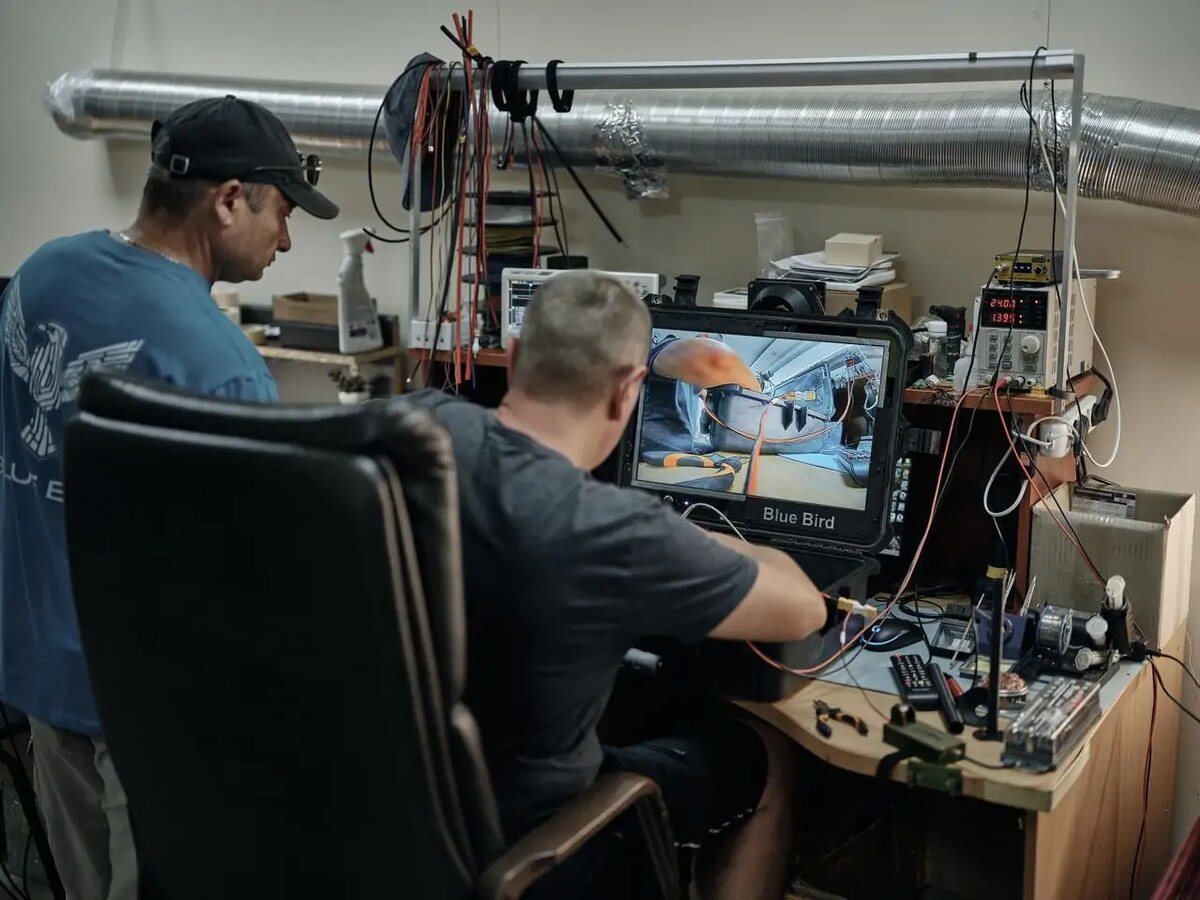
Photo from the Blue Bird website
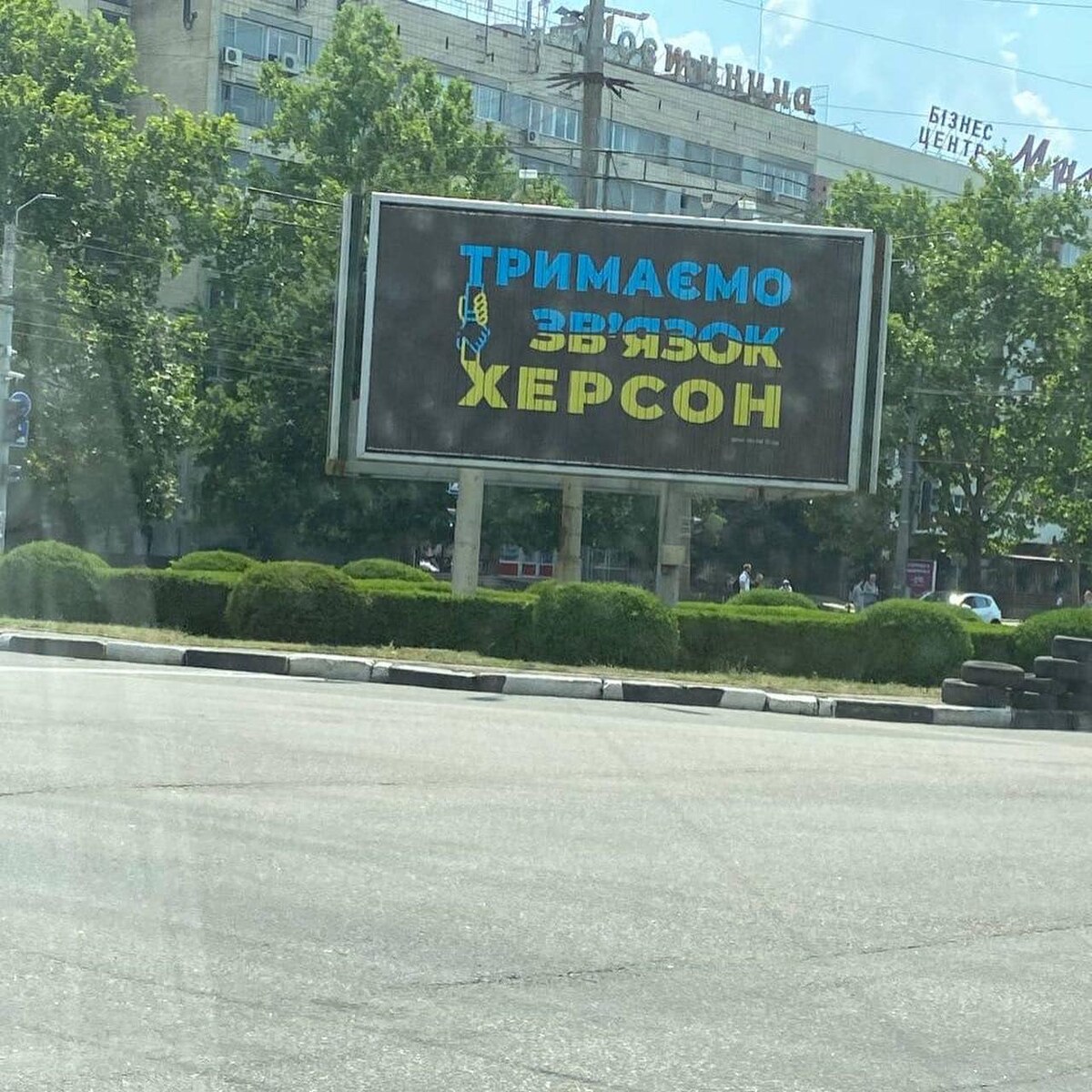
Secondly, I am from Kherson, and the city was immediately occupied. Like many other people who found themselves in a similar situation, I was quite traumatized by this experience. But the desire to do something related to the military sphere did not arise immediately, although when I saw that someone was starting to work with drones back in 2022, it inspired me a lot. And in general, I have been very inspired by aviation and all air technologies all my life.
However, at that time I still got more involved in helping people: we had a fairly large public organization «Zhyva». We helped people in Kherson — both during the occupation and after the de-occupation, we also helped displaced people in Odessa. We were engaged in evacuation, resettlement, provided humanitarian aid, tried to find ourselves in different directions. However, at some stage I had a very strong burnout. At first people needed our help, and then there was a feeling that they treated it as if we owed them something, and there were more complaints than thanks. We began to feel that we were not doing something valuable enough.
Photo from Facebook of Valery Zarubin
So the spring of 2023 came, and at that moment I was very influenced by the speeches and posts of Maria Berlinska. She began, as they say, «from every teapot» to talk about how important it is to win this technological war. It touched me, because she said that it is our responsibility and we can do it, and in fact everything is at stake.
I had to significantly change my worldview, and the influence of Maria Berlinska was indeed a driving force in this. At some point, we started communicating with a group of volunteers, traveling together near Bakhmut and to Avdiivka, and thinking about what we could do technologically valuable for the military. Already in the summer of 2023, we began to create drones, and think about where to move in the technological sphere next.
Well, thirdly, I’ve always said, and probably always will say, that everyone who is involved in full-cycle construction can do anything in this world. Because the level of stress and the level of responsibility in this industry are very high.
— Blue Bird was formed as a legal entity only at the beginning of 2024, right?
— Yes. Before that, we existed more in the format of an initiative group of several people. We initially thought of starting as a charity project. But very soon we realized that it doesn’t work that way, and we won’t grow exponentially if we do it without money. We need to buy it with at least some minimal markup, so that there is money for research, for rent, for salaries, that is, for development in general. This is how every company should develop.
— When you entered the market in 2024, a significant part of your competitors had already been operating for several years, or even more. Didn’t you have the feeling that you were running behind this locomotive?
— As for drones, there was this feeling. We were actually running and catching up with this train, which was already very, very far away. But at that time a new market was opening up — these were electronic warfare devices. We immediately felt it and went into the new market, began to shape it together with other companies, and did not start unsuccessfully chasing the drone market.
Thus, in 2024, we managed to create one of the most popular automotive or trench electronic warfare devices — the Grets series of electronic warfare devices. That is, we entered the market with this development very timely and it was very relevant.
— What’s it like to create a miltech company from scratch in 2024, when a full-scale war has already gone through several different phases? How did you find the staff, who are these engineers? How did it all come together?
— The advantage of modern technology companies, including miltech, is openness. At least, I can say that about us. We were open from the very beginning, although not everyone who worked with us liked it. But this is my development model.
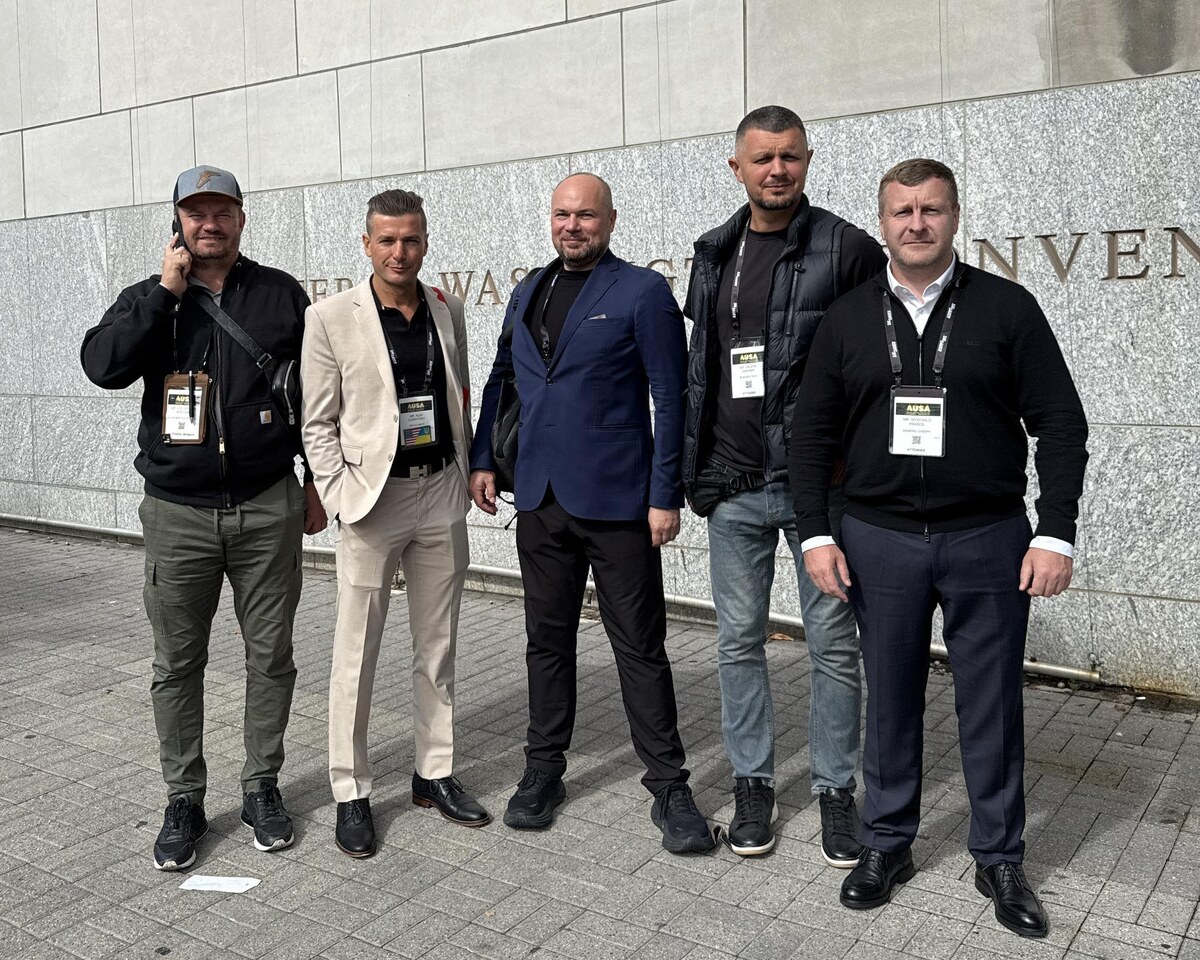
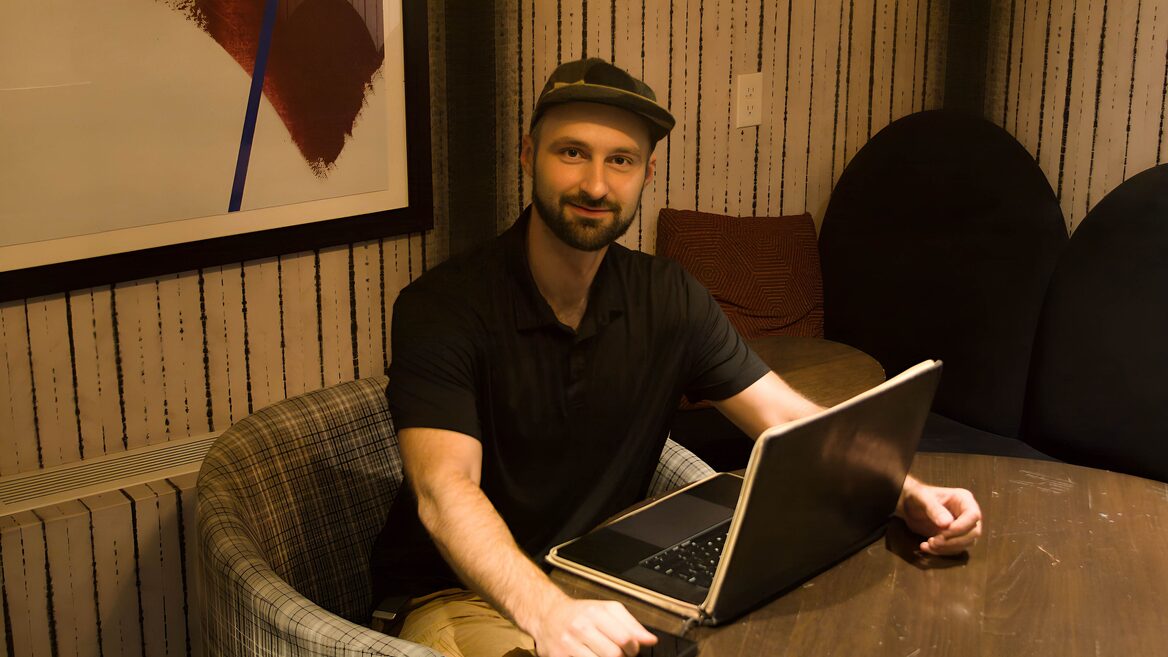
Valeriy Zarubin (second from right) during an international event. Photo from his Facebook
We look for our audience on social networks, communicate with them, get a lot of feedback. That’s how we looked for people. That is, we simply recorded a video and said: «Guys and girls, welcome! We are doing this and everyone who sees their path with us will be happy.» So we received the first 100-200 applications, and based on them we selected the people who suited us best — the core of our company.
We weren’t looking for some fantastic geniuses or setting high expectations for them to be some super-strong engineers. These were people who were willing to learn, work, and develop.
— A full-scale war is a permanent arms race, especially in the constant competition between electronic warfare and drones. Have you ever had a case where you started developing something, but it lost its relevance in the process, and you had to make a 180° turn?
— Here, a statement by Maria Berlinska, which I first heard from her, came to mind again. I don’t know whether she got it from somewhere or formulated it herself, but, according to her, war is an extreme manifestation of competition. That is, any war is fierce market competition and very tough competition that takes place not only on the battlefield, but also between businesses.
Therefore, in this context, everything that happens behind the scenes has a huge impact on the outcome on the battlefield. Of course, we have often encountered the situation where we started developing something, but it turned out to be irrelevant, or we simply did not keep up with the market.
As I said, our first steps were with regular FPV drones, which we actually didn’t get anywhere with. And we had to switch to something more relevant very quickly.
The same stories happened to us later with certain models of electronic warfare systems and relay stations. Although our relay station was relevant, it did not become super popular because we also did not have time to enter the market.
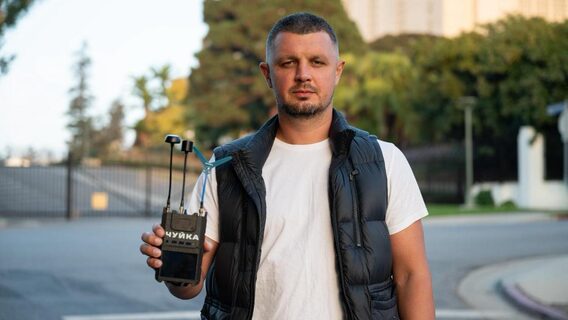
Therefore, now we invest all our free time and money in development. Even if there is a conditional 1000 UAH, we know exactly where to spend it. We hire new people, open new directions, and devote all our resources to research. Back in mid-2024, when we were still very weak on our feet, we already started developing NRC. In such conditions, one of our most popular products appeared — the drone detector «Chuyka». It is now widely used, everyone is talking about it.
— I saw this product at one of the military exhibitions. Tell me more about the development of the «Chuyka».
— In fact, we started developing the Chuyka in the second month after we were formed as a company. We hadn’t even started selling our electronic warfare (EW) line yet, there were only pre-orders.
And, of course, there were no budgets for developing new products either, but we started working on drone detection. While drones themselves can be made from scratch quickly enough, drone detection cannot be made quickly.
If you remember when «Sukorok» appeared, everyone immediately realized how much this solution was really lacking.
We had communications with the developer of «Sukorka» at the time. It seemed impossible to us that we would not only make something similar, but also something more technologically advanced.
The engineer who started developing it said, «No, we won’t do anything like that,» and I said, «We don’t build blocks for ourselves. Let’s just start doing it!»
In parallel with this, we communicated with Dima, who developed «Sukorok» — we helped him with logistics from China, and also wanted to outsource the production of «Sukorok». After all, at that time we were ready to do anything, as long as we had some revenue — so that we could live and develop with at least some money. We could not agree on the production of «Sukorok», so we threw all our efforts into developing our own drone detector «Chuyka».
At first, the engineers who started working with me didn’t understand my approach a bit. But I always said that if you dream about something and are confident that you can do it, then all the people and events begin to build up into some necessary chain of relationships. We were looking for people — and these people started to come. It turned out that they understood some things, and in this way we gathered the team we needed. But in fact, it started simply with some kind of dream and belief that we could do it. And then — constant movement to achieve it.
— At the current stage of Blue Bird’s development, do you, as a manufacturer and entrepreneur, have any questions for the state? For example, in one of your past interviews you complained that a significant obstacle to work is the constant delays of cargo with components at Customs.
— Let’s start with the fact that we ourselves have become much larger, much more experienced, we have a team that can work in different directions, so we solve our problems much better.
We are currently considering the possibility of initiating amendments to the legislation, as there are points that complicate the situation — for example, regarding the import of the same components and their taxation.
As for the interaction with the government and the absolute majority of state institutions in the miltech sphere, I would say that it is something incredibly cool, and a kind of Ukrainian Silicon Valley. Everyone helps, and everyone at the highest level is trying to improve and accelerate what we do.
I will not promote any individual leaders, but if someone tells me that there is corruption somewhere in the interaction between the state and Ukrainian miltech, then I am ready to spit in such a person’s face, because this is real nonsense. Of course, many people like to sow treason and accuse Ukraine of some such things, but it seems to me that corruption in this area is a thing of the past.
When I worked in the construction sector, I basically did not participate in tenders simply because I did not want to associate myself with the corrupt state component in any way. But what is happening now in interaction with the state in our field — one could only dream of it.
— But isn’t there a little negativity about the lack of long-term contracts, about defense orders, or about the purchase of drones, which then remain in warehouses? It seems that not everything is perfect with the state in this aspect, right?
— Let’s put it this way — I can’t speak for everyone, because all producers may have different difficulties. But the question is also that the state doesn’t owe us, as a private producer, anything.
Here’s the thing — if our product is really needed, then the request comes from below, that is, from the military. And if the military wants to buy something, then in the current conditions they often don’t need anyone else for this. Even the Defense Procurement Agency is not always needed by the military to buy something, and codification is not even needed.
Valery Zarubin. Photo from his Facebook
That is, the military, either together with volunteers or from their own military unit budgets, can buy everything they really need. And they won’t buy some nonsense.
I believe that the responsibility of manufacturers is to make the product that the military will need. And the military will do everything to ensure that this product appears in their use. And then there will be contracts, and then there will be money.
But again, if we talk, for example, about the Defense Procurement Agency, or AOZ: maybe someone will say that it is difficult to pass some AOZ inspections? No, you just need to bring the state of affairs at the enterprise to the appropriate form. What do I mean?
We just recently passed an inspection by the AOZ, when they come to the production and check that everything meets their criteria. And these are not some criteria invented from the ceiling, with the help of which someone tries to stop certain processes at the enterprise, on the contrary! Thanks to the fulfillment of these criteria, we are turning from a garage company into a company with which you can conclude any agreements, contracts and have serious business.
That is, this absolutely corresponds to my idea of how certain processes should be improved by the state. The state is not interfering now, but together with us is building for itself the kind of partner it needs. This is great!
Perhaps the example of our company is not so relevant, but there are companies that deal with drones, and they simply have space budgets of billions of hryvnias. And from the heads of these companies I also hear: «Not a single hryvnia — to anyone, ever.» That is, at the highest level, in my opinion, everything is clean, transparent and without any «muddy spots.»
«Our task as entrepreneurs is to build a kind of 'Ukrainian China'»
— The issue of arms exports has been raised by many miltech manufacturers for years, but it still remains unsettled. Only now has the state already provided some specifics and it seems that exports will be open by the end of the year or even earlier. What is your vision of this issue?
— I think that those who make the final decision have the hardest time in this regard, because the responsibility for the result lies with them. And at the very least, there are risks.
First, when we start selling something somewhere under contracts, of course, we need to carefully monitor that the same large drones or drone detectors, which are in very high demand around the world, do not end up where we don’t want them to through proxy countries.
The second thing that may be worrying is that the products we make in Ukraine are much, much more expensive in the world. Everything we sell in Ukraine, we generally do with a minimal markup — just to be able to develop, hire new people, and open new production facilities. So isn’t the market moving to where they pay more?
That is, it should not happen that there will be a shortage of these products in Ukraine, and a large number of such products will be sold somewhere, because we will immediately feel it on the battlefield.
But, despite the risks mentioned, of course, we need to do it. Just do it in a way that doesn’t harm ourselves. The possibility of arms exports should definitely be opened up, and we should definitely work on it, but we should also take into account the possible harm that could occur due to rash actions.
— Do you already have a vision for scaling outside the country? In terms of sales, possible opening of new production facilities, attracting international investors and partners, etc.
— My biggest target is the development of the Ukrainian technological direction, so I want to make Blue Bird a global company of world importance. Because we will also feel serious results on the battlefield only when our companies begin to occupy the first places in the world. That is, we need an economically developed country with serious technological solutions. And these are not just loud words.
I definitely understand that we have all the opportunities to come to this state of affairs. We have large markets, such as Europe and America. And I see how many Ukrainian companies are moving in this direction. I think we will do without specifics in answering this question, but you get the point.
I think we will soon see how rapidly Ukraine will change in the technological sphere, and these changes will be for the better. I really want us to be similar to Japan and South Korea in this regard. Moreover, we need to understand: it may happen that everything we buy in China today, we will no longer be able to buy tomorrow.
— How would you characterize the Chinese factor in general?
— In general, we need to understand that our main rival on the battlefield is Russia, but globally and economically, it is China.
You can only fight China by taking away some of its production capacity. That is, our task as entrepreneurs is to build a kind of «Ukrainian China.» We need a Ukraine that can become a conditional China for Europe and the United States. And we have a great opportunity for this!
After all, the States is gradually abandoning China, markets are opening up. And it’s not just about miltech, but about everything — starting from some socks or plastic pipes, because China produces almost everything on the planet.
If we in Ukraine manage to make 1%, 2%, 3% or 5% of what China does today and sell it to the world, we will gain both economic independence and a significant change in the situation on the battlefield. Or rather, this battlefield may simply not exist.
Because victory is not only a situation where we have shot down all the enemies. It is when the enemy does not attack you, because it is simply not profitable for him and beyond his means. We need to make it so that it is simply not profitable for the enemy to attack, because he will constantly get hit in the teeth.
— How many employees does your company have, and how many of them work on hardware and how many work on software?
— I won’t say the exact number, but we have several hundred employees, and we are constantly growing. If we talk about the software for our products, then dozens of people are involved in this.
— And what does your cooperation with the military look like in terms of product testing, how exactly do you get feedback from them? After all, their opinion is important first and foremost.
There are a lot of different interactions — with each department in its own way. With someone it could be remotely — we just send them some devices, and they give us feedback or ask us to refine something. And we refine it and send them another iteration of the device.
We can also go to the training grounds closer to the LBZ. Especially if it is important for us to see the operation of a particular device in conditions close to combat. For example, if it concerns the NRK, then we show the military on site how it works, exchange experience. Then we go back, refine it — and return. This is constant interaction.
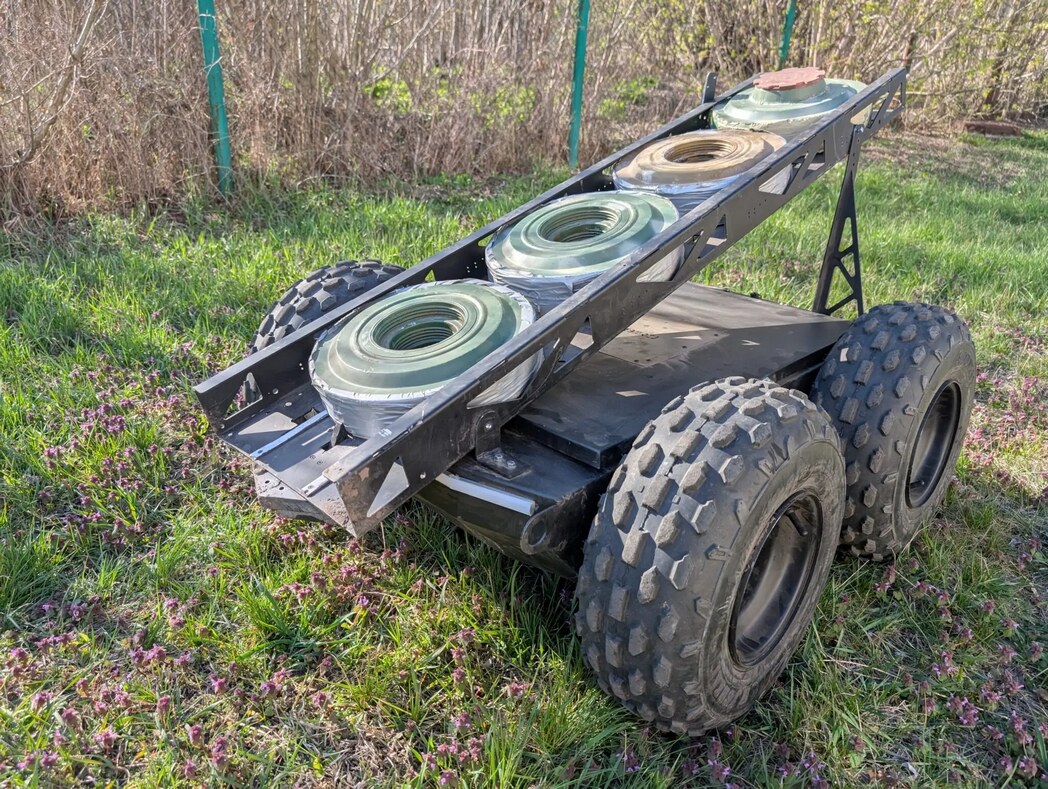
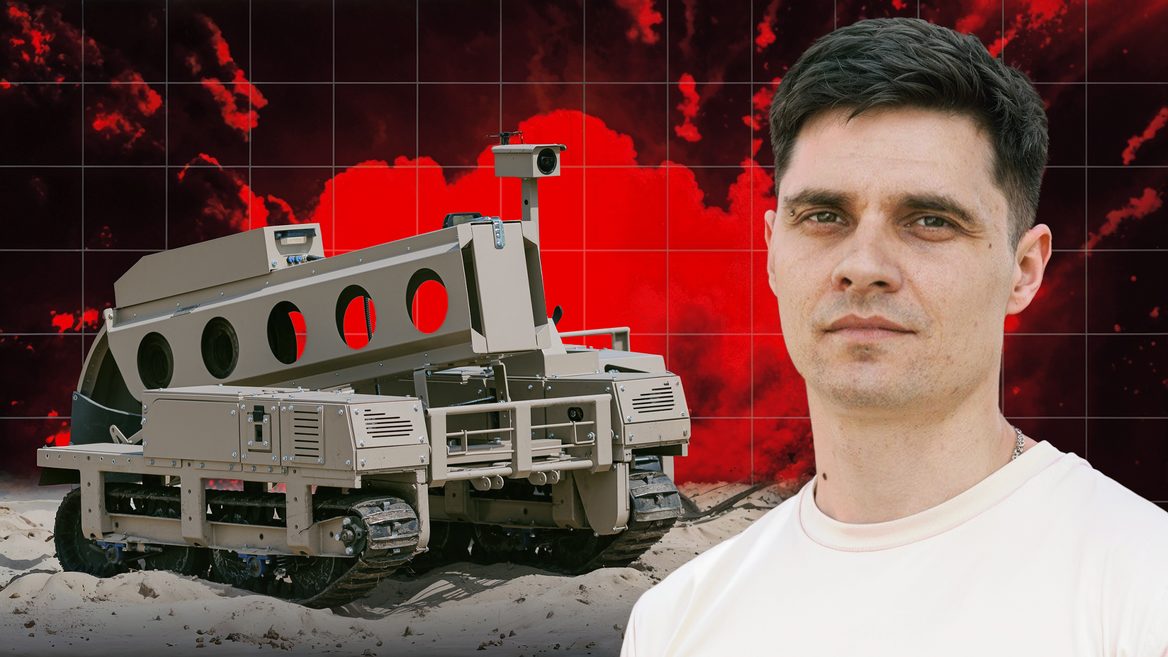
BlueBird’s Bandura Miner ground drone. It is equipped with a throwing mechanism designed for 4 TM6 anti-tank mines
There are also training grounds in the cities where we work, so we also meet at training grounds close to the cities. We need to realize that in order to understand how effective our devices are, we need to get «intelligent» feedback from specialists who are directly involved in this and know how it works. Because feedback is also different and not every military person can give it. Therefore, we try to cooperate with specific specialists in a specific field.
The best feedback is when the number of our devices on the battlefield is measured in the thousands. In reality, there is an understanding that each device should be as simple as possible without losing functionality. And we simplify where we can.
Top 3 Blue Bird products and who is behind their names
— Despite the fact that you are relatively new to the market, you have a very wide product line. Can you highlight three of your positions that are the most top-selling and receive the best feedback from the military?
— Probably, «Chuyka» is the most relevant product. It’s just that these are times when there are a lot of drones, and there are much fewer anti-drone solutions, because drones are easier to deal with.
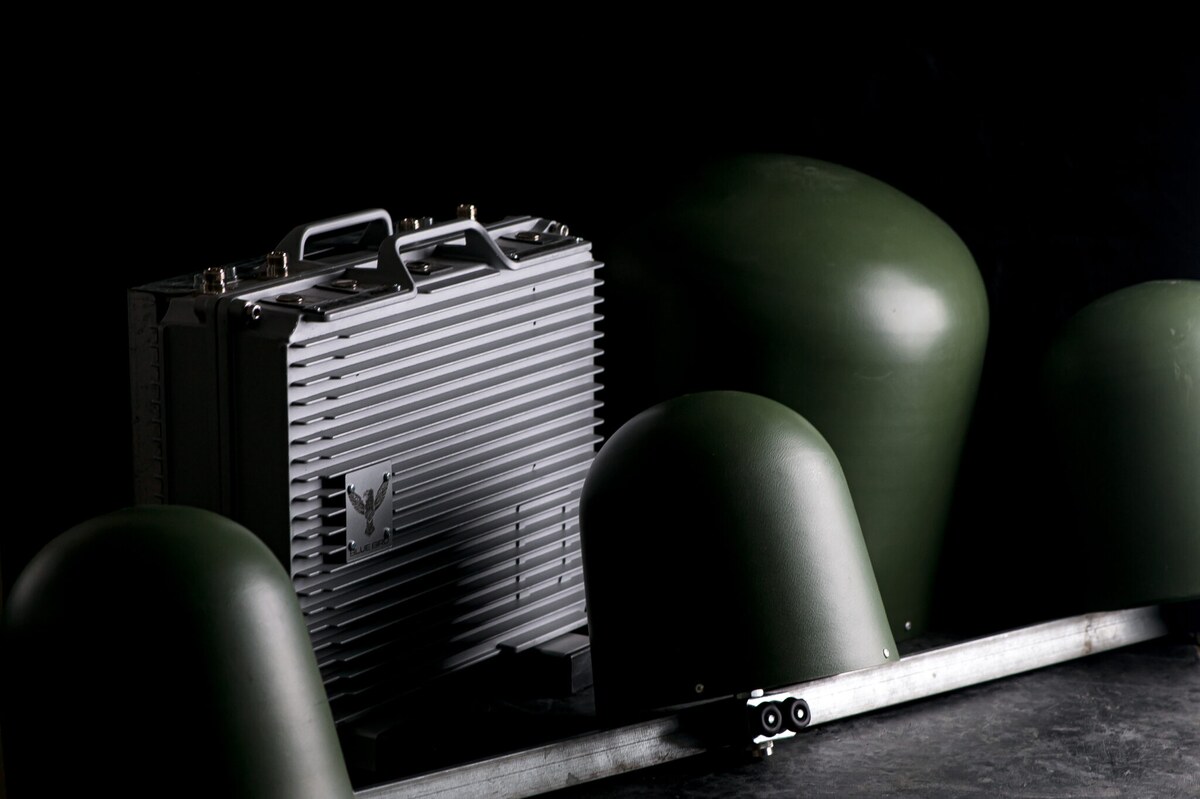
In second place I would put our electronic warfare equipment, the «Grets» series of electronic warfare systems. After all, they are also more than relevant.
Trench EW «Grets» 5UL, which has five separate jamming bands
But we also shouldn’t forget that we have antennas. Therefore, antennas, probably, are the third place. At the very beginning, when we started to form as a company, we had the idea of becoming a major developer and manufacturer of antennas, because, if we talk about radio electronics, antennas are timeless, they are needed everywhere and always.
— A few words about the naming of your products. In my opinion, «Chuyka» is a very good naming, «Grets» is also very original. Should the prize for these names be given to your marketing department or to someone else?
— Names come in different ways, and anyone in our company can come up with them. If we are talking specifically about «Chuyka» and «Grets», then these names were invented by the same engineer who launched these projects. It turns out that this person turned out to be not only an engineering genius, but also a marketing genius.
But when it comes to product name suggestions and any other issues, we actually listen to everyone. After all, these people use their potential to realize the potential of the entire company. By the way, our top positions are occupied by those who came to work as ordinary collectors of equipment. And it seems to me that this is an indicator that we pay attention to everyone.
— In conclusion, how do you see Ukrainian miltech and the future of your company in five years?
— Everything will depend on us — how much Ukrainian companies will develop their potential. But, at the same time, everything still depends very much on the circumstances on the battlefield. Be that as it may, the active phase of the war probably has only one plus — this is technological development. But in general, this is what hurts us all, and pain is the greatest motivator for everyone.
I see that we have every chance to become one of the most technological countries in the world, along with Japan, South Korea, and ultimately the USA. So we have the budgets that we will be able to earn somewhere in the world, bring to Ukraine and invest in the development of our institutions, in particular, in education. That is, to build the infrastructure around which everything will develop.
But I want to draw attention to one of the main driving forces that we lack in Ukraine. And this, I believe, is our own responsibility. This is international marketing! What am I talking about?
We already have very good products. We can do even better, but we need to have an audience. We need to get used to communicating not only with each other in Ukraine, we need to learn how to sell in America, in Europe! Let’s start at least with the English-speaking world.
We need to start making cool films for an English-speaking audience, to put the main meanings there. Why is America so strong? It simply has very strong marketing. So we need to prepare an audience for ourselves that will buy our products and invest in our developments. This way we will get everything we dream of.
«I resigned from an American company for the sake of a Ukrainian miltech project.» The story of a KPI graduate who saved an American healthtech startup from collapse, created a mini-competitor to Netflix, and is now preparing an AI defense system against Russian FPV
«Technological independence is not a theoretical issue, but a condition for survival.» What components does the miltech industry lack to 100% localize production in Ukraine, and why should we strive for this?
«2025 has become the year of the NRC, but to meet the need on the front line, 40,000 robots are needed.» Interview with the co-founder of Tencore, the largest manufacturer of ground robotic systems in Ukraine