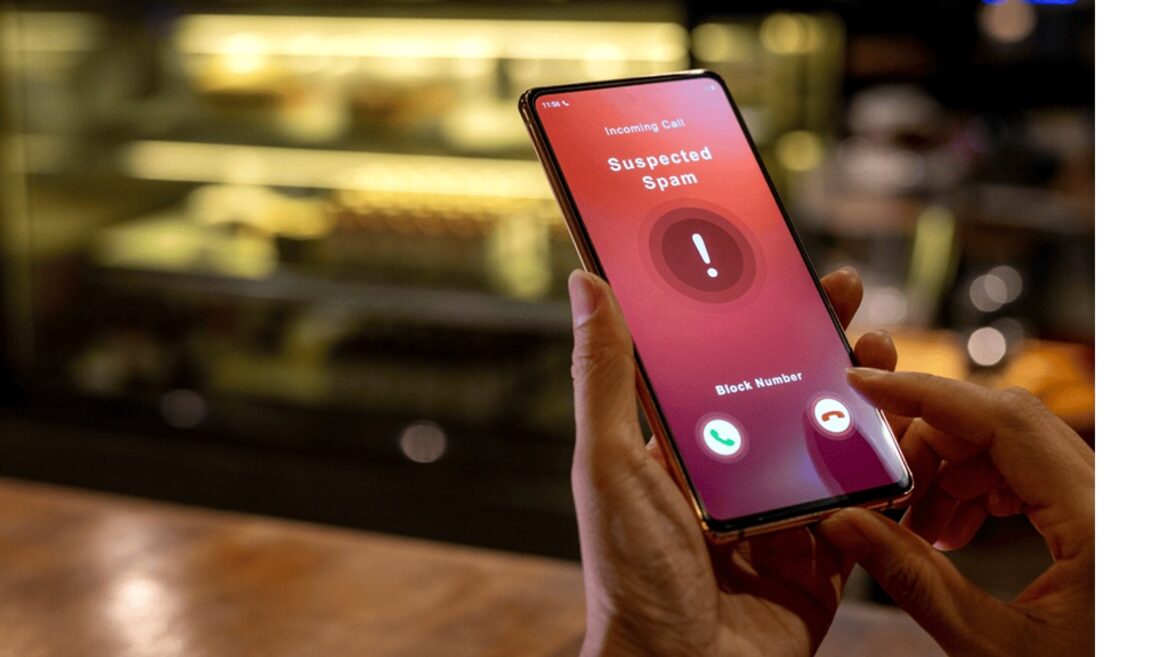
A call from an unknown number and silence on the phone? Experts explained why scammers do this
Many people have answered a call from an unknown number at least once and heard silence on the phone. Sometimes the person you’re talking to appears only after a few seconds, and sometimes the conversation never begins.
In fact, this could be part of a scam designed to verify that the number is active and that a real person is answering it, Shane Barney, director of information security at Keeper Security, told ZDNET.
Many people have answered a call from an unknown number at least once and heard silence on the phone. Sometimes the person you’re talking to appears only after a few seconds, and sometimes the conversation never begins.
In fact, this could be part of a scam designed to verify that the number is active and that a real person is answering it, Shane Barney, director of information security at Keeper Security, told ZDNET.
Why do scammers keep quiet on the phone?
According to the expert, such calls are rarely random. «In many cases, this is automated intelligence. Fraud operations work on an industrial scale. Before spending resources on a real attack, they check whether the number is active and whether a person answers it,» Barney explained.
If a person answers, the number is marked as active and suitable for further attacks. In today’s cybercrime ecosystem, such data has value. «Verified contact details are bought, sold and reused. Silent calling is a way to filter out inactive numbers and find real people,» the expert added.
What do scammers do with verified numbers?
Once activity is confirmed, the number may become part of other attacks:
phishing calls
fraudulent SMS or email
password reset attempts
attacksSIM swap, when criminals reissue the victim’s SIM card.
Sometimes the number is combined with data from leaks — such as email — to make the attack more convincing.
Why is there sometimes a pause before the answer?
If the other person starts speaking only after a few seconds, this could also be a sign of an automated system.
«The delay is usually related to the predictive dialing infrastructure. The system makes many calls at the same time and determines when a person answers. After that, the call is transferred to a live operator,» Barney explained.
Such systems allow scammers to make thousands of calls with minimal cost.
Can scammers clone your voice?
With the development of artificial intelligence, people often worry that a short conversation could allow fraudsters to copy your voice. According to the expert, such a threat exists, but it should not be exaggerated. «To create a convincing copy of a voice, you usually need a longer and higher-quality audio recording, not just a short ‘hello,’» Barney explained.
Voice cloning is often used in conjunction with other stolen data to make the scam more believable.
What to do if someone calls you and you don’t answer
Experts recommend a few simple steps.
Just hang up. If you answer a call from an unknown number and no one speaks, it’s best to end the call.
Don’t say anything.You can answer the call, but don’t speak. If the system doesn’t record your voice, scammers may consider the number inactive.
Use spam filters.Most smartphones and carriers have tools to block spam calls.
As a reminder, updated rules for blocking telephone spam have come into effect in Ukraine: operators can now ban numbers that are mass-calling people without their consent. Users are offered several simple ways to file a complaint and have them blocked.