Хочете будувати кар’єру в Data Science та AI? Vodafone Big Data Lab відкриває новий набір —>
Олександр КузьменкоRobots
26 June 2025, 18:55
2025-06-26
A Japanese startup has created a capsule that turns the user's body into a robot control interface
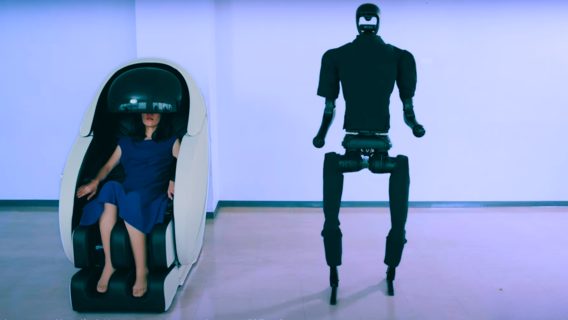
Tokyo-based tech startup H2L has unveiled a device that can transfer full-body motion and physical strength to control humanoid robots. The technology looks like a mix of Robocop and Evangelion.
Tokyo-based tech startup H2L has unveiled a device that can transfer full-body motion and physical strength to control humanoid robots. The technology looks like a mix of Robocop and Evangelion.
H2L’s Capsule Interface technology is designed to create «immersive shared experiences between humans, robots, and avatars» and opens up new possibilities for their remote interaction. Interesting Engineering writes about this.
The Capsule Interface device resembles a massage chair — but the startup says it’s a control system that turns the user’s body into a remote interface for controlling a humanoid robot.
The company released a short video demonstrating the new system’s features. It shows a woman remotely controlling an Unitree Robotics H1 humanoid robot using the Capsule Interface. The robot’s actions demonstrate the system’s ability to transmit precise body movements and force, including cleaning, lifting a box, and interacting with another person.
The Capsule Interface uses sophisticated sensors to detect even the slightest changes in muscle tension. The technology captures the user’s physical intent and applied force in real time, tracking changes in muscle movement, not just limb position.
This contrasts with traditional remote control, which typically relies on motion sensors to simulate user movements, such as IMUs, exoskeletons, or optical trackers. By mapping real-time muscle activity directly onto the humanoid robot, the Capsule Interface maintains a sense of force, enhancing tactile authenticity and a sense of embodiment.
This allows robots to more accurately replicate not only what the user is doing, but also how hard they are doing it—for example, when lifting a heavy object, it conveys how much effort the user is feeling. This feedback is extremely important, it is noted; research shows that empathy and immersion are improved when users feel movement and force.
H2L says the technology has a wide range of applications. For example, users could attend meetings or complete tasks in remote locations without having to travel, controlling humanoid robots from home or nearby offices. In the future, the company plans to add proprioceptive feedback, increasing realism and expanding the range of shared experiences between humans and machines.
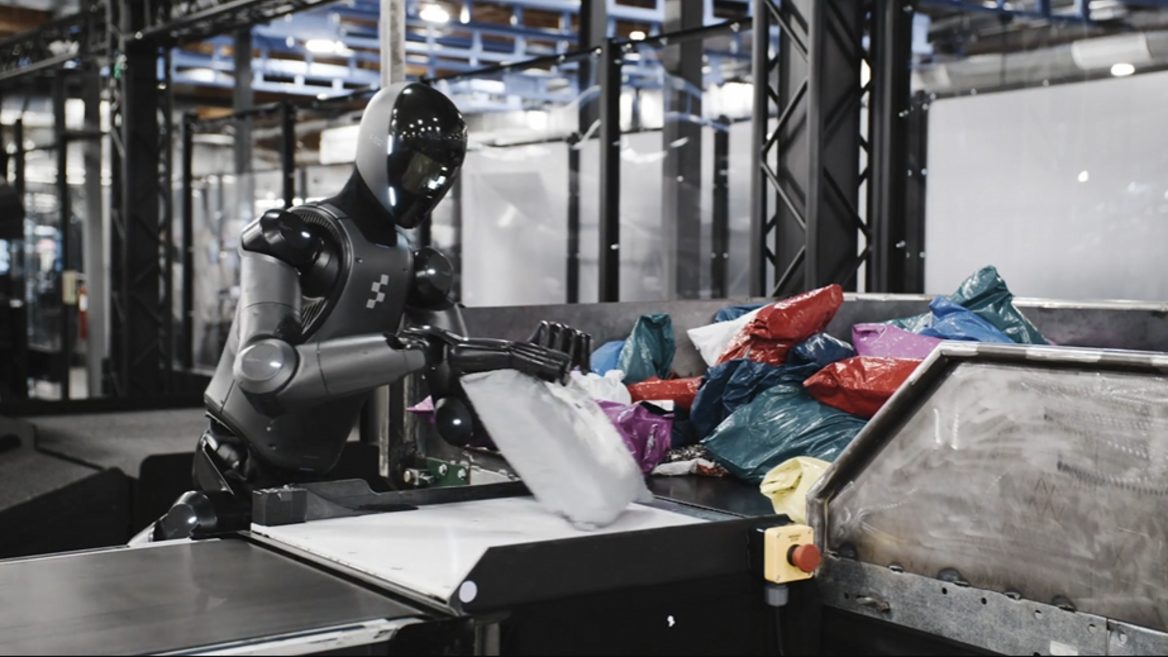
Figure AI humanoid robots with Helix AI work on conveyor belts in sorting centers — they have learned to work not only with boxes, but also with packages and envelopes
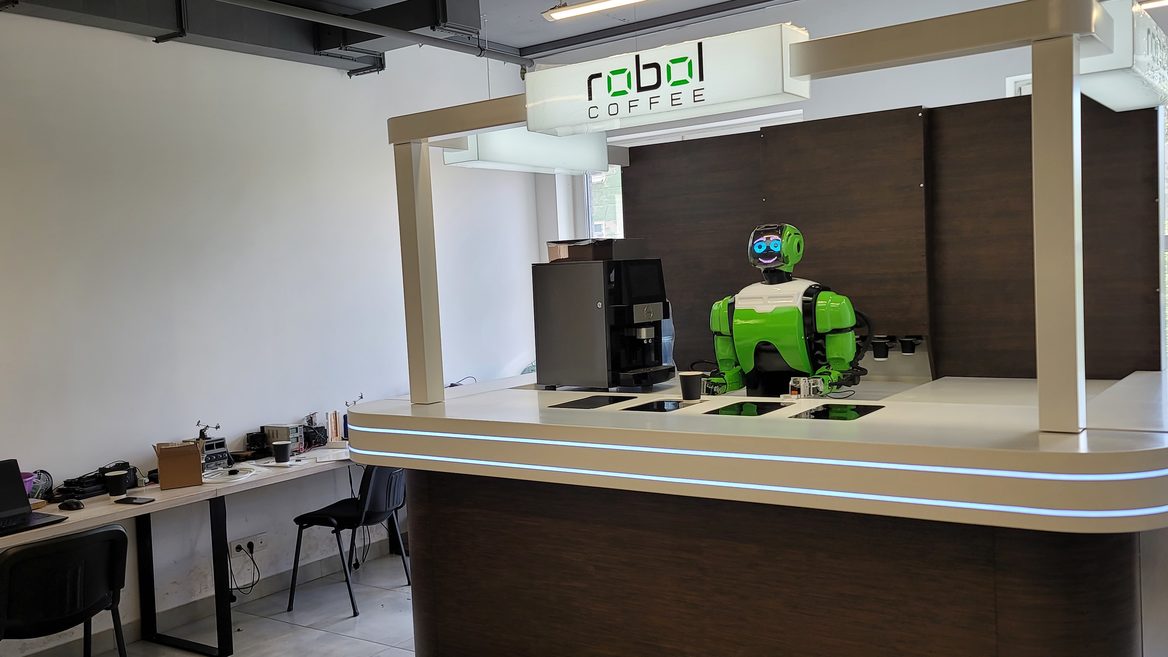
«The robot cooks, and the person receives guests and creates a pleasant atmosphere.» How the Ukrainian startup Robol works, which produces humanoid robobaristas for autonomous coffee shops