Хочете будувати кар’єру в Data Science та AI? Vodafone Big Data Lab відкриває новий набір —>
Наталя ХандусенкоWork
29 October 2026, 14:50
2026-10-29
“Action trumps experience.” Anthropic engineering manager says “technical coding interviews are dead,” and gives advice to juniors
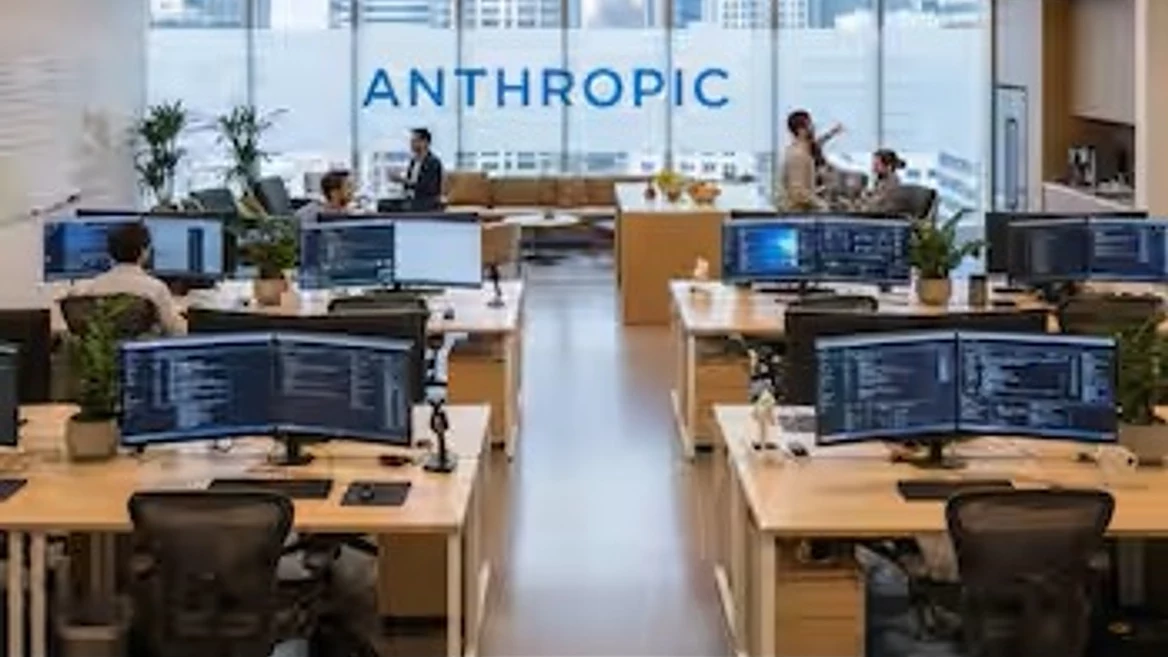
Traditional coding tests are no longer a good indicator of whether a candidate will be successful on the job, says Felix Rizeberg, engineering manager at Anthropic, who says he has completely eliminated the coding interview stage from his team’s hiring process.
Traditional coding tests are no longer a good indicator of whether a candidate will be successful on the job, says Felix Rizeberg, engineering manager at Anthropic, who says he has completely eliminated the coding interview stage from his team’s hiring process.
“The coding test is dead, at least for my team at Anthropic. I’ve seen enough to know: it no longer provides any useful information about a candidate. I’ve removed it from the hiring process this month,” Riseberg wrote in his post on X.
In his blog, the engineer explained that there is no point in giving candidates programming tasks or asking them about the specifics of languages like assembly language, since artificial intelligence does it better, reports Business Insider.
“Claude is doing better than humans at this now,” he noted, referring to his own Anthropic language model.
According to Rizeberg, such tests used to be a “weak but useful” indicator of future success, but now the most productive developers on his team are not those who pass such tests perfectly.
"I see relatively new engineers leaving behind those who probably write better code and have much more experience. Hunger for action trumps experience," he emphasized.
How to stand out in the AI era
The rapid development of AI coding tools raises concerns that it will become more difficult for junior developers to find their first job, as AI takes over basic tasks — finding bugs and writing simple features — that previously served as a "school" for beginners.
However, Riseberg gave some advice for specialists without much experience or high status in the company.
Focus on business objectives: instead of simply closing backlog tickets, it is worth understanding what business problems the company is trying to solve.
Bold ideas and prototypes: come up with a bold idea that can significantly advance the business towards its goals, and put together a working prototype (e.g., over a weekend).
Clear focus: the developed project should convey one compelling idea, not hide several good ideas under an overly complicated and overly ambitious product.
Junior engineers also need to take advantage of their “sideways” perspective. According to Rizeberg, they are more likely to notice awkward user experiences or question long-held beliefs about what is possible.
As an example, he cited two relatively new engineers at Anthropic who built a GUI for Claude Code in just a weekend; the first public version was released about eight days later.
Riseberg admitted that he has not yet found a final solution for how to evaluate candidates who effectively create products using AI.
For now, he says he looks for small prototypes in resumes and portfolios that demonstrate “taste, empathy, and principled thinking” — qualities that AI researchers and tech leaders increasingly value in the AI era.
At DOU, 22% of offers for young specialists were in the "Military Affairs" category. In which areas are there the most vacancies for juniors in the third quarter?