The recruiter said she never read the company information before the interview, but some IT people disagree. Here are their arguments
Recruiter Anna Kotenko, when she was applying for a job, read the vacancy on job sites, and also looked at the company description there. But she says that she never asked for additional information about the company. Why does the specialist consider this approach rational and whether other IT professionals adhere to this strategy and what do they think about it.
Recruiter Anna Kotenko, when she was applying for a job, read the vacancy on job sites, and also looked at the company description there. But she says that she never asked for additional information about the company. Why does the specialist consider this approach rational and whether other IT professionals adhere to this strategy and what do they think about it.
«When you go to read information about a company, you will definitely come across reviews. There you will read about salary delays, a tyrant manager, and the fact that HR has some incomprehensible wart on its nose. And here you are at an interview, sitting and looking at this wart, not thinking about anything else. And then, when asked the question „What do you know about us? What have you read?“ (for some reason, they still like to ask it), you risk blurting out everything you read in the reviews, and then you will definitely not pass the interview,» Anna Kotenko explains the reasons for her approach and believes that the same way she presents herself as a candidate, a recruitment specialist should present the company-employer. But she adds that this applies to situations when it comes to vacancies that she does not have any doubts about at the stage of negotiating the interview. Otherwise, the specialist looks for reviews about the company.
Some IT professionals believe that excessive knowledge is sometimes even harmful. “ It happens that when asked ‘what do you know about us?’ it turns out that the candidate knows a lot, and this can even alarm certain people, like ‘where does this intelligence officer or intelligence officer come from anyway?’» notes Senior iOS Developer Denys Melnyk .
Project Manager Oksana Alyaeva, who had personally encountered a similar situation, agreed with him. «I dug up lawsuits against the owners, participation in very dubious things, which in the future could have led to problems in the company’s work,» Oksana said, recalling how she asked about the status of these cases at an interview. But then this situation turned out to be in her favor, because the specialist received a comprehensive answer that satisfied her, accepted the offer and did not regret it.
IT Recruiter Valeria Pankova, for example, always looks for information about the employer company so as not to waste her time. «It happened that some companies have Russian roots and I am glad that I discovered this at the research stage, and not after all the stages of the process,» she recalls. In addition, the recruiter believes that bad reviews are everywhere and you should not dwell on one case. But at the same time, she adds that in a situation where every second review is about salary delays or some problematic points, this is also a wake-up call. Valeria also notes that, as a recruiter, she always appreciates when candidates have read something about the company, although she always presents it at the interview.
But Frontend developer Maksym Mohyla does not review reviews precisely for the reasons that Anna Kotenko mentioned in the post. However, before the interview, he reads about the company’s direction, working conditions, and technologies that he works with. «I think it is most important for a developer to see the technologies, because there are thousands of them on the market, and during the interview you will need to emphasize which ones you have experience with and which problems you have solved or which ones you have an idea about (in order to confidently (or not so much) state that I can learn them in less than a day if necessary,» he adds.
There are also options when IT professionals first receive information about the company during an interview, and only then begin researching additional data about the potential employer. This is what EdTech and L&D Leader Anna Hnybida does. «In such cases, it is easier to form the right picture. «Because you see what they showed you at the interview, then you see the reviews about the company and compare where they were honest and where they completely embellished the truth,» she explains, but notes that the question «What do you know about the company?» causes her to feel negative and compare it to an exam.
In addition, the expert adds that the website of a future (potential) employer usually tries not to look beyond the main page. «An interview is really like a first date, and if you start telling the guy about himself, you are unlikely to be invited for a second one,» she writes.
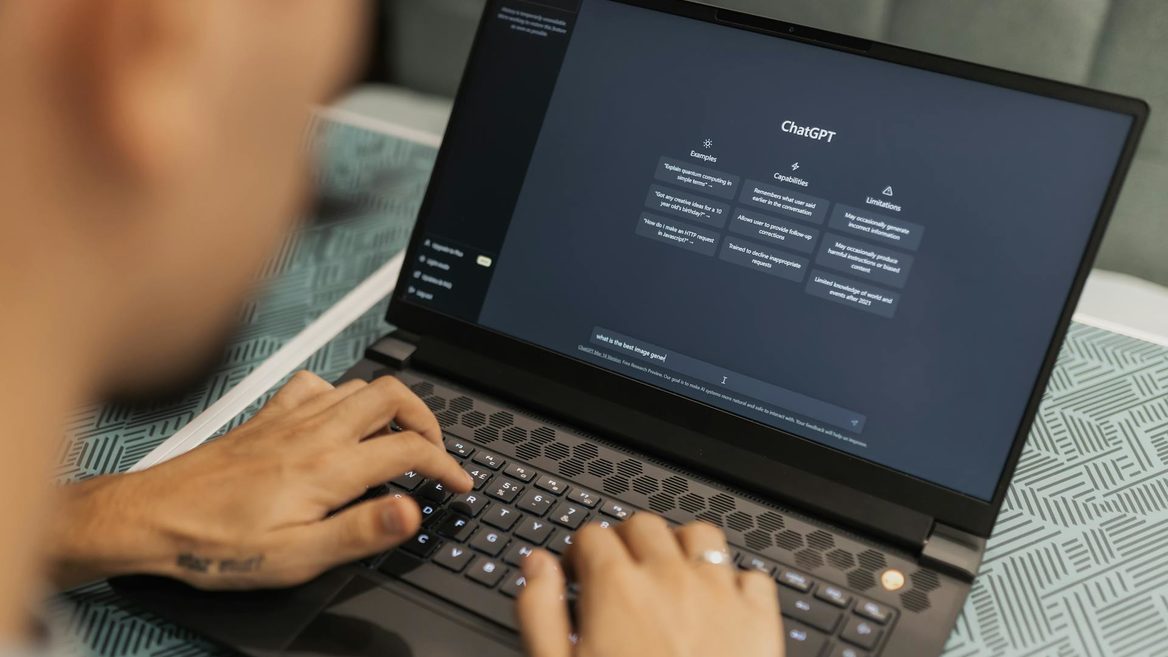
«Soon, offers will be given to those who made more mistakes and did not answer perfectly.» Aitivets complained that he «burned» a candidate for using ChatGPT at an interview, and asked what to do about it. The community offers options
Професії у геймдеві. Хто такий левел-дизайнер і як ним стати?
Ми продовжуємо нашу рубрику, присвячену професіям у геймдеві. Тема нового матеріалу в ній — левел-дизайн. Його вважають підвидом геймдизайну, але все-таки практично кожна студія хоче окрему людину на позицію левел-дизайнера. Адже у цій спеціальності вистачає своїх нюансів та особливостей.
Розібратися з ними всіма нам допоміг досвідчений левел-дизайнер зі студії Fractured Byte Дмитро Нестеренко. Також він веде свій блог Game Designer Notes про геймдизайн в цілому, в якому розбирає багато цікавих нюансів розробки ігор.















Comment hidden for violating commenting rules.