Хочете будувати кар’єру в Data Science та AI? Vodafone Big Data Lab відкриває новий набір —>
Оксана СтепураWar
7 November 2026, 13:27
2026-11-07
The Russian analogue of Starlink, Rassvet, is already working over Ukraine, but with interruptions. What problems could this create now?
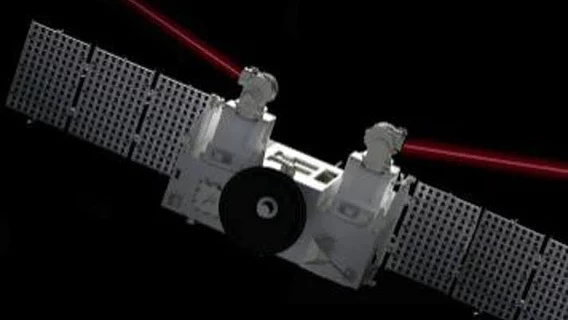
Russia already uses its own satellite network, Rassvet, over Ukraine, which it is creating as an alternative to Starlink. So far, it is working intermittently, but the GUR warns that in the future this technology could allow the Russians to change the routes of attack drones even during flight and complicate the work of Ukrainian electronic warfare.
Russia already uses its own satellite network, Rassvet, over Ukraine, which it is creating as an alternative to Starlink. So far, it is working intermittently, but the GUR warns that in the future this technology could allow the Russians to change the routes of attack drones even during flight and complicate the work of Ukrainian electronic warfare.
The Main Intelligence Directorate of the Ministry of Defense of Ukraine told Reuters about this.
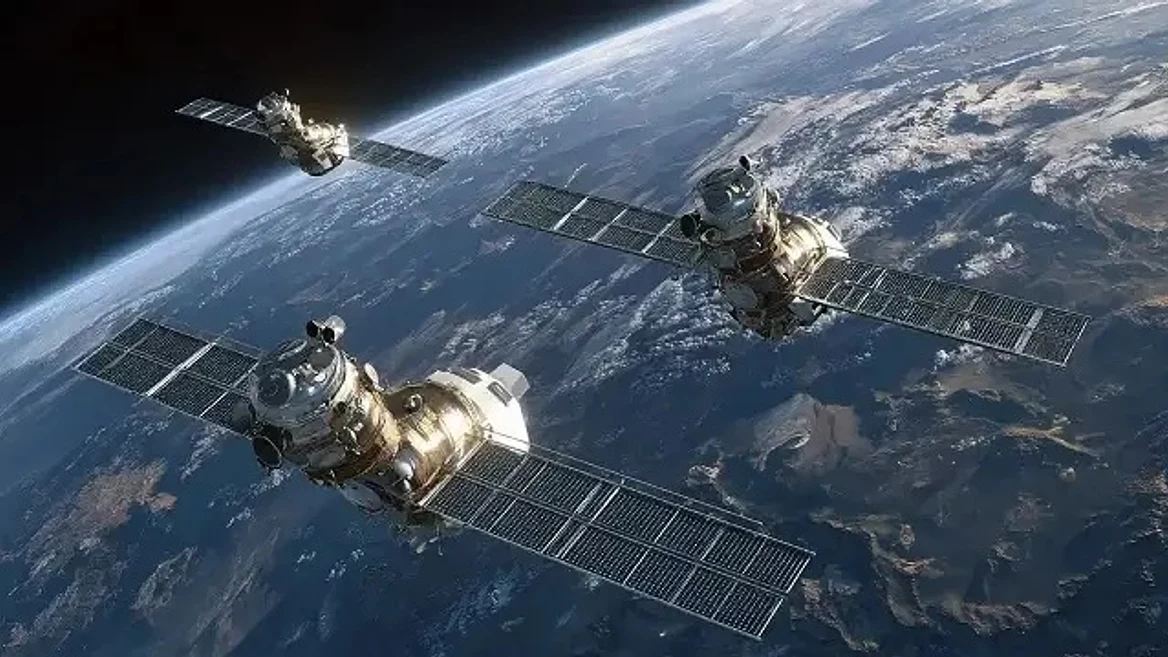
During 2026, Russia launched 32 Rassvet satellites into orbit — first in March and then in July. For comparison, SpaceX's Starlink network already has over 10,000 of them. As GUR representative Andriy Yusov explained, there are still not enough satellites to provide continuous communication over Ukraine. It appears only when one of them flies over the desired territory.
However, even this could be enough to cause problems for the Ukrainian military. According to Kyiv-based security expert Mykola Zientsev, Russia already has at least two periods of high-quality satellite communication every day, each lasting more than an hour. And this, in his opinion, is enough to influence military operations.
Currently, many Russian drones fly far from the front line along a route that is set for them before launch. But thanks to satellite communication, a reconnaissance drone will be able to transmit data about the situation in real time. And a strike drone will be able to change its route if the target has moved, or if it tries to bypass Ukrainian air defenses.
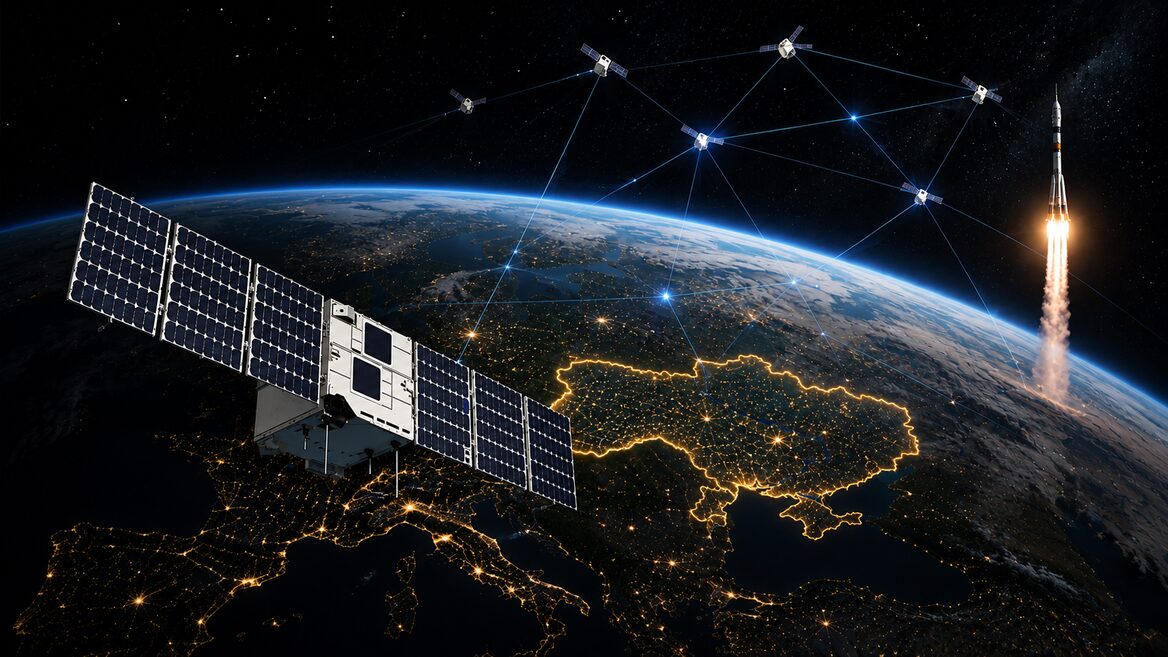
In addition, the Russian company Bureau 1440, which is coordinating the project, wants to create a constellation of over 900 satellites by 2035.
Earlier, dev.ua wrote that Russia is developing a new version of the Rassvet-4 satellites, as previous devices encountered technical problems. Of the 32 satellites launched in March and July, at least two have already left orbit, and the rest failed to reach the planned altitude.
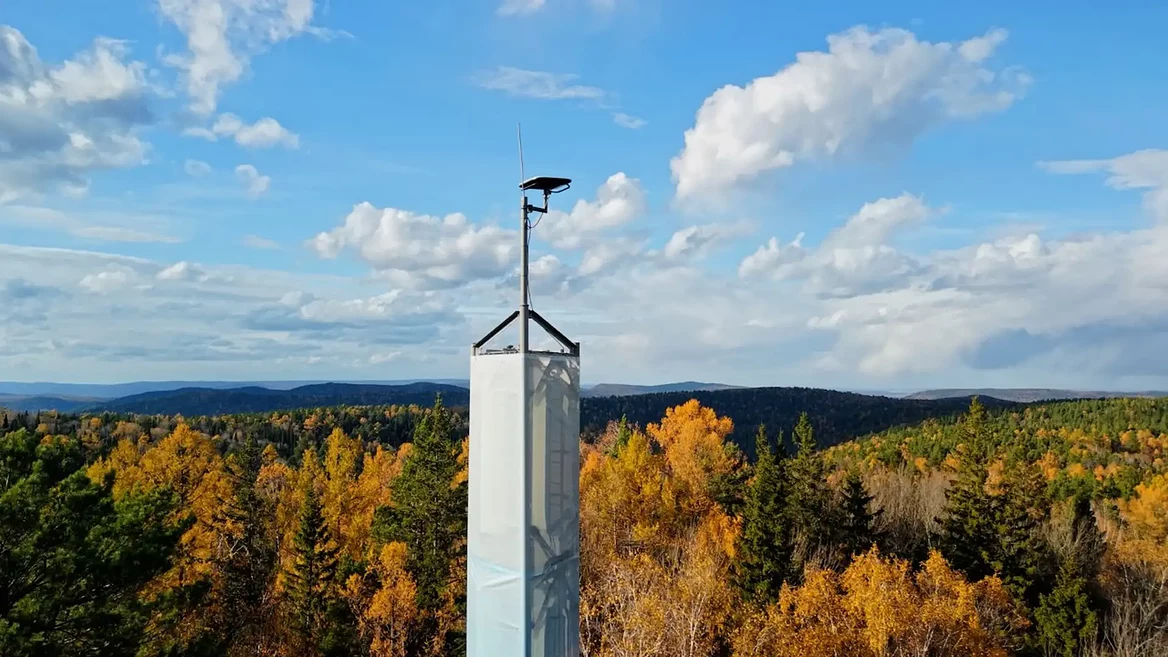
News from the swamps: in the Russian Federation, a base station was connected to the mobile network via the Rassvet satellites. How the technology works