Historian spent years searching for the author of drawings that are over 200 years old. GPT-6.2 Astra found it in 22 minutes
Canadian historian Mark Humphries decided to use OpenAI’s GPT-6.2 Astra AI model to solve the mystery of a 200-year-old sketchbook. Humphries had been unable to identify the author for years, but it took the AI just 22 minutes to figure it out. The AI also found a diary that helped the historian verify his conclusions.
Canadian historian Mark Humphries decided to use OpenAI’s GPT-6.2 Astra AI model to solve the mystery of a 200-year-old sketchbook. Humphries had been unable to identify the author for years, but it took the AI just 22 minutes to figure it out. The AI also found a diary that helped the historian verify his conclusions.
Humphries said this in an interview with Business Insider.
There were few clues to the identity of the author: a few dates, captions to the drawings, and a route that thousands of people had traveled. But the historian gave GPT-6.2 Astra a digitized version of the album, turned on Ultra mode, and asked it to find out who the drawings belonged to.
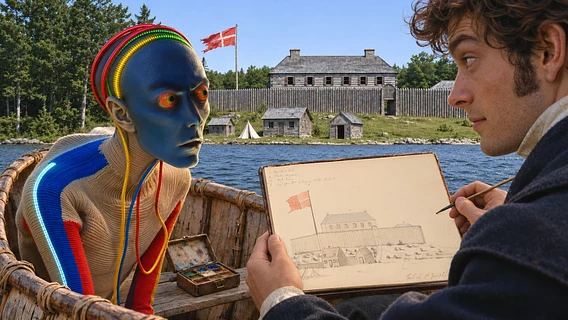
A key clue was the diary of former fur trader Joseph Frobisher. In it, the model found a mention of a French aristocrat, the Viscount de Chabot, who set off on a journey in early June 1808. From another letter, Astra learned that the aristocrat later visited Fort St. Joseph, depicted in the album.
The model eventually concluded that the likely author of the drawings was Louis-Guy-Charles-Guillaume de Rohan-Chabot, whom Humphreys had never even heard of. According to Humphreys, a human could easily have conducted the same investigation. But the documents processed by the AI mentioned hundreds of people, each of whom would have had to be checked.
Astra also suggested how to test his hypothesis. In another researcher's doctoral dissertation, the model found a reference to de Chabot's personal diary, copies of which could be ordered on microfilm.
When the historian received them, he noticed that the handwriting in the diary and the album looked the same. The dates of the traveler's stay in different places also coincided. In addition, in one of the entries, Chabot mentioned that he had drawn Fort St. Joseph, and even specified from what angle. The album really contained a drawing of this fort from exactly this angle. According to Humphreys, historians are rarely lucky enough to come across such obvious evidence.
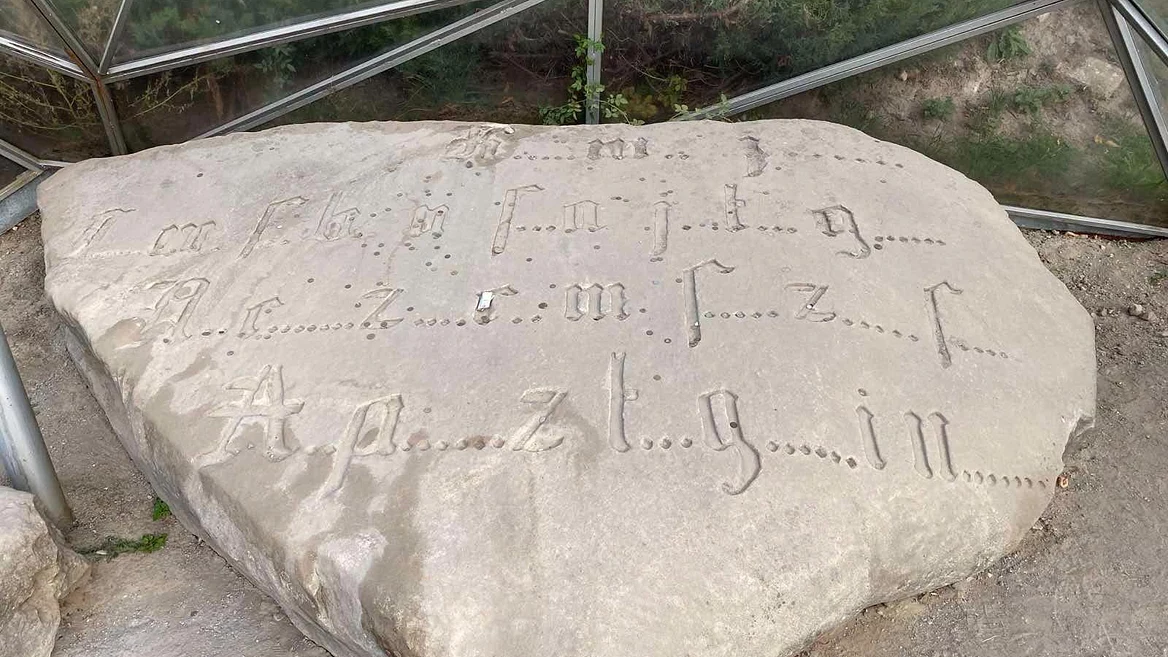
Earlier, dev.ua wrote that SentinelOne engineer Carter Church used GPT-6 Astra to decipher a Napoleonic military letter that had remained unread for 217 years. It took about six hours. The AI independently wrote a program to select the key to the cipher and realized that some symbols did not represent individual letters, but entire words.
«Чи є у мене талант, якщо комп’ютер може імітувати мене?». Штучний інтелект пише книги авторам Amazon Kindle. The Verge поспілкувався з авторами та виявив багато цікавого
Письменники-романісти використовують штучний інтелект для створення своїх творів. Видання про технології The Verge поспілкувалося з письменницею Дженніфер Лепп, яка випускає нову книгу кожні дев’ять тижнів, й дізналося про те, як працює штучний інтелект для написання романів. Наводимо адаптований переклад статті.
The Cabinet of Ministers instructed the Ministry of Defense to check the data of men aged 17 to 60. What information will be obtained from other state registers?