LinkedIn CEO Names 4 Soft Skills That Are Increasing in Value Thanks to AI
Ryan Roslansky, CEO of LinkedIn, said that soft skills are getting a hard rebranding.


Ryan Roslansky, CEO of LinkedIn, said that soft skills are getting a hard rebranding.
Ryan Roslansky, CEO of LinkedIn, said that soft skills are getting a hard rebranding.
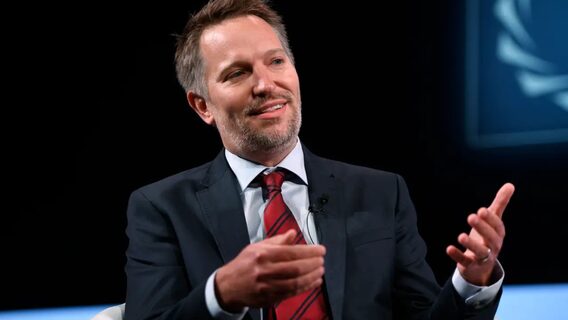
In an interview for the "Tools and Weapons" podcast, LinkedIn CEO Ryan Roslansky noted that artificial intelligence is automating routine tasks, Business Insider reports . He argues that these changes increase the importance of four uniquely human qualities: curiosity, courage, communication, and compassion.
“It turns out that these skills are really critical to getting the job done,” the CEO said. “It’s the focus on them, combined with AI, that I think allows us to dream big and paint a much more positive picture of a future where people and technology move forward side by side.”
Roslansky argues that AI is transforming the very way people think about their work, encouraging workers to view their roles as a “set of tasks” rather than a fixed position.
He divides these tasks into three categories: those that AI can fully automate; those that it can augment; and those that remain deeply human—like conflict resolution, team persuasion, or strategy formation.
“These skills are important, but historically they’ve always been called soft skills,” Roslansky said. “I think in the professional world, where people are really better at these skills and honing their skills, things become much more effective.”
As AI takes over automated duties, Roslansky says, agents can free up time to engage with colleagues, increasing the value of communication, judgment, and emotional intelligence.
He added that this approach allows him to look with hope to the future of AI. However, Roslansky noted that he does not have a magic bullet and could ultimately be wrong.
“Sometimes when you’re immersed in technology — especially AI — and you try to predict where it’s going to go, you end up with some pretty bleak scenarios,” he said. “But I believe that people play an integral role in determining where this technology is going to go.”