Хочете будувати кар’єру в Data Science та AI? Vodafone Big Data Lab відкриває новий набір —>
Олег ОнопрієнкоІсторії
17 February 2026, 09:00
2026-02-17
"Software can be a digital weapon." Interview with the CEO of Sigma Software Group on the partnership with BAE Systems and the future "unicorns" of Ukrainian DefTech.
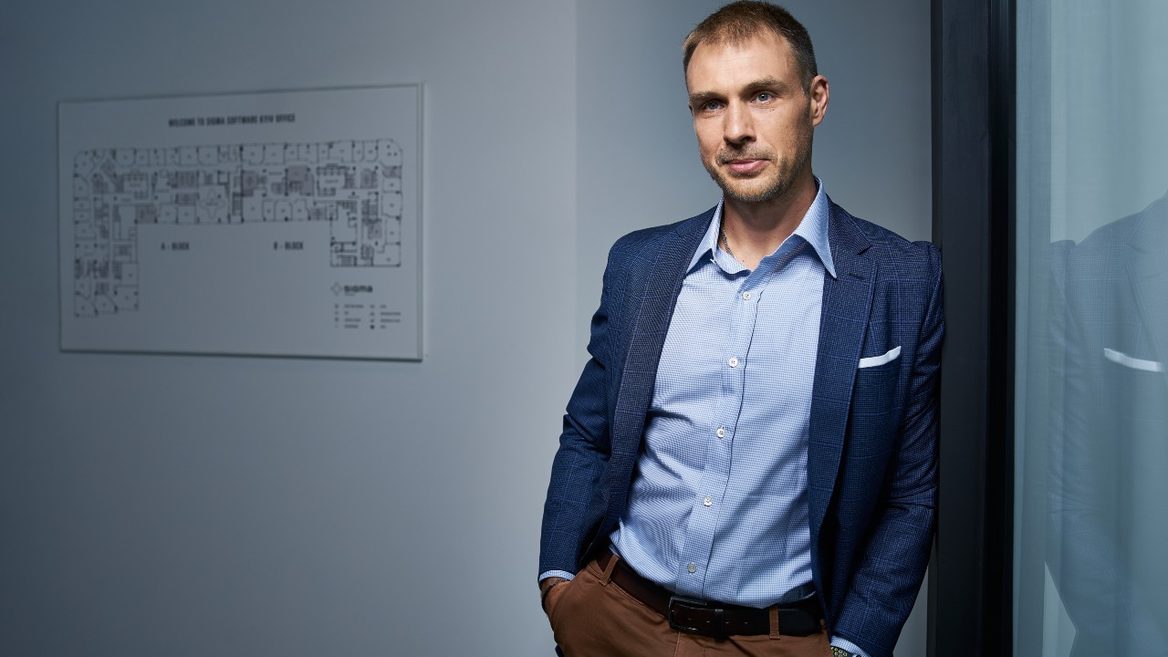
Valery Krasovsky, CEO of Sigma Software Group, speaks with dev.ua to analyze the company’s cooperation with British giant BAE Systems, explain the importance of European digital sovereignty, and name the promising Ukrainian projects changing the rules of the game on the battlefield.
Valery Krasovsky, CEO of Sigma Software Group, speaks with dev.ua to analyze the company’s cooperation with British giant BAE Systems, explain the importance of European digital sovereignty, and name the promising Ukrainian projects changing the rules of the game on the battlefield.
— In 2024, you acquired about 50 new clients. How many were you able to bring in over the past year, and what goals are you setting for the team this year?
In total, we acquired 65 new clients over the year, so the growth rate remains the same as last year. Regarding this year’s KPIs, having serious and complex projects is more important to us than sheer numbers. The paradigm in the market has shifted: while previously clients came looking for a large number of people (requests for 50–100 developers), they are now more cautious due to geopolitics and AI challenges. Now, orders are more focused on solving specific business challenges, such as the orchestration of existing AI tools.
— How much has the difficult current situation in the energy sector affected the company’s internal processes and, more importantly, work with clients?
Our offices operate uninterrupted 99,9% of the time. We have long been equipped with generators and Starlinks, so our spaces are a kind of «hub of resilience» where we even invite friends from other companies.
Over the past four years, clients have grown accustomed to this situation; they see that projects are completed on time and have simply stopped noticing infrastructure issues. We have even shared our business continuity experience (knowledge sharing) with the Swedish government, companies, and institutions, as they also feel a certain level of danger due to their proximity to the Russian Federation.
— A year ago, you named Brazil as one of the most promising markets. Given your office there, did you manage to deepen your expansion in that region during 2025, and did your expectations for it hold up?
We try to grow in several places simultaneously. Brazil is interesting to us because it shares a similar time zone with the US, which is convenient for American customers, and it also has a powerful talent market.
We chose between various Latin American countries—we have people in Argentina and Colombia—but Brazil currently has our largest office, with about 80 people. We attended several conferences in Brazil, liked the atmosphere and the people, and decided to scale there specifically.
«Зараз на ринку значно більше можливостей, ніж коли я шукав першу роботу C++ джуном у 98 році». CEO Sigma Software — про українське IT, війну, дитячі та дорослі мрії й можливості
— Recently, Sigma Software Labs was looking for CEOs for two startup projects. How large was the candidate pool, and have you already confirmed the final candidates?
We received 30 applications from candidates all over the world: Canada, Poland, Ireland, Portugal, Britain, Cyprus, USA, Spain, Austria, and even Kenya. This is practically a never-ending process because the company always has more ideas than people capable of realizing them. The candidates come with very strong experience.
— Tell us more about the recent partnership with BAE Systems in the field of cybersecurity. How long did negotiations with such a giant last, and what does this cooperation involve in practice?
Publicly, I can only confirm the fact of cooperation in the field of cybersecurity. We built this relationship over a long period, perhaps a year or more. We are also very active in the British market and promote relations between the countries through initiatives like the UK-Ukraine TechBridge and participation in joint events like London Tech Week.
— You often represent Ukraine alongside the government, notably during the recent visit to the UAE. Do such state initiatives bring real results for the industry, and how do you evaluate this synergy between government and business?
This is very important for the long term. At world exhibitions in Dubai or Qatar, national pavilions are the norm, and Ukraine must show what it is capable of. Right now, there is even more attention on us due to successful cases in Defense Tech that are going to IPO just a few years after being founded.
Previously, Ukraine was a talent forge and a service business, then product companies appeared, and now—powerful DefTech. The main facilitator is the Ministry of Digital Transformation, but the Ministry of Economy, Ministry of Defense, Ministry of Foreign Affairs, and embassies also actively help. The Brave1 project was a very timely initiative for redirecting grants into the defense ecosystem.
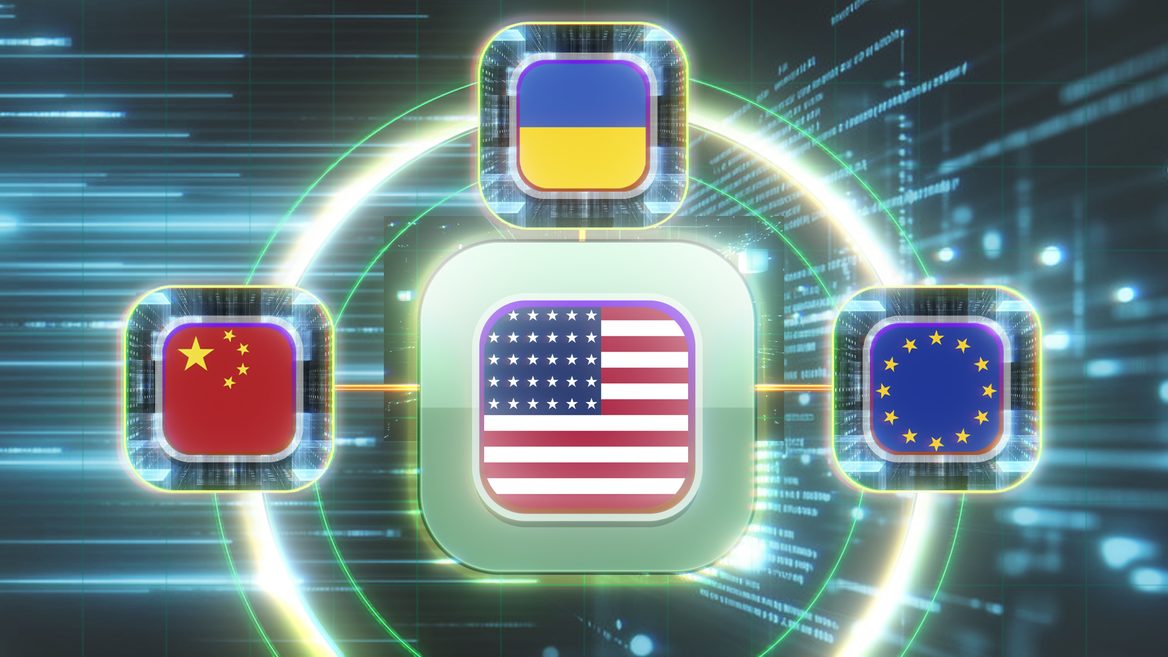
— Sigma Software joined the European Gaia-X initiative. In your opinion, is it realistic for Europe to achieve true digital sovereignty and independence from American tech giants, and what specific steps are needed for this?
I believe you have to start somewhere, because if you never start, nothing will happen. Gaia-X is the right initiative because software can be a digital weapon. In the modern world, it is impossible to completely abandon American products, but it is important to reduce dependence: store your data locally and train your own LLM models without excessive sharing. It’s like digital defense.
Цифровий суверенітет. Як боротьба за контроль над даними перетворилася в повноцінний вимір геополітичного протистояння
— Last time, you noted Quantum Computing as a «tech wonder.» Does this technology continue to show rapid development, and what surprised you most in the tech industry in 2025?
The technology is advancing. This is evidenced by our investment with the SID Venture Partners fund in the company Haiqu, founded by a Ukrainian and an American. Haiqu raised $11 million and cooperates with giants like IBM, Airbus, and HSBC bank. This is a good indicator, as it demonstrates they have results to be proud of and real development.
In general, quantum computing is a harbinger of a future revolution in cyber defense, as quantum computing will be able to instantly crack modern security keys. Therefore, we must prepare for this before computational methods can break existing protection.
I would also highlight blockchain as one of the technologies that developed rapidly over the past year. Unfortunately, traditional banks are inefficient when payments take 3–5 days, so blockchain technologies will eventually push them out.
— Previously, you preferred ChatGPT and Copilot. Have your preferences regarding LLM models changed over the last year, and what is currently in your daily toolkit?
I use several tools. Grok even recently suggested we laugh together at ChatGPT’s conclusions because the latter cannot work in real-time and lags behind trends.
I use Perplexity for research, and Microsoft Copilot is integrated into our workflows. Each has its advantages, though Copilot still needs improvement.
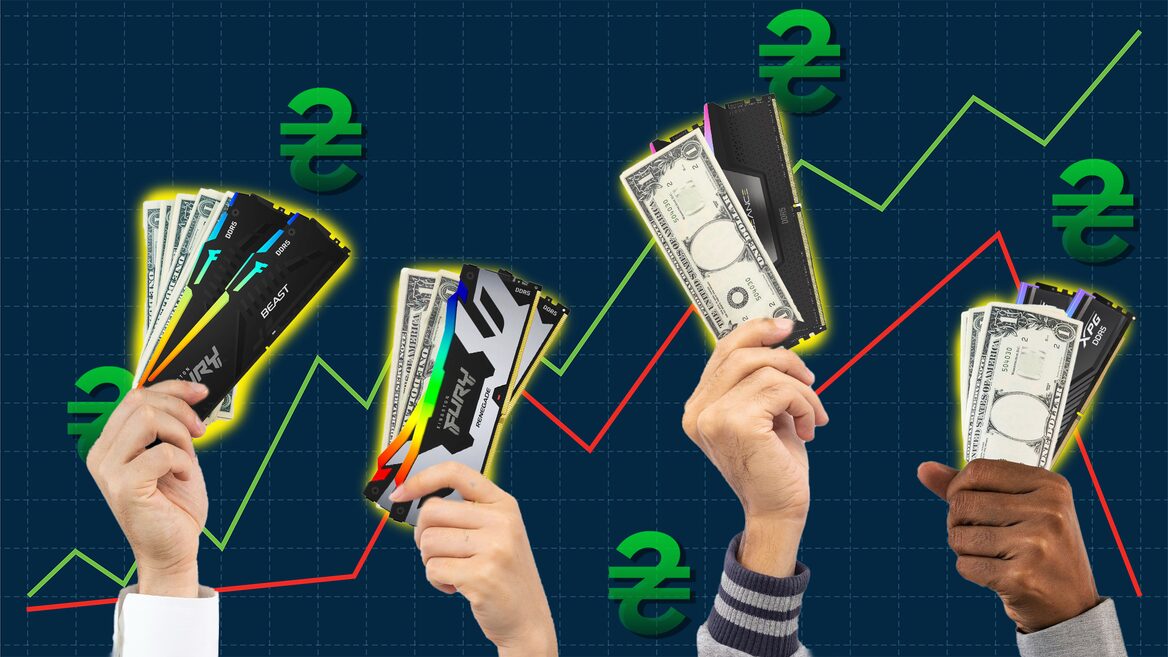
— How long do you think the hype around AI will last? The memory chip shortage has already flipped the components market—what should we expect next?
That’s a very interesting question. Who knows how long it will last. I think someone will win this race, and someone will fail to keep up the pace. Currently, most companies in this field are unprofitable due to huge energy and computing costs. Someone will definitely collapse, but it won’t be a crash like the dot-com bubble in 2000 because the technology is already genuinely helping with efficiency.
There is a good example with Uber—the company only became profitable a couple of years ago, but before that, it existed for decades on investor funds. The story of the pandemic and the fall of banks like Silicon Valley Bank or Credit Suisse showed that if there isn’t enough money, they simply print it. They solved the SVB problem literally over a weekend. So, there are resources in the market.
But comparing it to YouTube, which eventually pushed everyone out and remained alone, the situation here will be different. I think more than one player will survive this race, and a market with several strong solutions will form.
Ціни на оперативну пам’ять зростають швидше за золото і вже зрівнялися з PlayStation 5. Це лише початок: розповідаємо про нову кризу чипів і кого вона зачепить
— Following the news of the IPO from Swarmer, how do you evaluate the potential of Ukrainian DefTech? How many more startups do you think are nearing «unicorn» status, and who should investors look out for?
The potential is incredibly high. DefTech will become a core industry on par with agriculture and IT. Right now, we are seeing money constantly poured into defense, new investment rounds being raised, and companies entering foreign markets. Sigma Software Group, together with partners including the Kyiv School of Economics, also helps DefTech companies through the Defense Builder accelerator.
Most countries are thinking very seriously about this. Ukraine has a unique situation: extremely fast feedback from the front and experience working with a vast array of Western weaponry. The demand for people in defense companies is growing daily. Besides Swarmer, I recommend paying attention to: Buntar Aerospace, Sine Engineering, and General Chereshnya.