Хочете будувати кар’єру в Data Science та AI? Vodafone Big Data Lab відкриває новий набір —>
Валентин ШнайдерGameDev Eng
4 December 2025, 09:00
2025-12-04
"You forgot about the UFO covers": how to recognize and stop the expansion of Russian into the domestic game localization market
dev.ua spoke with Ukrainian game localizers MK:translations, SBT Localization, as well as the admin of the localization community «Solov’ina» to find out how to identify «disguised Russian» and how to prevent Russian contractors from Ukrainian translation.
dev.ua spoke with Ukrainian game localizers MK:translations, SBT Localization, as well as the admin of the localization community «Solov’ina» to find out how to identify «disguised Russian» and how to prevent Russian contractors from Ukrainian translation.
Content
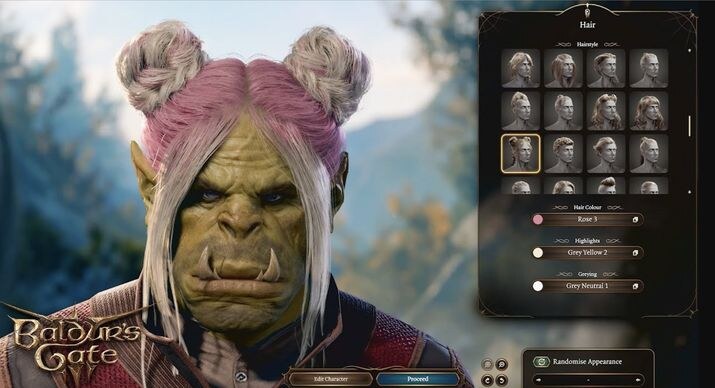
After the full-scale invasion of 2022, the issue of Ukrainian localization of video games became more relevant than ever. Ukrainian gamers actively demanded translations in their native language, and a number of global releases finally received Ukrainian subtitles or voice acting. This was a significant achievement (it is enough to recall Baldur’s Gate 3 or the DLC for Cyberpunk 2077 with Ukrainian text). However, at the same time, a new disturbing trend emerged, Russian companies took up Ukrainian localization. The irony of the situation is that while Ukrainians are fighting for the presence of their native language in games, some of these translations are imperceptibly performed by structures with Russian roots, «repackaged» under the guise of foreign companies.
The problem after 2022: Ukrainian localization under the sights of the Russians
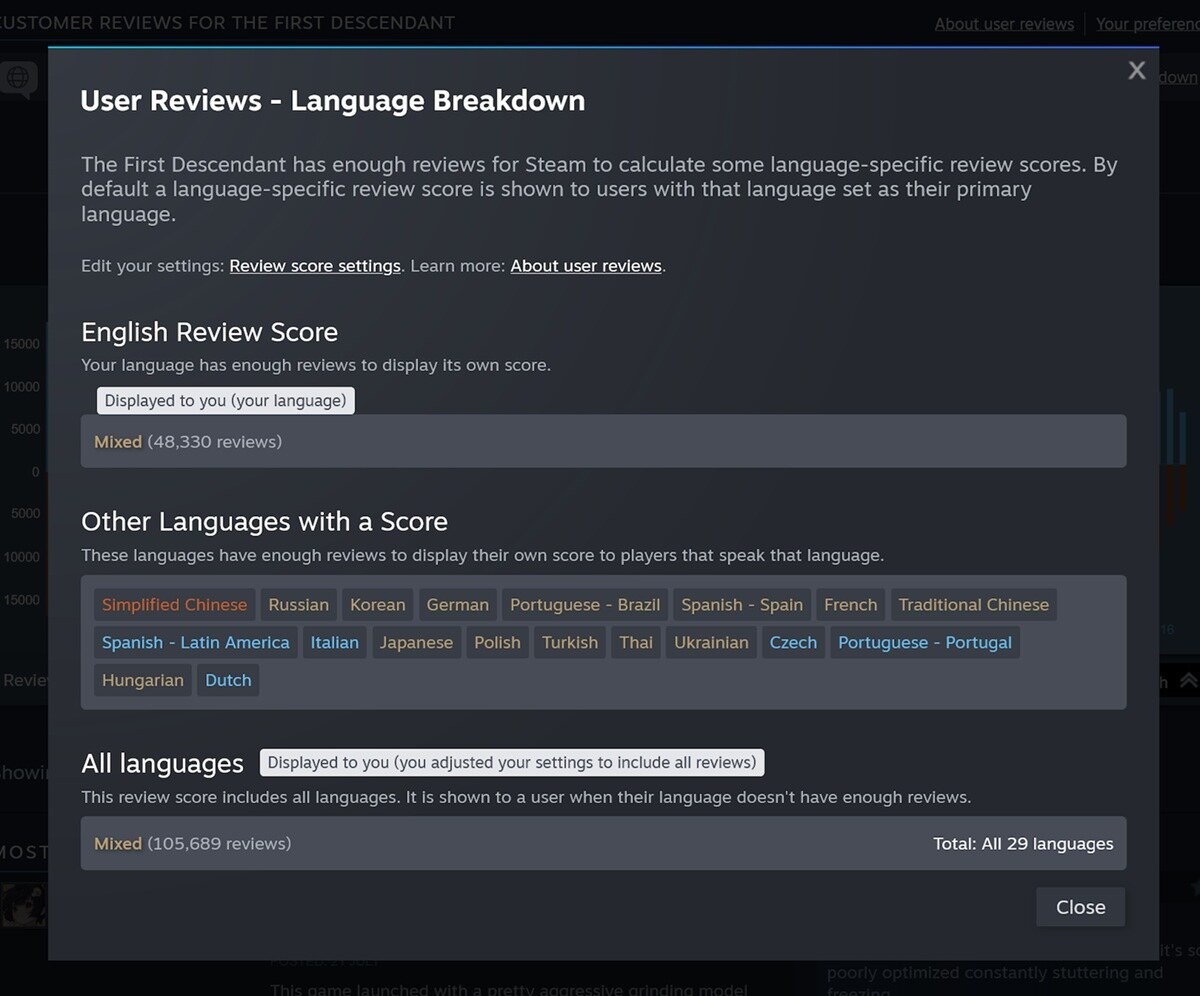
Why did such a problem arise at all? On the one hand, large publishers previously ignored Ukrainian, but after the start of a full-scale war, the number of Ukrainian players who began to massively demand the inclusion of our language in new releases increased sharply. Steam statistics confirm this: the share of users with a Ukrainian interface in about 500 days grew from 0,17% to 0,56% and rose from 23rd to much higher positions. On the other hand, the fact of the war itself did not stop those from the aggressor country from wanting to make money on the new market. Some Russian localization studios quickly offered their Ukrainian translation services, taking advantage of the fact that many customers are not too concerned about the origin of the contractor. As Yulia Ventskovska, CEO of the Ukrainian localization company MK:translations, notes, market participants are reluctant to disclose details about the ownership structure:
«Those who knowingly cooperate with Russian contractors do not advertise this, and those who learn about it indirectly are often limited by NDAs. When a company with Russian roots is „repackaged“ or relocated, its origin is not always visible and not always properly verified.»
In other words, many Russian firms disguise themselves as international ones, changing their registration and language of communication, which makes them difficult to detect.
It turned out that Russian agencies quickly realized that Ukrainian localization could become their «Trojan horse.» By adding Ukrainian to the list of their services (most often in a package with other languages), they present themselves to publishers as «theirs.»
Often, such companies hire Ukrainian freelancers or editors to create the appearance that the translation is being done by native speakers.
«Rarely does anyone choose a contractor only for Ukrainian; more often they hire one for several languages. Russian agencies take advantage of this — they hire Ukrainian translators for «international» companies, adding Ukrainian to their list of languages to look «theirs,» confirms Yulia.
Thus, on the wave of patriotic demand from Ukrainians, Russian studios got a chance to make money, often dumping prices and offering a speed that young Ukrainian studios find difficult to compete with.
Real cases: how «Russian» creeps into Ukrainian translations
After 2022, there have been several high-profile cases where Ukrainian localization for a game was performed by contractors with a Russian footprint. Here are a few illustrative examples that caused a resonance in the community:
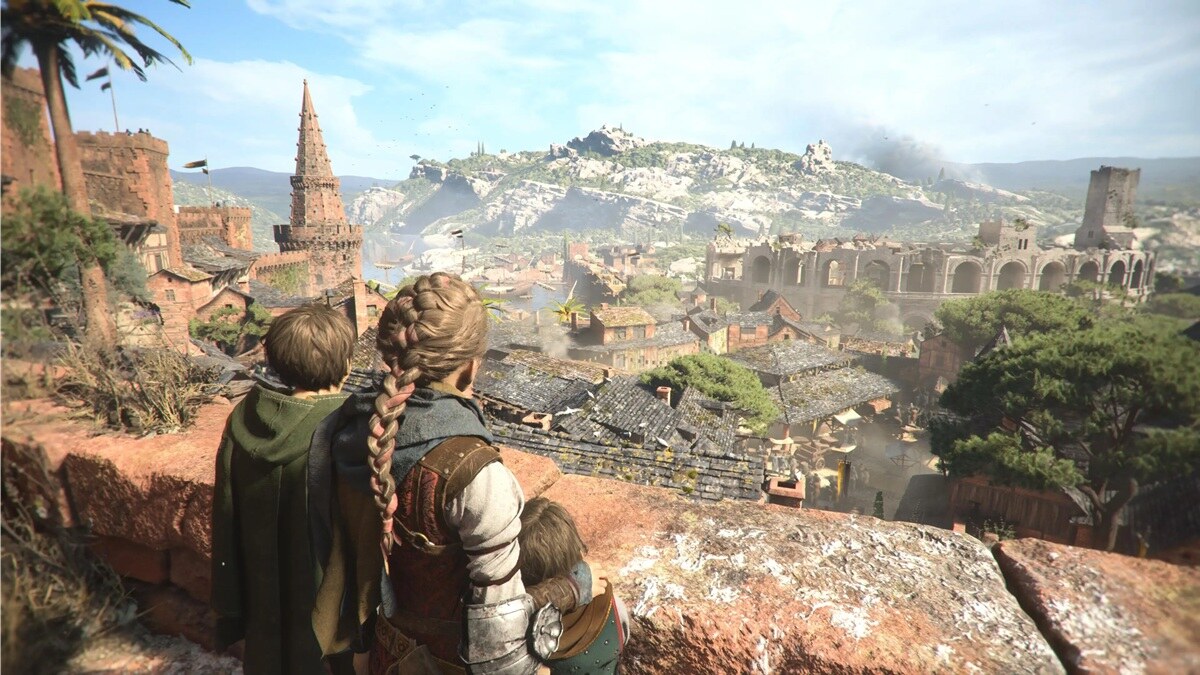
A Plague Tale: Requiem (2023) is an adventure game by the French Asobo Studio, published by Focus Entertainment. Ukrainian text localization was added in the summer of 2023, and almost immediately it became clear that the translation was done by the Russian studio Allcorrect.
Formally, Allcorrect is an international company with an office in Dublin, but in fact it is a typical Russian office, which until February 24, 2022 openly worked with most Russian developers, had an office in Samara, and after the war began, simply removed mentions of the Russian Federation from its website. The core of the team still consists of Russians. Moreover, Allcorrect managed to complete six Ukrainian localization projects in 2022-23.
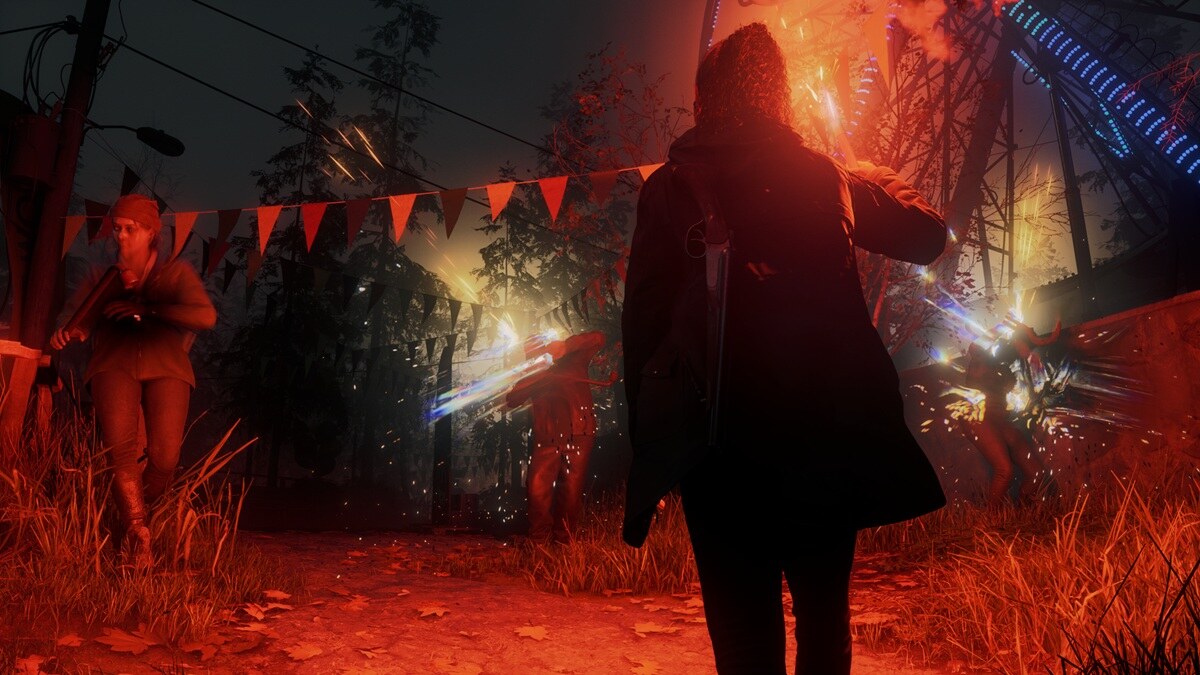
Alan Wake 2 (2023) is a horror game from Finnish Remedy. The game was released with Ukrainian subtitles, but the players' joy quickly turned into shock: the translation turned out to be of terrible quality, as if machine-made. The phrase «you forgot UFO coverups» in the Ukrainian version turned into a meaningless «you forgot about UFO covers», which clearly indicated a literal translation via Google Translate. Soon, enthusiasts found confirmation: in the final credits, Russian names were listed among the localizers, not associated with any well-known studio. That is, the performers were hired as freelancers and their competence was not checked.
There is no quality control (LQA) and the result was dozens of errors and typos, which players entered into a special online table on their own. It also turned out that the contractor was a large outsourcing company Keywords, which engaged Russian freelancers for the Ukrainian translation (for example, the project manager turned out to be from the Moscow company ITI Europe). Although Ukrainian translators were also involved in the work, it obviously did not save the situation. A scandal erupted among the community: how could a Western publisher entrust Ukrainian localization to those who do not speak the language? This question was massively addressed to the developer (Remedy) on social networks. As a result, players demanded, if not to «cancel» the game, then at least to correct the translation and to continue to involve only professional Ukrainian localizers in the Ukrainian versions, and not Russians. However, a full official «relocalization» never happened: the problem was partially taken on by the community, which collected a database of errors and created fan mods with their own text edits, while later, in the DLC The Lake House, the story with poor-quality Ukrainian localization and the participation of Russian contractors actually repeated itself.
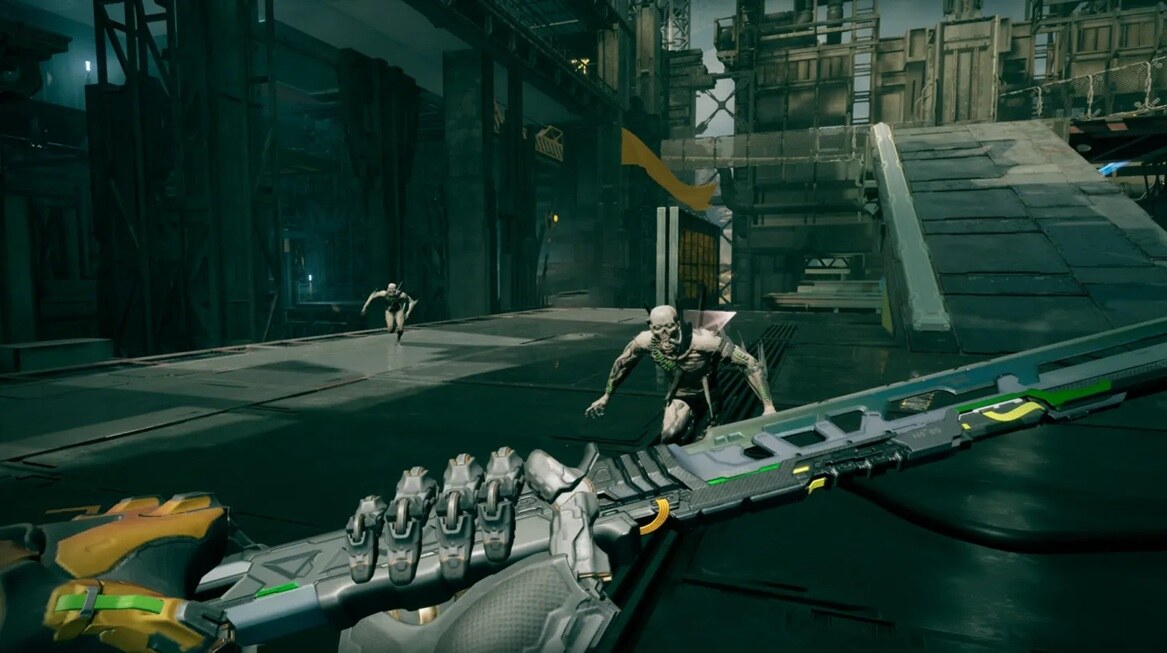
Ghostrunner 2 (2023) — a cyberpunk action game by the Polish studio One More Level (published by 505 Games) was also released with Ukrainian subtitles. But here too, fans were disappointed with the quality of the translation — the text was full of errors and Russifications. An investigation by PlayUA revealed the reason: the localization was performed by PTB Eurotransl, which is formally registered in Estonia, but is actually a «St. Petersburg translation bureau.»
The employees’ LinkedIn profiles (though they were quickly edited after the revelation) and the abbreviation PTB (Petersburg Translation Bureau) itself indicated their Russian roots. In other words, the Russian company pretended to be European in order to get a contract, but failed with quality. This case has become a textbook case — gamers now cite Ghostrunner 2 as an example of what happens when the wrong people are entrusted with translation.
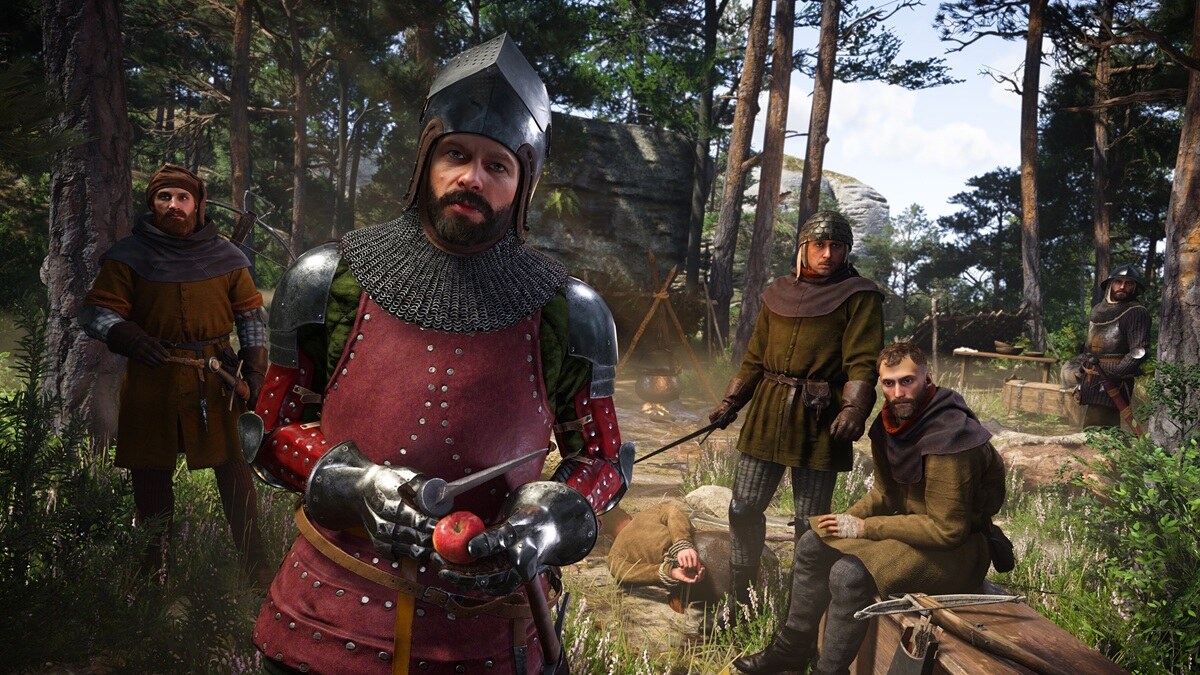
Kingdom Come: Deliverance 2 (2025) is a role-playing game from the Czech Warhorse Studios. The first part of Kingdom Come: Deliverance at one time received a Ukrainian translation only thanks to a fan localization, which the developers later included in the game as an official one, so expectations for the quality and «purity» of the translation were especially high for the sequel. Here the situation is more complicated: the Ukrainian localization was performed by the international contractor Riotloc (Lithuania).
The first alarm bell for the community was that the main character’s name was not translated as Henry, but in the Russian manner — Indro, so players took a closer look at the localization performers. However, attentive players noticed in the credits that among the project managers there are people with Russian surnames who studied at Moscow universities. This raised a wave of questions: are Russians involved again? As it turned out, Riotloc does indeed have employees from the Russian Federation on its staff, as it also provides Russian translation services (formally positioning itself as an «international team of localizers»).
These cases are not isolated. In smaller projects, Ukrainian is still being outsourced to Russian contractors, often through large intermediary agencies. New Ukrainian studios are forced to compete with companies that have been sitting on large contracts for years and are now simply undercutting prices.
In the Ukrainian gaming community, this phenomenon is perceived painfully. Indignation is caused not only by the actions of the Russians, but also by our compatriots who agree to work for them. The administrator of the volunteer localization community «Solov’ina» Dmytro shares his emotions: people are shocked that there are Ukrainians who cooperated with the Russians during the war.
«Just think, a person, excuse me, is being shelled, and he sits there writing news for the Russians. These are the people who also sit there and do localizations… To put it simply, because, excuse me, they’re idiots.»
Dmytro suggests that Russian studios lure clients and translators with money and promises: they offer the publisher to do Ukrainian «in company» with Russian, sometimes almost for free, just to get on the project. And some Ukrainian specialists, unfortunately, are led to these offers due to financial difficulties or shortsightedness. As a result, «Russian» agencies make a profit, and Ukrainian localization can be associated with poor quality in the eyes of the world.
How to recognize the «Russian trace»: a checklist for checking a contractor
No matter how well a Russian company disguises itself, an attentive customer or activist can detect its traces. It is worth paying attention to a number of clear signs. Here is a kind of checklist that will help you quickly assess the origin of a localization company:
Legal registration. If Russia or Belarus appears in open data, then everything is obvious. But even if the jurisdiction is supposedly «clean» (for example, Cyprus, Estonia, Ireland), it is worth digging deeper. It happens that the company was created abroad only recently, and previously it existed in the Russian Federation under a different name. The Wayback Machine and business registers will help: for example, an analysis of the Allcorrect website showed that until 2022 they openly called themselves a Russian company, and after February 24 they quickly removed mentions of Samara and switched to English.
Ultimate beneficiaries and team. Look for the names of the founders, owners, directors in open sources. Who are these people by nationality, where did they live and work before? If they are from Russia, or if a significant part of the team is Russian, who even after 2022 are physically in the Russian Federation, then you probably have a «Russian» office in front of you. For example, PTB Eurotransl gave itself away with the abbreviation (PTB = Petersburg) and profiles of employees from St. Petersburg on LinkedIn. Another well-known studio, Logrus IT, although now positioned internationally (it even has an office in Kyiv), but its founders and background are purely Russian. Such facts do not lie on the surface, and 15 minutes of Google and LinkedIn intelligence often work wonders.
Bank details and finances. If the account is opened in a bank operating in the Russian Federation or in the occupied territories, or in jurisdictions «friendly» to the Kremlin (for example, Armenian, Kazakh banks, which are known for servicing payments in rubles), you should be wary. Also, the currency of payments: the requirement to pay in rubles is a 100% marker, but even euros or dollars do not guarantee purity if the intermediary bank is under sanctions. After 2022, major players are trying not to work with banks with a Russian footprint, so contractors from the Russian Federation can invent complex payment schemes through a third country, cryptocurrency, etc.
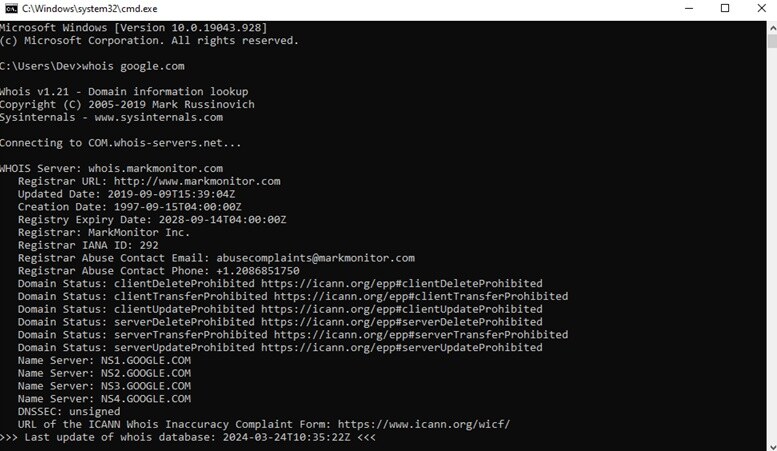
Digital traces. WHOIS information about the domain will show when and where it was registered, to whom it was issued. If the domain is newly imported or the owner is hidden, it is suspicious. Try to find old versions of the site through web.archive.org. Sometimes you can see there that until a certain date the site was in Russian, had an address in Moscow or a .ru domain, and then all this disappeared. Also, look at the «About Us» and «Our Team» sections: are there offices in the Russian Federation indicated, are there any Russian clients in the portfolio? By the way, about the portfolio: if the projects completed by 2022 include mostly Russian games or cooperation with Russian publishers, then the origin is obvious, even if the company has now changed its name. For example, Allcorrect used to be proud of working with «mostly Russian developers,» but now these lines have been erased.
Cooperation processes. Sometimes even little things can betray the «Russian spirit.» Take a closer look at the contractor’s communication style and requirements. Does the time zone for calls suddenly coincide with Moscow? Documents (contracts, NDAs) are full of English wording, but with an obvious literal translation from Russian legal language? Managers always answer in broken English, never in Ukrainian? Or maybe they ask for access or data that is usually not needed, referring to «security standards» — it could also be an attempt to hide geography (for example, they require the use of a VPN so that we don’t find out where they are connecting from). Of course, each such sign alone does not prove guilt, but the combination of factors should be alarming.
Checking sanctions lists. After all, no one has canceled the basic tools. Run the name of the company and its key individuals through public sanctions databases (USA, EU, Ukraine). If it turns out that the persons subject to sanctions or the legal entity itself is mentioned in the sanctions lists, cooperation is impossible by definition. Although frankly sanctioned companies are unlikely to offer services openly, it is worth checking to avoid reputational damage.
Applying these rules will help to weed out most risky options. As Yulia Ventskovska says, the algorithm for checking contractors should be simple and rigorous: legal address, details, domain, open registers, sanctions, everything must inspire trust, otherwise it is better to look for another contractor. Many large clients already do this:
«For large international clients, the origin of the contractor really matters — they check whether the company is registered in a „clean“ jurisdiction and whether it has any ties to the aggressor state. Some conducted due diligence: requested documents on jurisdiction, registration history, changes in statutory data.»
Why do Western publishers still choose Russian contractors?
From the point of view of a Ukrainian, the situation looks absurd: why give Ukrainian localization to the Russians, especially in wartime? But for many foreign companies this nuance is invisible. Here are the main reasons why this happens:
Inertia and old agreements
Many publishers had localization schemes developed over the years, involving Russian agencies. Even before the war, the same Allcorrect, Logrus, Riotloc successfully provided translations into dozens of languages for Ubisoft, EA, Bethesda, and others. When Ukrainian suddenly became part of their localization plan, it was logical (though unfortunate) that the publisher simply turned to an already familiar contractor: «expand the contract, add Ukrainian.» And if a framework agreement with such a vendor is in effect, it is extended so as not to look for a new one from scratch. Simply put, the average producer will choose a familiar path, even if it leads to circumventing ethics. In Western business culture, there is no practice of «banning» a company for its country of origin, if everything is legally clean. There may not be sanctions against a specific performer, so formally there are no reasons to refuse. Cancel culture based on a passport practically does not work in the field of B2B services.
«If there are no legal obstacles, usually no one bothers with questions of real origin… The place of registration is Cyprus. Anyway, what questions can there be?» SBT Localization notes.
Price and speed
Russian agencies often offer dumping conditions. They have large human resources (including hiring some Ukrainian translators) and can take on a project of any size on a «turnkey» basis. This is convenient for the publisher: one contractor covers 5-10 languages at once, promises to do it quickly and cheaply, and even throw in Ukrainian as a «bonus». There is evidence that some agencies literally offered Ukrainian translation for free, if only they would be hired for the entire volume of work. Of course, Ukrainian studios cannot afford to work at a loss, so price competition often plays into the hands of the Russians. As a result, customers chase savings without thinking about the consequences. Saving on quality translators turns into a failure like Alan Wake 2. One factor, namely the large pools of translators among Russians, also plays a role: they can simultaneously translate hundreds of thousands of words into a dozen languages, which attracts large publishers with large-scale releases.
«Package» orders and intermediaries
As already mentioned, Ukrainian is rarely ordered separately. When planning a release, a Western publisher usually makes a list of, say, 8-12 languages. In order not to look for different suppliers for each language, it is easier to entrust the entire package to one large agency. And that agency itself decides who to cover each locale with. And here the game of hide-and-seek begins: if the main contractor is supposedly a European studio, it can quietly subcontract Ukrainian to the Russians (because they offered a lower price). Or vice versa, a Russian agency, pretending to be European, directly takes orders for all languages and also hires someone on the side for individual regions. As a result, the end client does not even guess who actually translated the game into Ukrainian. For example, Remedy entrusted the localization to Keywords, Keywords recruited freelancers, and among them were Russians.
Wrong KPIs when choosing
If the customer evaluates potential contractors only by the cost of translation per word or the speed of execution, but does not take into account the quality of localization (for example, the absence of serious errors, adequacy of style, LQA results), Russian companies easily win. Their commercial offers almost always look attractive on paper. The problems begin later, when the game is released and users encounter absurd phrases or crooked translation. Unfortunately, many corporations do not have clear localization quality metrics. They may not even hire separate third-party testers to check the Ukrainian text, relying on the assurances of the performer. The cases of Alan Wake 2 and Ghostrunner 2 became a cold shower rather for the Ukrainian community than for the industry itself: there were no loud public apologies or promises to completely redo the Ukrainian localization, and in Alan Wake 2 similar problems were repeated in the addition The Lake House. In the long run, poor localization hurts the game’s reputation and reduces market reach, but this damage is not always immediately apparent, so it is often overlooked. At the same time, the right approaches (engaging experienced Ukrainian localizers, double-checking the text, focus testing on native speakers) require time and money, which not everyone is willing to spend.
As we can see, there are several reasons: from banal ignorance or laziness of the customer to purely pragmatic calculations. SBT Localization comments that in most cases there is no malicious intent in giving the project to the Russians:
«It’s just that not everyone is that interested in delving into who’s there and what… everyone wants it cheap and fast.»
Western managers may not even be aware of the political background, because for them it is a question of outsourcing, nothing more. But gradually the situation is changing. Scandals raised by players attract the attention of developers. The media write revealing articles. Reputational risks are growing. Already now, the industry is hearing the opinion that developers should understand that it is necessary to involve reputable Ukrainian localizers in Ukrainian localization, not Russians who do not know the language.
In other words, the principle of «Ukraine above all else» is slowly reaching business ears in the West, although there is still a lot of work ahead.
What the industry should do: recipes for publishers and studios
The problem of «Russian» localizers is a challenge not only for Ukrainian translators, but also for localization customers themselves. How can publishers and developers ensure the Ukrainian language in their games without toxic consequences? Here are a few steps that experts talk about:
If the company is large and practices tender selection of localization partners, it is worth clearly prescribing the criteria for «purity». For example: only companies registered in jurisdictions that are not under sanctions are allowed to participate. Final beneficiaries must be citizens of countries not related to the aggressor. Mandatory disclosure of information about the presence of offices/staff in the Russian Federation or Belarus. Such requirements will immediately weed out odious cases.
Of course, papers can be forged, but checking documents (the same due diligence with a request for registration data, company history) can identify «newly minted Cypriots». If the contractor is transparent and has nothing to hide, then he will calmly provide all the certificates and references. For the customer, this is an additional hassle, but peace of mind and reputational security.
Often the main supplier looks completely normal, but further down the chain a «gray horse» appears. Therefore, when concluding a contract, it is worth insisting on the point: no subcontractor can be involved without the customer’s consent. Or at least the main contractor is obliged to disclose who exactly (which freelancers, studios) will make each language version. In the case of Ukrainian, this is critical. If the partner knows that his choice will be under control, he will think twice about hiring a dubious studio for the project. Some Western companies have already started to apply this principle, especially when it comes to sensitive markets. In addition, the publisher can always insist on a specific contractor: for example, tell a large intermediary agency to give the Ukrainian one to a proven Ukrainian union, and not to just anyone. It is quite possible to fix this in the contract.
The Ukrainian localization community could also help publishers by creating a kind of «white-list» of reliable Ukrainian suppliers and a «black-list» of violators. The white list would include companies that have proven themselves with high-quality translations and confirmed the absence of ties to the Russian Federation. The black list, on the contrary, would include those who were caught lying about their origin or making frankly bad translations. So far, such lists exist informally.
However, for the mass market, a more formal guideline is needed. In short, a publisher can quickly reduce risk by checking five key points about any candidate:
Country of registration and offices: no Russian Federation/Republic of Belarus or suspicious «offshore havens».
Owners and key individuals: beneficiaries are not related to the aggressor state, managers do not have Russian passports.
Reputation in the market: portfolio is free of Russian projects after 2022, the company’s public position on the war (neutral or pro-Ukrainian).
Financial transparency: accounts in reliable Western banks, no «strange» payment schemes, the company has not been caught evading sanctions.
Level of expertise: availability of experienced Ukrainian-speaking translators in the team, feedback on the quality of work from the Ukrainian community.
Compliance with these points will cut off 90% of Russian «imposters». Yes, these are additional efforts, but they are worth it: the publisher receives a quality product, good reviews from Ukrainian players and avoids scandals. After all, as Ukrainian localizers emphasize, success comes through the formula quality + speed + transparency + competitive price. If the industry develops a common understanding of standards, then the price of the issue will become fair, and unscrupulous players will leave the market.
It is worth noting that some large companies are already taking a principled approach: they conduct an audit of contractors before cooperation, ask to confirm jurisdiction, check whether the studio has not «fled» from Russia only on paper. Unfortunately, for now, these are rather exceptions. However, under pressure from the community, such requirements may become the norm. For Western partners, this is not only a matter of morality, but also of risk management: Russian business is toxic, unreliable and may be subject to sanctions at any moment.
What can a simple player do?
If you find out that the Ukrainian localization of the game was done by a dubious company with Russian roots, then speak out about it.
Spread the word, leave reviews on Steam and console stores, write on Reddit and Discord, briefly explaining why this is unacceptable.
Game studios are very sensitive to public noise, as it is harder to ignore than formal complaints.
Ask developers and publishers to add Ukrainian localization from normal contractors. This can be done through letters, social networks, comments under announcements. A few sentences in English about why the Ukrainian language is important to us and why the translation should be done by a Ukrainian, not a Russian, is enough.
The best way to displace Russians is to support your own. If you see a game with high-quality Ukrainian localization from a Ukrainian studio, note it in reviews, mention it on social networks, and recommend it to your friends. The same goes for fan translations: enthusiasts often do Ukrainianizations at their own expense, and donations to such projects help develop the localization culture and tools for translators.
If the game has already been released with questionable localization, record specific problems. Especially Russisms, Soviet names, incorrect or hidden pro-Russian wording. Take screenshots, describe the situation on the official forums and in the game’s support.
And finally, vote with your wallet. If you know that the official Ukrainian version was made by a toxic company, you should think twice about buying the game and supporting it with hryvnia. It is often better to wait for the fan Ukrainianization and support those who made it. And vice versa: when a publisher adds honest and high-quality Ukrainian, it is important to reward it with a purchase, DLC, merchandise, or at least a positive review. The signal «sales increased after adding Ukrainian localization» is the most convincing argument for the industry.
«Навіть для виробників трун і пам’ятників я писав тексти». Як стати game-тестувальником під час війни: історія колишнього металурга, страховика, копірайтера
34-річний Андрій Зубков під час війни увійшов в IT, докорінно змінивши свою кар'єру і буденне життя. Тепер він QA Engineer у компанії Pingle Game Studio — тестує ігри. А до цього працював на металургійному комбінаті, в страхуванні та навіть копірайтером. Свою історію про вхід в нове життя Андрій розповів dev.ua.
Хто такий Unity Developer: основні задачі, обов’язки та зона відповідальності. Огляд професії від Team Lead Unity у Pingle Game Studio
Продовжуємо цикл матеріалів про ІТ-спеціальності. Кожну описує «типовий представник» — досвідчений фахівець і просто авторитетний колега, та сама людина, яка знає всі таємні куточки своєї професії. Ми сподіваємося, ці матеріали допоможуть школярам, студентам, перекваліфікантам, студентам і всім тим, хто зацікавлений у виборі ІТ-спеціальності. Цикл не тільки допоможе оцінити перспективи, а й дасть можливість краще зрозуміти індустрію і особливості професії зсередини. Обговорюйте і доповнюйте матеріал в коментарях, щоб зробити його ще корисніше.
Про професію Unity Developer розповідає Володимир Мельничук, Team Lead Unity у Pingle Game Studio.