Хочете будувати кар’єру в Data Science та AI? Vodafone Big Data Lab відкриває новий набір —>
Олег ОнопрієнкоGameDev Eng
4 August 2026, 13:53
2026-08-04
Ukrainian indie studio Effort2Pixel is developing its own dark fantasy RPG Anchorite: Heritage Ascension, inspired by Larian games
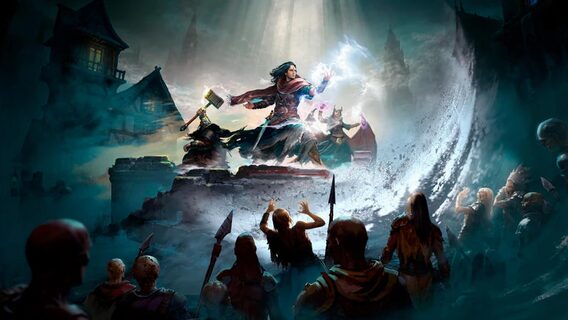
Anchorite: Heritage Ascension is a single-player story-driven role-playing game set in a dark fantasy setting that combines deep turn-based combat and settlement management elements.
Anchorite: Heritage Ascension is a single-player story-driven role-playing game set in a dark fantasy setting that combines deep turn-based combat and settlement management elements.
The official announcement and production details were announced by the studio's founder and game director, Max Plekhanov, on the DOU community forum.
According to him, development has been ongoing for over a year in a non-public format. The project is being created on the basis of the Unreal Engine 5 engine, and the main ideological reference point for the team has been Larian studio projects, in particular Divinity: Original Sin 2.
The game takes place in the bleak world of Outworld. The player takes on the role of Edfred, a bastard of a local lord who must revive his family legacy. The game mechanics involve building a dilapidated settlement, where the player must balance the needs of the people, the nobility, and the available resources, while simultaneously creating guard units to control the territories.
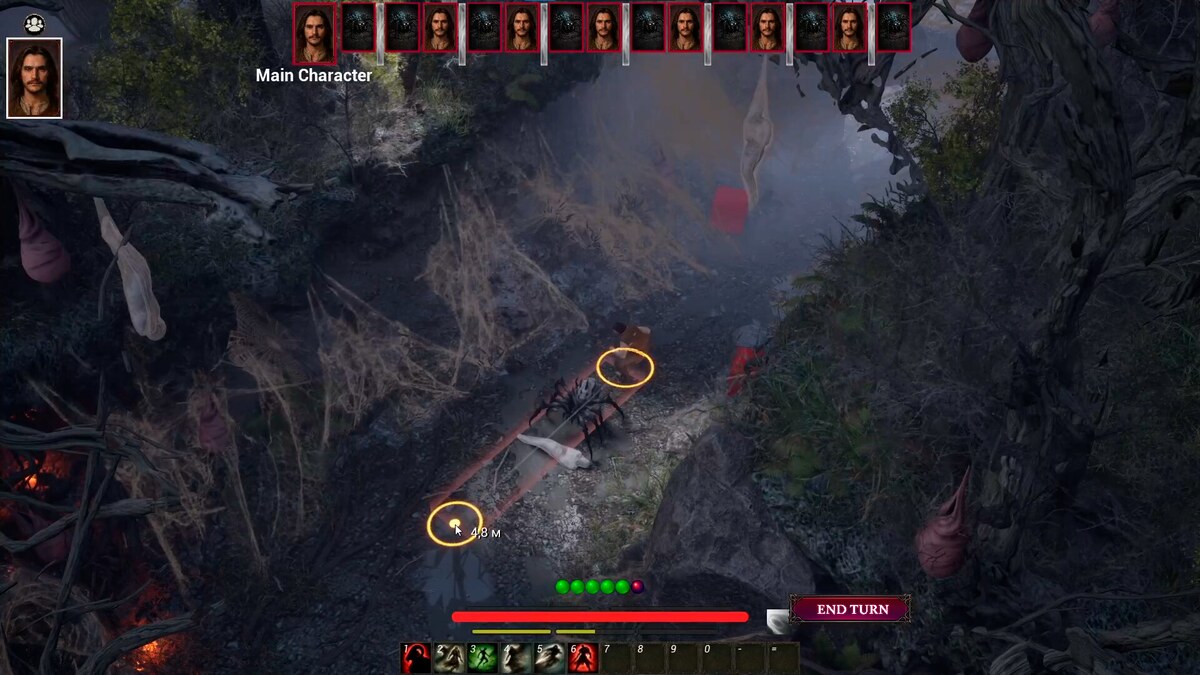
The combat system of the project is declared as turn-based and tactical, without strict restrictions in the form of character classes. Players will be able to freely combine skills, spells, as well as use the features of the terrain and interactive properties of the arenas. The developers place special emphasis on the non-linearity of events and the lack of a clear division into good and evil when making decisions.
The game is currently in the Proof of Concept stage, moving towards creating a minimum viable product (MVP). Responding to possible community concerns about choosing the Unreal Engine 5, which is difficult for small teams, Plekhanov explained this by the developers' previous experience.
“Most of the team has been working with Unreal Engine for many years, so we can focus not on learning a new tool, but directly on creating the game. We understand both the strengths and weaknesses of the engine well,” the game director noted.
He also emphasized that Ukrainian localization is a key priority for the team, but its full implementation will depend on the availability of resources in the final stages of production.