Хочете будувати кар’єру в Data Science та AI? Vodafone Big Data Lab відкриває новий набір —>
Олексій ДзюбаWar
11 December 2024, 09:10
2024-12-11
"Innovation alone is not enough to attract investment." Why are Western investors in no hurry to invest in Ukrainian miltech, which is experiencing its best time
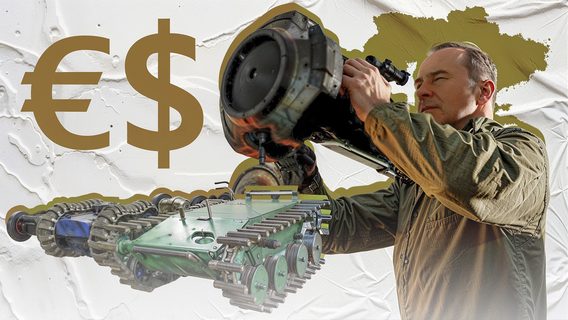
Last month, tech entrepreneur Yaroslav Azhnyuk raised an interesting topic, comparing venture capital investments in his startup Petcube and in Ukrainian defense-tech during 2.5 years of full-scale war. It turned out that the startup "won". That is, investors believe more in a laser for playing with cats than, say, in a fiber-optic drone that destroys invaders.
It would seem that Western investors should now be fiercely interested in Ukrainian miltech, which is developing rapidly due to the challenges of war and is able to test the product practically on the battlefield. However, the desired "boom" is not observed.
Therefore, together with investors, specialized experts, participants of the Ukrainian venture market and the public sector, we decided to find out why this is happening and what Ukrainian companies should do to attract more investors.
Last month, tech entrepreneur Yaroslav Azhnyuk raised an interesting topic, comparing venture capital investments in his startup Petcube and in Ukrainian defense-tech during 2.5 years of full-scale war. It turned out that the startup "won". That is, investors believe more in a laser for playing with cats than, say, in a fiber-optic drone that destroys invaders.
It would seem that Western investors should now be fiercely interested in Ukrainian miltech, which is developing rapidly due to the challenges of war and is able to test the product practically on the battlefield. However, the desired "boom" is not observed.
Therefore, together with investors, specialized experts, participants of the Ukrainian venture market and the public sector, we decided to find out why this is happening and what Ukrainian companies should do to attract more investors.
Cats or weapons
A month ago, Yaroslav Azhniuk, the founder of Petcube, a company that develops gadgets for animals, told Army TV in an interview why, in his opinion, there are so few foreign investments in Ukrainian defense-tech startups.
"My colleagues and I estimated that over the past 2.5 years, private international investors have invested about $20 million in Ukrainian defense-tech developments. This is less than the company Petcube, in which $25 million was invested over a longer period of time. This is a company that chased cats around the house with lasers," said the entrepreneur.
He added that in this way the global private capital market had more money for a cat toy than it found money to help the Ukrainian defense sector.
"Of course, you can always do more. But for me, this is an indicator of the moral bankruptcy and myopia of our friends in the West," Azhniuk said.
The entrepreneur did not answer our clarifying questions about how to work with this story, improving it for Ukraine.
Azhnyuk: "Over the past 2.5 years, private international investors have invested $20 million in Ukrainian defense-tech, and a total of $25 million was invested in lasers that drive away cats (Petcube)"
State dimension
Probably, above we were talking about the post of the Minister of Digital Transformation Mykhailo Fedorov.
"Thanks to work with private investors and international venture funds, this year Ukrainian developers of defense innovations attracted $25+ million with the assistance of Brave1. For comparison, in 2023, the figure was $5 million," it said.
The minister added that Brave1 monthly updates the pitchbook — a directory that contains depersonalized information about 130+ companies and explains to investors how the Ukrainian system of defense innovations is organized. By the end of the year, Brave1 expects to help raise $50 million. "The more investments, the faster companies can develop and scale products," states Fedorov.
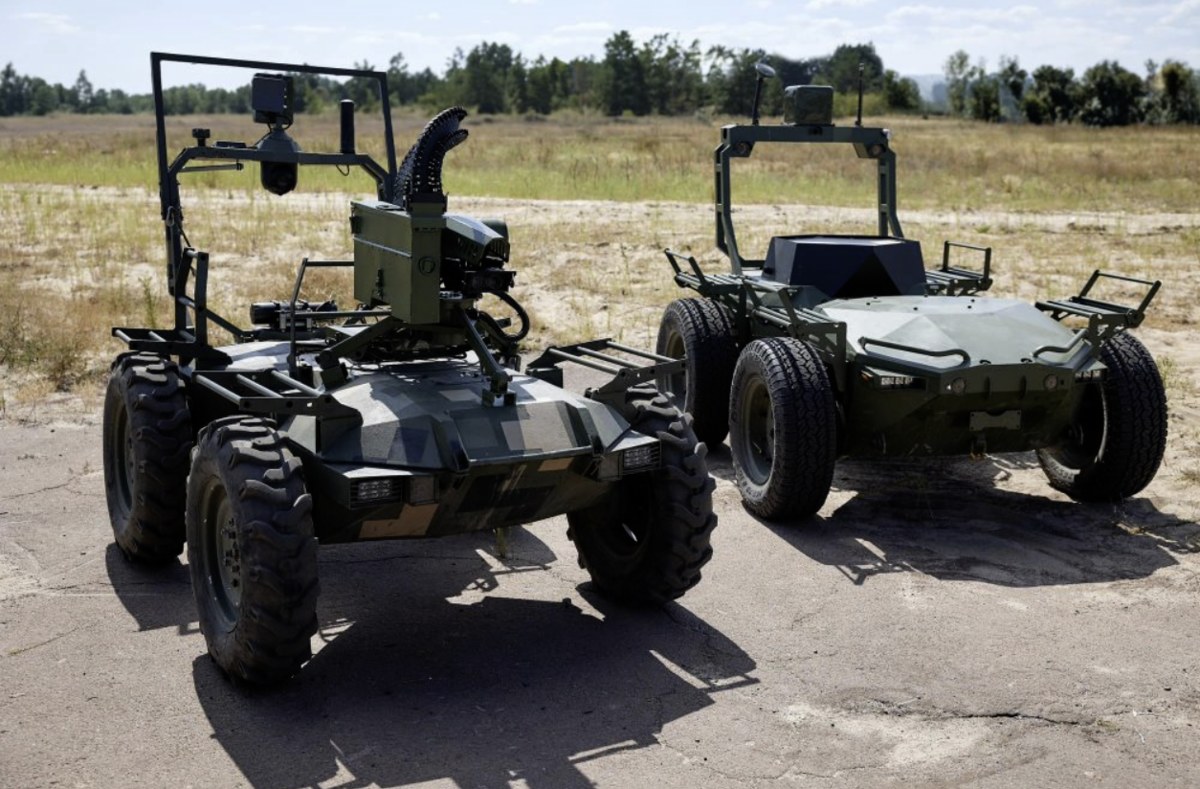
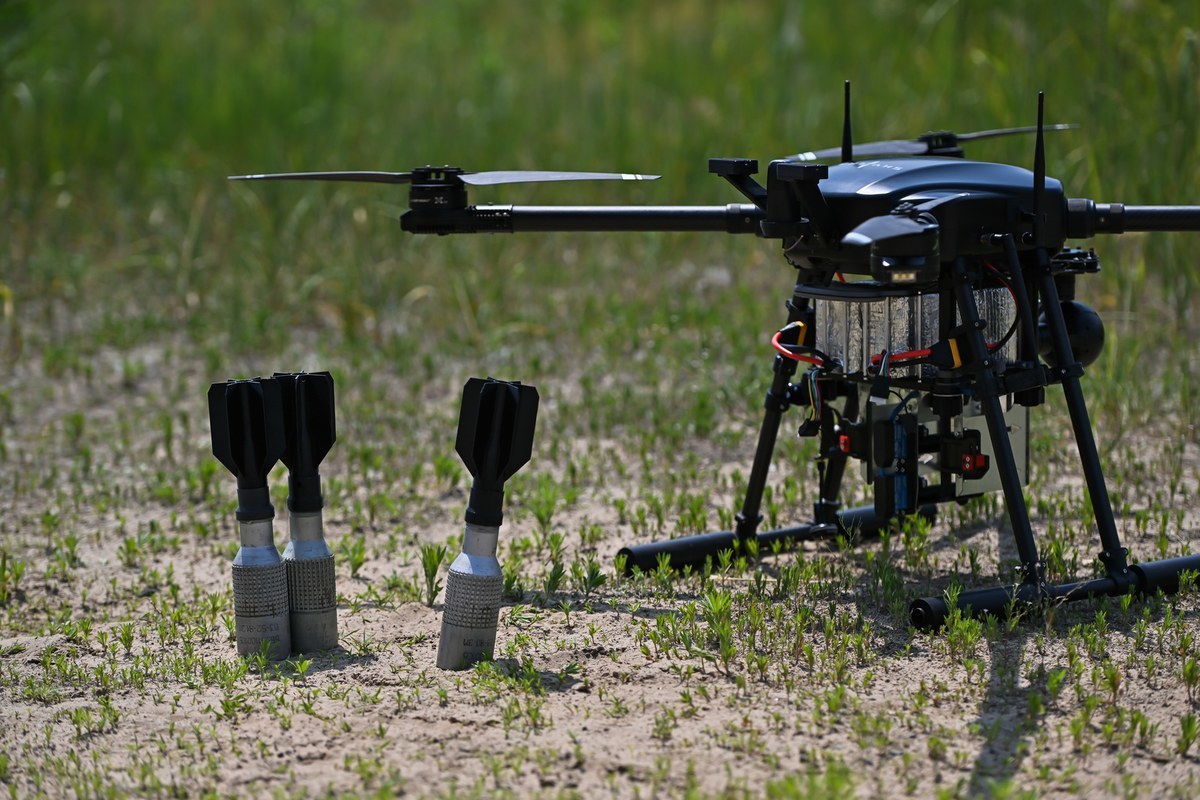
Photo — Developments that went through Brave1
In September, there was information from the same state defense-tech cluster Brave1 that foreign investments in Ukrainian defense technology startups for the past year amounted to slightly more than $9 million according to "preliminary estimates." Progress looks obvious, but is it? For comparison, in early August, the American defense technology unicorn Anduril announced a new round of defense technology funding worth $1.5 billion.
"The Ukrainian defense-tech market is still quite risky for foreign investors, because a full-scale war is ongoing in Ukraine, which constantly creates unpredictable challenges. At the same time, our market creates an extremely large number of opportunities, because Ukrainian developments are tested daily in real combat conditions and are best adapted to the realities of modern war," Artem Moroz, head of the defense tech cluster's Brave1 investment attraction department , said in a comment to dev.ua.
He adds that the cluster "sees the growing interest of investors in Ukrainian defense innovations." Yes, Brave1 already works with more than 240 investment partners from more than 30 countries and this indicator is constantly growing.
"This is transforming into real investments — by the end of this year, their volume will reach more than $50 million, which is 10 times more than in 2023," says Brave1.
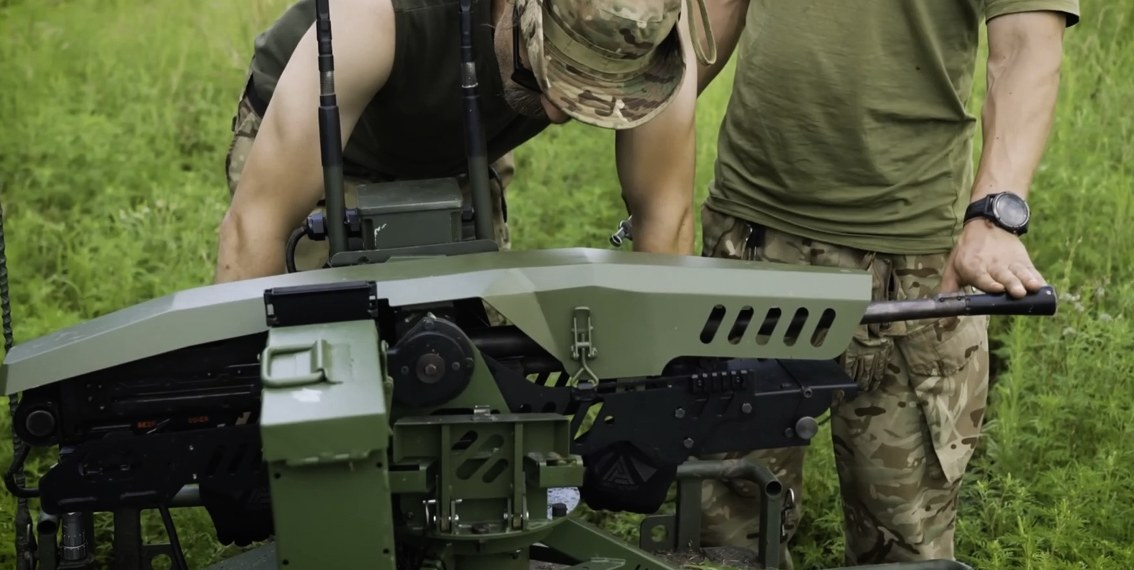
Photo — Ukrainian development — Turret "Sablia"
The cluster highlights a number of competitive advantages of Ukrainian miltech:
— Ukrainian technologies have already been tested in real combat conditions, which makes them relevant and in demand in the conditions of modern rearmament;
— Development cycles in Ukrainian teams are much shorter than those of US or European manufacturers;
— Our teams can achieve more than competitors from other countries for less money.
"We are only at the beginning of the journey, so it is too early to compare Ukrainian companies with European and American ones, because they work in different conditions and with different levels of resource provision," concluded Artem Moroz.
"Foreign investors are most interested in software for Defense Tech": the head of Brave1 on the results of the cluster's work for a year and a half and the directions in which investors are ready to invest
What does the West want?
"So far, we have seen zero interest from traditional venture capital to invest in Ukraine," said Perry Boyle, an American investor in Ukrainian arms startups, in one of his recent comments.
His project, MITS Capital, invests in and supports stable Ukrainian arms startups, the first five of which "graduated" on August 22. He admits that this is a risky approach that is a "wall" for most foreign investors. "They're not insured and they're not going to get funding," says Boyle.
Photo — Ukrainian military
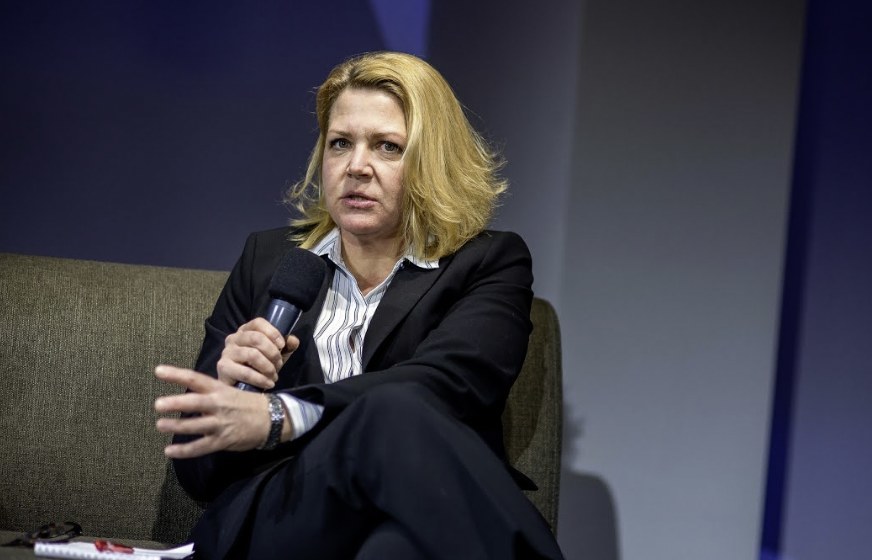
Deborah Ferlamb, co-founder of the venture fund Green Flag Ventures , which started during the full-scale invasion of the Russian Federation and invests in Ukrainian startups in the early stages, helps to better understand the logic of the work of Western venture capital funds (VC). Deborah has been living and working in Kyiv for more than 10 years, and at one time she and her team launched the Ukrainian State Startup Fund.
What is the logic of venture capital funds? Keeping a balance between risk and monetary reward.
"Making money is the main goal of a VC. Their main task remains to return the invested funds, increasing the initial investment by 5-7 times," says Deborah Ferlamb.
This can be done most profitably in the USA and Europe, the interlocutor adds.
It is also important to understand that VC is about personal relationship and business relationship. "You literally have to sit across from an investor, preferably in Silicon Valley, and show how your product is developing. If he is thousands of kilometers away from the investor and he does not see him, then he will not invest in him," explains Ferlamb, the "internal investor kitchen".
Photo by Deborah Fairlamb
Over the past 6 months, she has observed an increase in venture capital investments in Ukraine. But this happens thanks to investors from other European countries, since they are geographically closer.
"European investors can come to Ukraine and see the product firsthand, and then talk about it at home. "I'm talking about countries like Sweden, Finland, Estonia, Denmark."
"For example, there were 200-300 investors from different countries at this year's IT Arena," says the interlocutor.
12 out of 60 startups became finalists of the Startup Competition at this year's IT Arena. Here's who's up for the top prize
Along with this, Ferlamb states that there is a very rapid development of the military product in Ukraine and compares it with the period that was at the beginning of the existence of Silicon Valley.
"The private sector of Ukraine is very actively engaged in military development, this was not the case even in Israel."
Comparing the Ukrainian context with the American one, Deborah gives the example that, let's say, you as a company need 3-5 years for your development to be approved by the US Department of Defense.
Now we have to honestly understand the fact that after the aggravation of the situation in the Middle East with Israel and terrorist organizations and the elections in the USA, in which Donald Trump won, the topic of Ukraine does not sound as acute as it did in 2022. This also applies to venture funds.
"The war in Ukraine has generally changed the rules of warfare. In the West, they still do not fully understand this, saying: "Yes, these are drones, so what?". Civilians can't really imagine what war is like without experiencing it firsthand."
Photo — One of ten drones developed in Ukraine during the full-scale invasion
In her opinion, former military personnel best understand the current situation in the United States. They, in turn, say that America and the world are not ready for the war that is currently taking place in Ukraine.
"I am very optimistic about the future of Ukrainian defense and industrial companies. This is still a new sector (it didn't exist before the war) and it is expected to grow a lot, especially outside of Ukraine, once the war is over. The more people from outside of Ukraine can meet the founders, see the technologies and understand how they are used in other countries, the more these companies and markets will grow," concluded Deborah Ferlamb.
"We would like to make 5-8 investments by the end of the year." Interview with the co-founder of the fund with American roots Green Flag Ventures, which invests in Ukrainian startups during the war
Whether we win or not
"I would not say that the West does not believe in Ukrainian military developments. Moreover, the level of their scouting is increasing - this means that they have a high interest," Ivan Kaunov, the founder of the startup Buntar Aerospace, which is developing a drone with an AI module and has already attracted $1 million, says in a comment to dev.ua.
The main problem, in his opinion, is that the best innovations are born thanks to people who are in service (Ivan is one of them - ed.). "And investing in a company where the founder is in the service is very risky. We work around this problem with great difficulty. It just takes a lot of resources in communication," says the interlocutor.
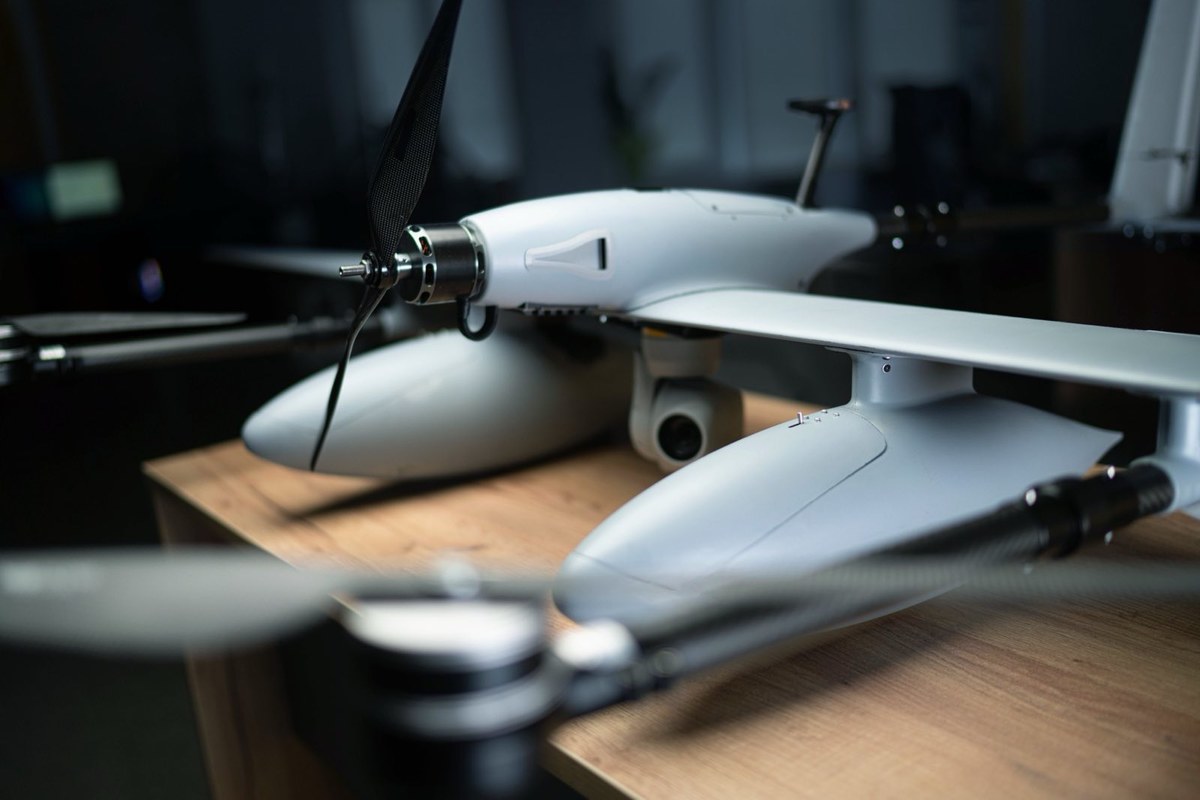
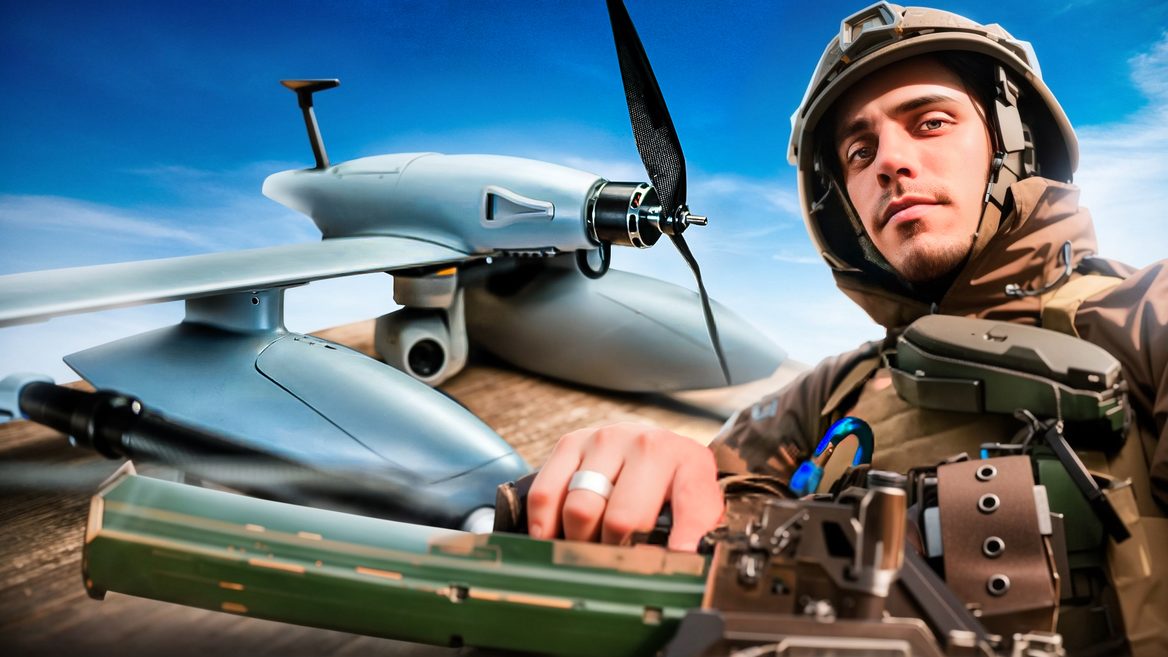
Photo — Buntar1 fromBuntar Aerospace
Less optimistic is expressed by one of the representatives of the venture sector, who commented on the topic to us on the basis of anonymity. "Investors want to see companies that have significant growth potential. The vast majority of Ukrainian defense-tech companies do not fit this criterion, because they are limited by the capacity of the Ukrainian market (after all, exports are closed)," says the expert.
Now Ukraine is planning to cancel the ban on the export of drones, since the state's resources are not enough to cover all military needs for drones, and it is necessary to attract funds for production. At the same time, Ukrainian drone manufacturers are increasingly opening factories outside the country.
"The trend of going abroad is normal, it should be used not only by companies, but also by the state." Why are Ukrainian drone manufacturers increasingly opening factories outside of Ukraine
The interlocutor also states that selling to the state is not easy. And he cites the example that defense startups in the USA receive very few contracts from the Ministry of Defense. Basically, there budgets go to big players. Therefore, only specialized funds that can help their portfolio companies conquer the market invest in defense.
"Most Ukrainian startups are pure defense-tech, with no potential for use in civilian industries. The dual-use approach looks more attractive to investors."
2 more problems, which the specialist talks about, are a small number of software solutions and a foreign market. At the expense of the first, he explains that soft is easier to scale, has lower production costs and higher margins. Therefore, software startups are more attractive to investors. But the vast majority of Ukrainian startups are hardware, which is quite logical in the conditions of war.
"In general, unfortunately, Western investors are interested in the development of their own companies, not Ukrainian ones. It is more profitable for them to test their solutions here, using feedback from the battlefield, and then sell them in their target geographies," the interlocutor said.
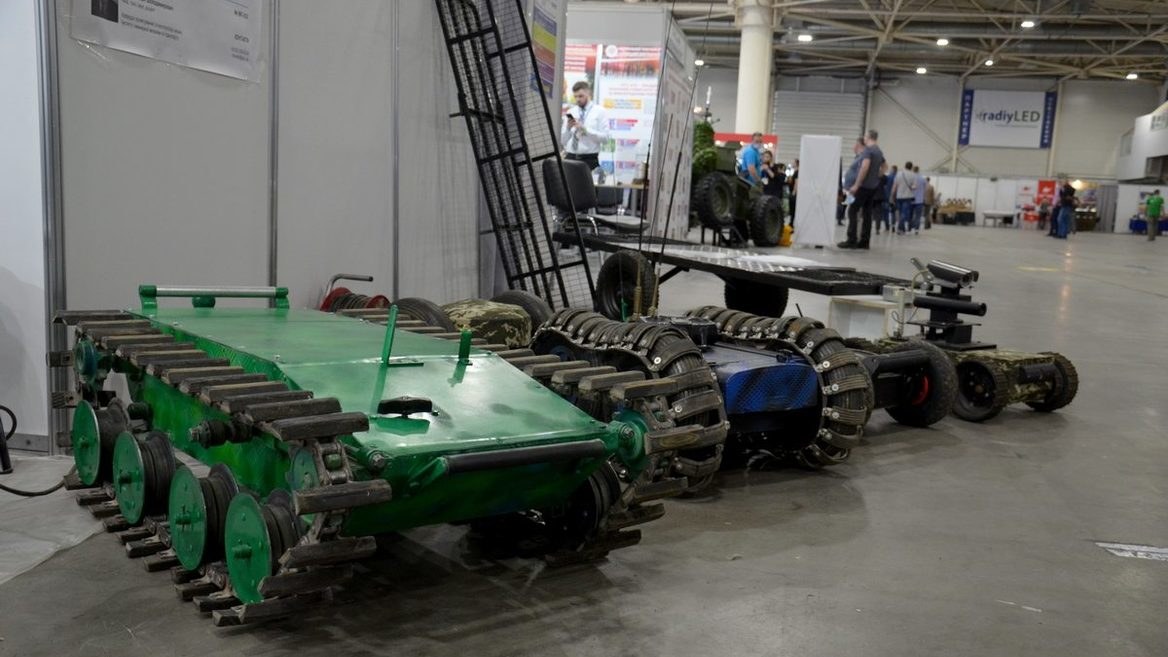
Photo — Ukrainian defense-tech developments
"Ukraine is just beginning to build the image of a defense technological country. We are now a large testing ground for real-time testing," says Kateryna Bezsudna, co-founder of the Ukrainian defense technology accelerator Defense Builder, in a comment to dev.ua.
Today, Ukrainian developers create solutions adapted to the real needs of the battlefield. They work closely with the military, test their developments, take feedback into account and improve products. Thanks to this, Ukrainian developments are strong and practical.
"Innovation alone is not enough to attract investment. Investors also take into account the investment climate in the country, the level of trust in state institutions, prospects for scaling up production and the possibility of exporting to NATO countries."
Although Western partners are gradually beginning to recognize the prospects of Ukrainian technologies, there is still a lack of understanding of the specifics of our market and a transparent mechanism for attracting foreign investments in the defense sector, says Kateryna Bezsudna.
The specialist adds that Western investors often admire Ukrainian teams and note how cool our solutions are. Many say they are ready to invest.
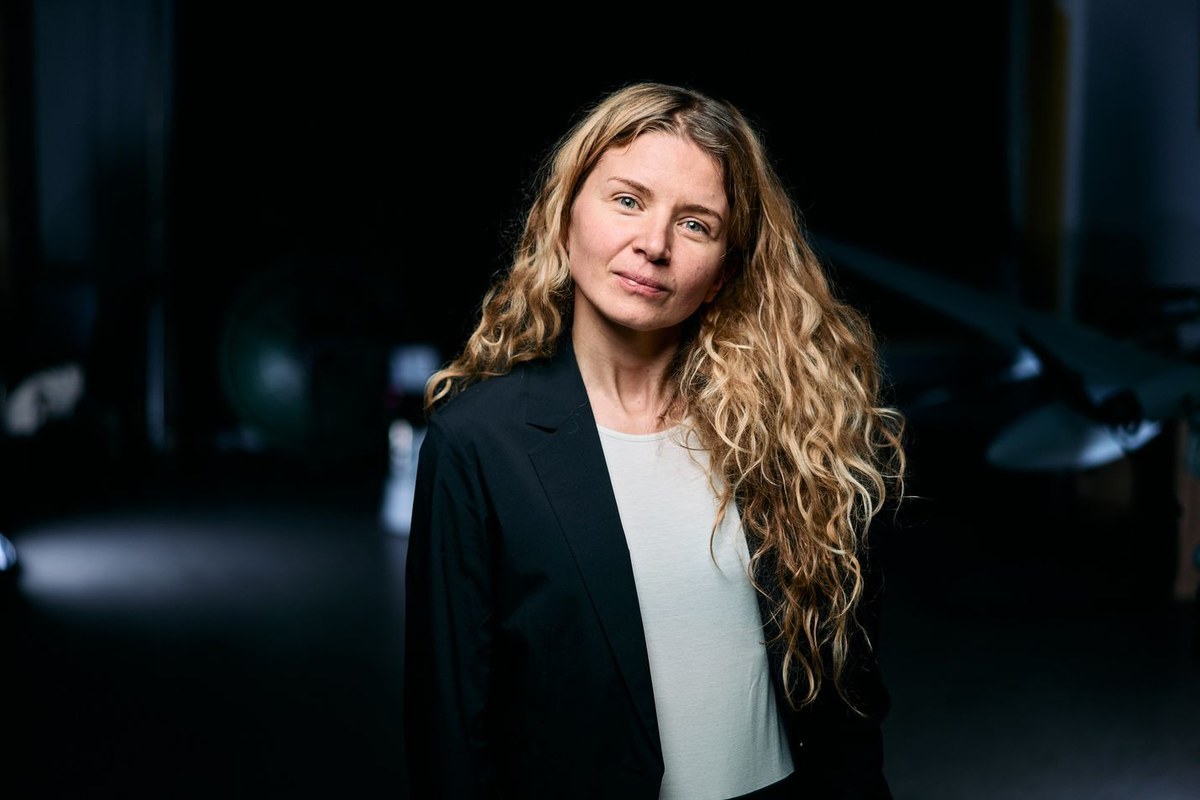
Photo — Kateryna Bezsudna
"Some are ready to invest only in dual-use development, but our teams cannot concentrate on developing the civil application of their solution. There is a war in the country and all concentration should be on defense developments."
The girl explains that her team communicated with many European foundations that support defense initiatives. They are interested in cooperation with Ukrainian developers, but their budgets are limited to projects registered on the territory of the EU. Because of this, Ukrainian startups often remain outside the scope of financial support.
Therefore, this is the solution proposed in Defense Builder:
— Opening of new VC funds in Ukraine;
— Localization of production according to the Danish system, i.e. to the local conditions of our country;
— Creation of a European defense fund with a representative office in Ukraine. Such a fund would be able to accumulate financing from European investors and direct it to the development of Ukrainian defense startups.
Even with high interest, investors often refuse to invest money. The main reasons they voice: corruption, lack of guarantees from the state. Investors are closely monitoring the political situation and fear that at some point Ukraine may lose the opportunity to produce weapons.
"But we know: even if the war is "frozen", Ukraine will not stop the development of defense technologies. This is not only our protection today, but also a guarantee of our security in the future," concluded Kateryna Bezsudna
"I started as an infantryman near Popasnaya." The story of a military inventor from Finmap who created the Buntar AI reconnaissance drone and has already received a $30,000 donation from Netpeak Group