


The trap in the search engine window. How fake "utilities", "traffic fines" and Google Ads hacking turned into a cyberfraud pipeline
The trap in the search engine window. How fake "utilities", "traffic fines" and Google Ads hacking turned into a cyberfraud pipeline
Six o’clock in the evening, the working day is coming to an end, and you decide to quickly close out small household affairs. You open a browser, type in "pay utility bills" or "check traffic fines", click on the very first link in the output and get to a familiar site. You enter your card details, wait for confirmation, and a minute later you see an error message and a request to enter an SMS code to cancel the transaction. You enter this code, and at that very moment your savings disappear.
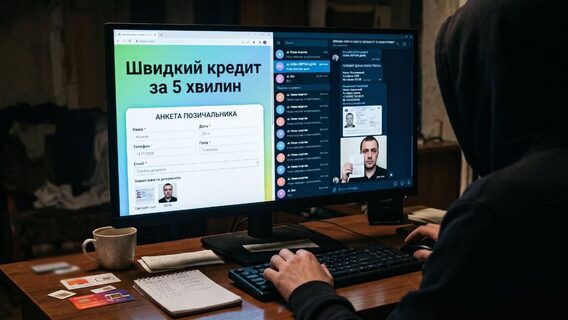
"Loan in 5 minutes without documents." How fraudsters create fake financial organizations and sell other people's identities: the anatomy of a scam
"Loan in 5 minutes without documents." How fraudsters create fake financial organizations and sell other people's identities: the anatomy of a scam
“Loan at 0% in 5 minutes. Without references, checks and with any credit history” — such an ad in the social media feed easily attracts attention. For a person who finds himself in a difficult situation or urgently needs money, this seems like a lifeline. However, experts from the Ukrainian Interbank Association of Payment Systems Members (EMA) warn: behind the beautiful banner hides one of the most dangerous digital fraud schemes. In this game, scammers aren't interested in the few hundred hryvnias that are on your card right now. Much more valuable is your digital dossier. Once they have it, they can build up real loans in your name with dozens of other companies.
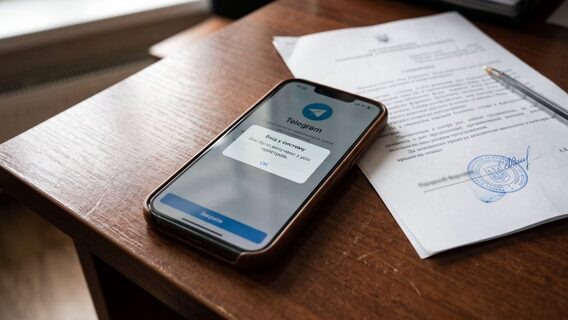
Ukrainians are being massively deprived of Telegram accounts: analysis of a real case and the main traps of scammers
Ukrainians are being massively deprived of Telegram accounts: analysis of a real case and the main traps of scammers
It all started in February 2025 in the small town of Brody in the Lviv region. An employee of a local company decided to check his Telegram account during his regular workday. But instead of the usual chats, the app greeted him with a blank login screen. A sudden logout occurred from all devices at once. An attempt to re-enter the login and password failed — someone had already locked the virtual door from the inside. A couple of minutes later, a colleague came into the office: “What are you, borrowing money? I just received a request from you to transfer 5,000 hryvnias.” Then a call came from another acquaintance, who had already been sent the card number for the transfer, and a friend wrote on Facebook with a screenshot of a request for 7,500 hryvnias. This story (which later turned into a criminal case in the Brody District Court) ended relatively well: the man quickly called his friends, and no one lost money. However, this is a classic case of how, in a few seconds of inattention, a work messenger turns into a weapon in the hands of IT fraudsters. Together with the Ukrainian Interbank Association of Payment System Members " EMA " , the dev.ua editorial team continues to talk about the most popular fraudulent schemes on the Internet. And the trap of hacking a TG account, unfortunately, happens often. So what to do?
1 comment

AI vacancies and the "pay for software" trap: How scammers disguise themselves as IT companies and extort money from Ukrainian specialists
AI vacancies and the "pay for software" trap: How scammers disguise themselves as IT companies and extort money from Ukrainian specialists
The Ukrainian IT market has encountered a new wave of sophisticated online fraud. Criminals are actively parasitizing on the artificial intelligence trend, creating the image of progressive international startups. They lure job seekers with attractive conditions, conduct quite convincing interviews, and at the onboarding stage, they drain money from bank cards under the pretext of purchasing corporate software or access to the internal knowledge base.

"Your Money is in Danger": How One Phone Call Lost a Man 71,000 UAH (and Why This Scheme Still Works)
"Your Money is in Danger": How One Phone Call Lost a Man 71,000 UAH (and Why This Scheme Still Works)
It was a common manipulation technique, played out like a musical score. It all started in the classic way of a modern digital adventurer — with a banner about «eDopogo» in Telegram. A person simply clicks on the link, sees a form for logging into the bank, thinks for a second, closes the tab and forgets about it. It would seem that the incident is over.

Anatomy of a scheme: How an army of "workers" through Viber and Telegram bots devastates Ukrainians' cards on marketplaces
Anatomy of a scheme: How an army of "workers" through Viber and Telegram bots devastates Ukrainians' cards on marketplaces
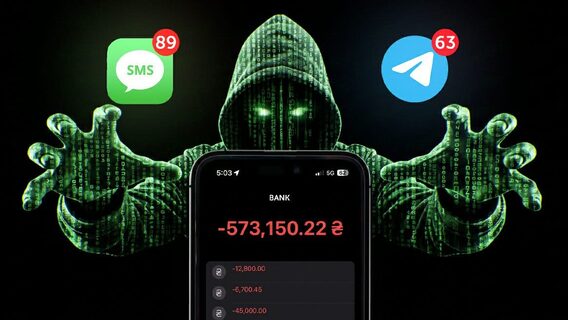
"Hello, is that you in the photo?": how one click on an .apk file can reset your cards and suspend your credit
"Hello, is that you in the photo?": how one click on an .apk file can reset your cards and suspend your credit
In the world of Android users, freedom of action has always been the main feature that was flaunted to the owners of closed iPhones. If you want, you can change the interface beyond recognition, if you want, you can download useful utilities directly from the Internet. But it is this freedom in the form of nondescript .apk files (installation packages for Android) that has today turned into an ideal weapon for cybercriminals.

AI instead of a face: how fraudsters bypass bank biometrics and what they fall for
AI instead of a face: how fraudsters bypass bank biometrics and what they fall for
The last few years have been a watershed for the Ukrainian fintech market. While cyber fraud was previously associated with banal phishing or telephone «scams» on behalf of the «bank security service,» now the industry is facing a technological nightmare.
Anatomy of household fraud: dev.ua and the EMA Association launch a joint project against digital fraud
Anatomy of household fraud: dev.ua and the EMA Association launch a joint project against digital fraud
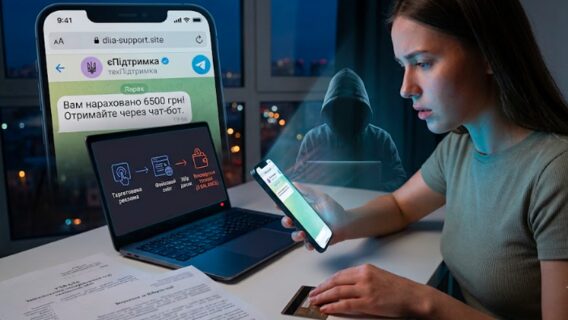
"You have been credited with UAH 6,500 in aid": how phishing scammers clear the credit limits of Ukrainians under the pretext of the UN and eSupport
"You have been credited with UAH 6,500 in aid": how phishing scammers clear the credit limits of Ukrainians under the pretext of the UN and eSupport
The Ukrainian Interbank Association of Payment System Members (EMA) has calculated that phishing under the guise of government payments firmly holds 4th place in terms of the number of appeals to the Cyberpolice.
2 comments





