Хочете будувати кар’єру в Data Science та AI? Vodafone Big Data Lab відкриває новий набір —>
Наталя ХандусенкоSpaceTech
5 July 2026, 15:09
2026-07-05
China tests rocket launch using gas that creates bubbles in Coca-Cola
Chinese aerospace startup Z-Trak Space is testing an unusual launch system powered by carbon dioxide (CO₂), a substance more commonly associated with the bubbles in carbonated drinks than with rocket exhaust.
Chinese aerospace startup Z-Trak Space is testing an unusual launch system powered by carbon dioxide (CO₂), a substance more commonly associated with the bubbles in carbonated drinks than with rocket exhaust.
The idea is based on the use of supercritical CO₂, a state that the gas takes on when certain temperature and pressure thresholds are simultaneously exceeded, writes TechRadar.
The developers believe that this approach will reduce infrastructure requirements and ensure a higher launch frequency for China's rapidly developing commercial space sector.
A cold start system can reduce dependence on expensive ground infrastructure
This technology propels the rocket using high-pressure gas that rapidly expands, and the engines are ignited only after the vehicle reaches a given altitude in the air.
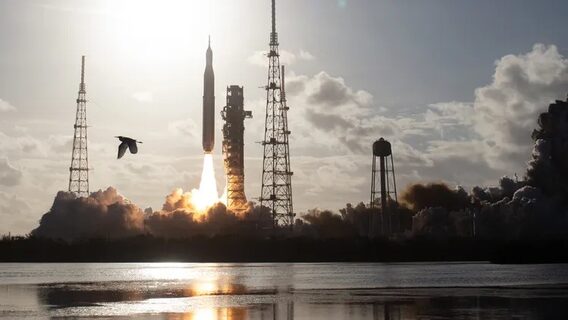
This sequence is radically different from the traditional "hot start", in which the engines are started directly on the launch pad before the rocket begins to rise into the sky.
Since combustion occurs during flight, the hot exhaust gases do not affect the launch pad or the ground support infrastructure around it.
Traditional launch complexes require complex protection systems, as exhaust streams with temperatures exceeding 3000°C can quickly damage structures during launch.
Because of this, after each mission, the launch towers and deep gas vent trenches, which are repeatedly exposed to extreme temperatures, require serious repair and maintenance.
According to the company, such requirements increase costs and reduce launch frequency when operators attempt to implement commercial rapid response missions.
“In commercial space launch scenarios that require high frequency and rapid response, this results in significant time and financial costs, which directly impacts launch rates and response speed,” the company said.
Z-Trak Space believes that getting rid of this burden will allow, over time, to significantly increase the pace of launches and significantly reduce dependence on capital ground infrastructure.
Could radically change the approach to using small liquid-fueled rockets
Z-Trak Space founder Zhang Zihan, a graduate of the Department of Aerospace Engineering at the Hong Kong Polytechnic University, described the concept as potentially transformative.
Zhang noted that if successfully scaled up to a commercial level, this method would “fundamentally change the operating model of small liquid-propellant rockets.”
The company also argued that launches using supercritical CO₂ could reduce fuel consumption during passage through the lower atmosphere.
Due to the non-toxicity of supercritical carbon dioxide, the developers claim that there are no harmful emissions in the area of the launch complex.
Z-Trak described the system as a solution with "high safety, low cost, environmental friendliness and low thermal wear" of structures during launch.
In the previous year, China's commercial space sector provided 50 launches, accounting for more than half of the national mission volume.
The commercial viability of CO₂ launch systems remains questionable, but this project demonstrates the scale of experimentation within China's rapidly transforming space industry.