Хочете будувати кар’єру в Data Science та AI? Vodafone Big Data Lab відкриває новий набір —>
Олег ОнопрієнкоІсторії
13 June 2025, 09:00
2025-06-13
“I lost the thrill of what used to be so inspiring.” The story of an iOS developer who left an IT startup to create his own apps and a family brand of scented candles
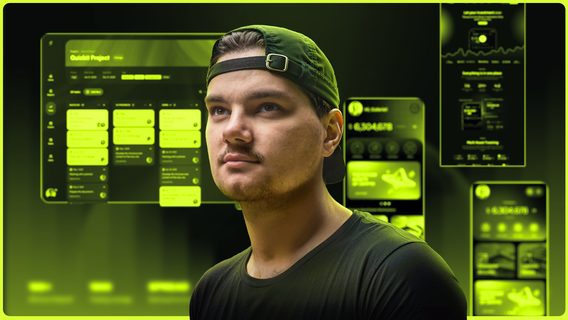
Nikita Marchenko is a developer from Cherkasy who, after burning out at his job, decided to change everything. He left his stable position as a tech lead to create his own products, from a mobile app to a brand of scented candles. A few years later, his Pastel app has 150,000 downloads, and his family candle business is confidently holding its own in the Ukrainian market. dev.ua tells a story about how to overcome instability and start working for yourself.
Nikita Marchenko is a developer from Cherkasy who, after burning out at his job, decided to change everything. He left his stable position as a tech lead to create his own products, from a mobile app to a brand of scented candles. A few years later, his Pastel app has 150,000 downloads, and his family candle business is confidently holding its own in the Ukrainian market. dev.ua tells a story about how to overcome instability and start working for yourself.
About the path to IT
Nikita Marchenko began his journey in IT back in his school years. Since childhood, he was fascinated by computers and technology, independently studying the basics of programming. After school, he entered Cherkasy State Technological University, but he gained basic knowledge independently - through online courses, Pet projects, and practice.
I decided to challenge myself: a year before passing the term paper, develop at least a minimal application that can be compiled on a phone.
I'm from Cherkasy, where I studied applied mathematics at the university. Since school, I felt drawn to programming, but at the time I thought it ended with creating websites, so I developed in this direction until my second year.
Already at the university, while thinking about my first course, I began to explore other areas more deeply and discovered the world of mobile applications. Then I was captivated by the very magic of Apple with their impeccable design, convenience, and the way they set the trend in the world of mobile OS. I was so fascinated by it that I realized: I want to be a part of it and create applications for iOS.
I decided to challenge myself: a year before passing the coursework, develop at least a minimal application that could be compiled on a phone. In the evenings, sometimes at night, I studied independently from YouTube lessons and articles from foreign sites. The most difficult thing for me was that there was no one to turn to for advice. There were probably a dozen iOS developers in the whole city, and far from a dozen issues that I had to solve on my own. Only inspiration and the desire not to stop saved me.
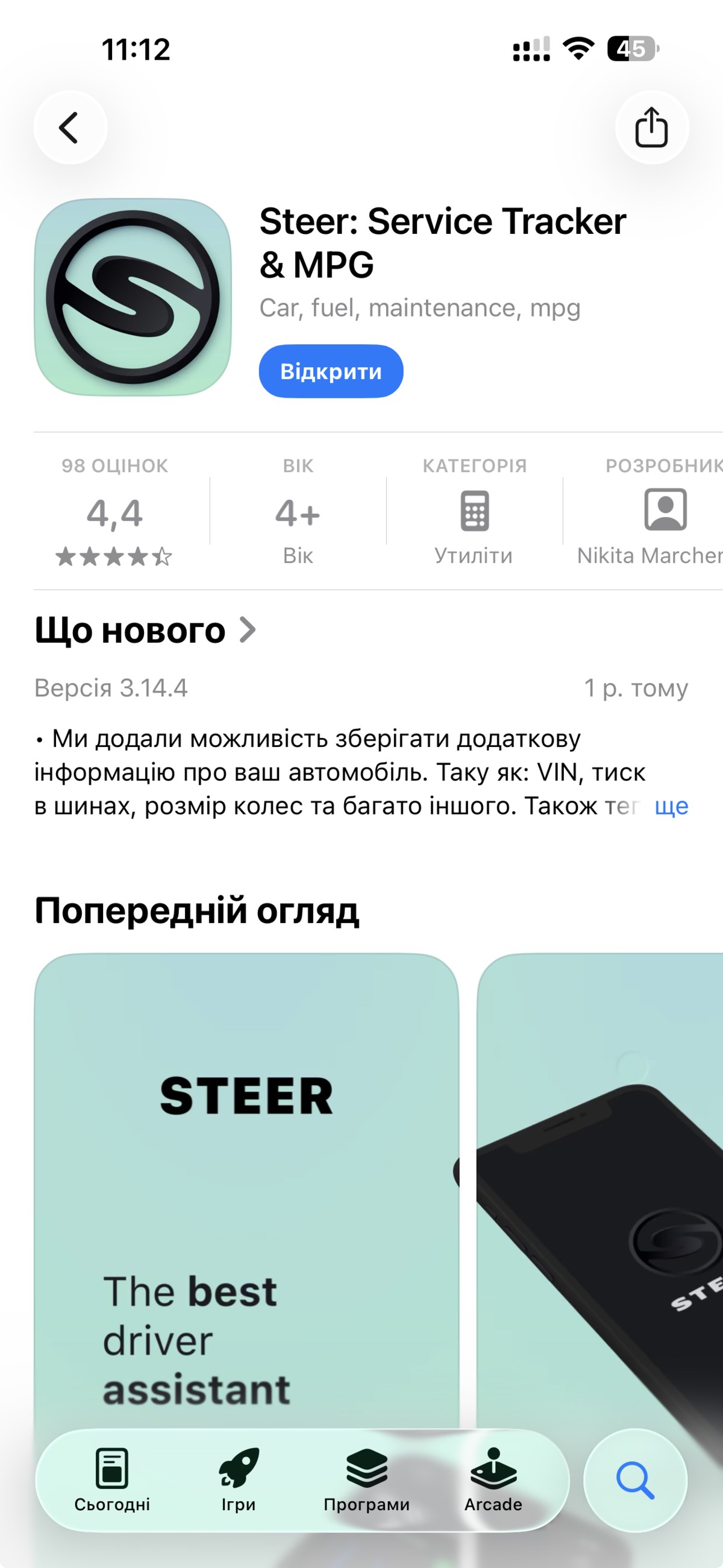
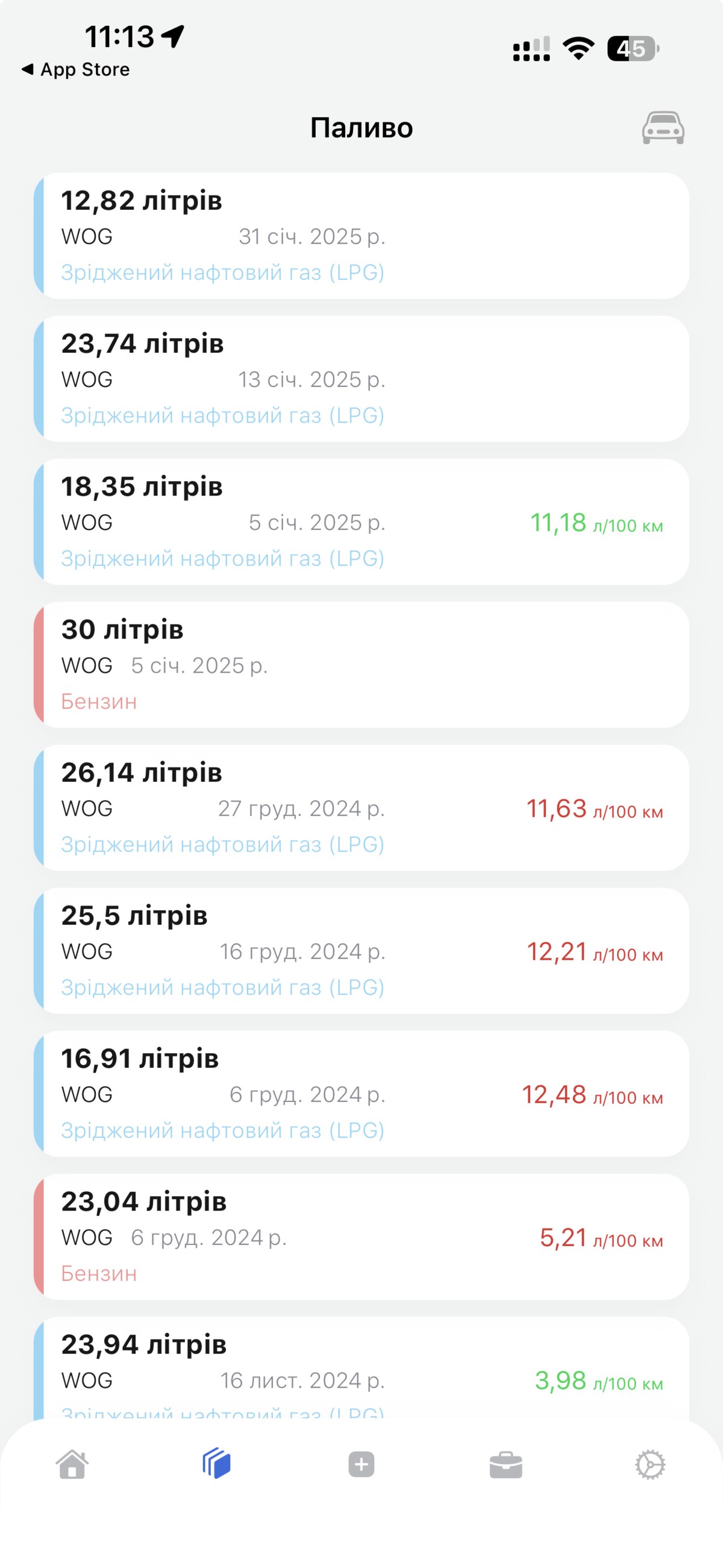
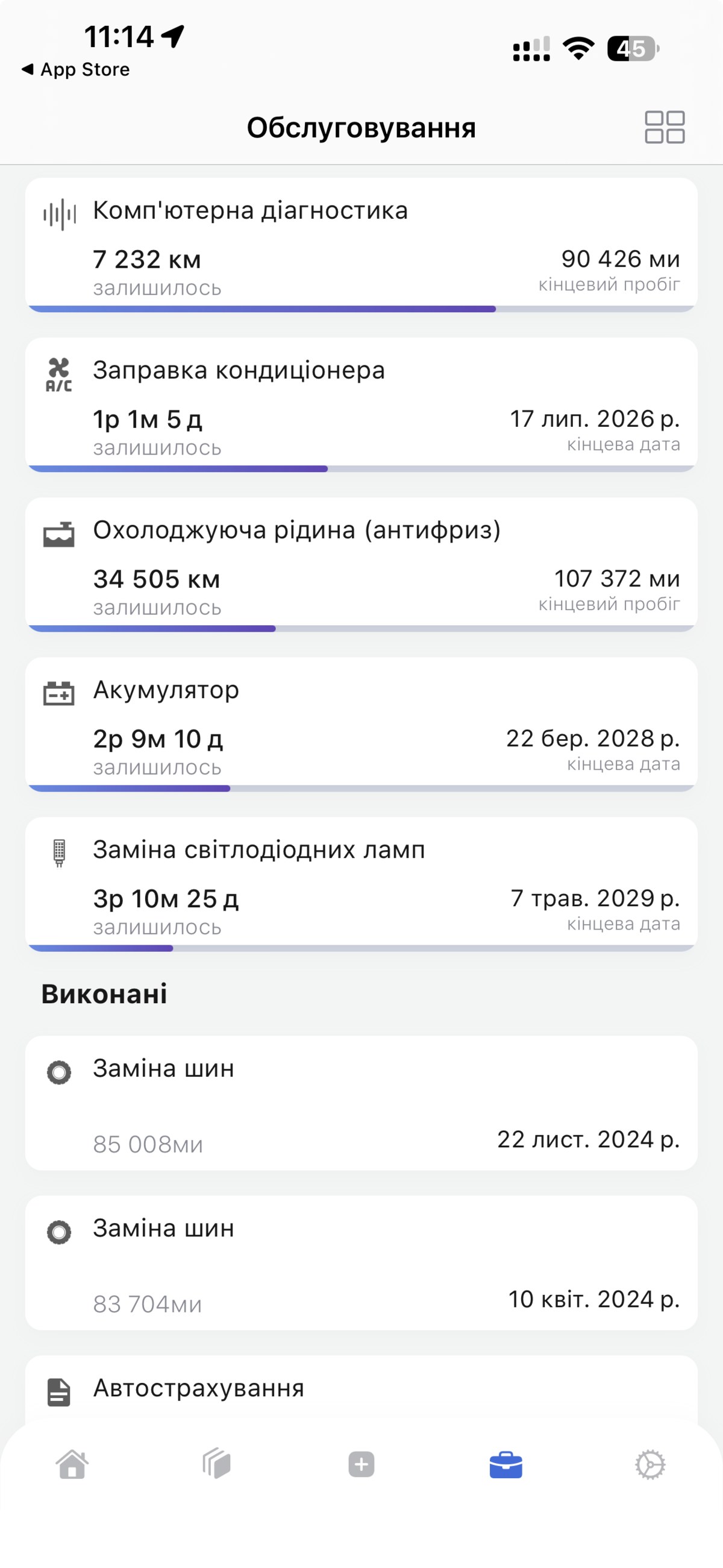
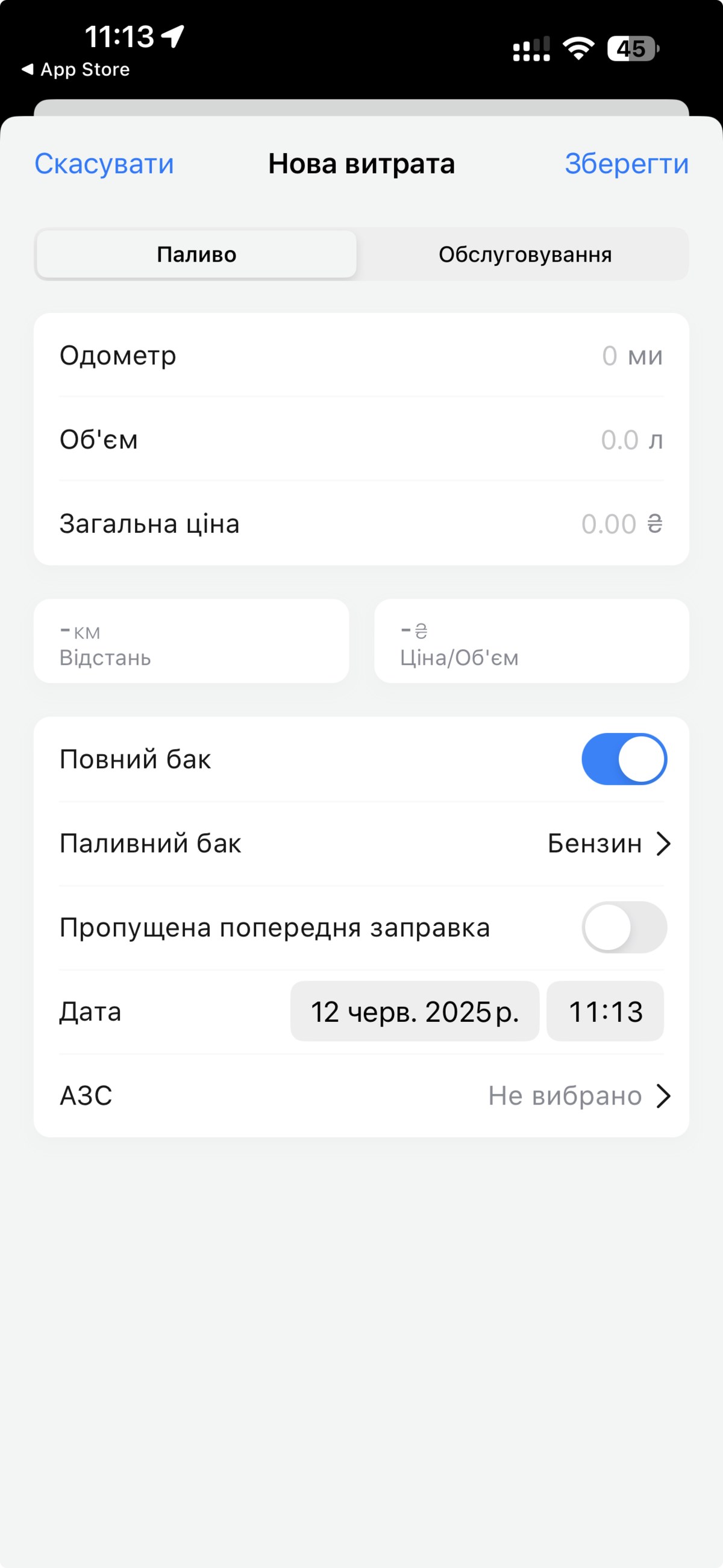
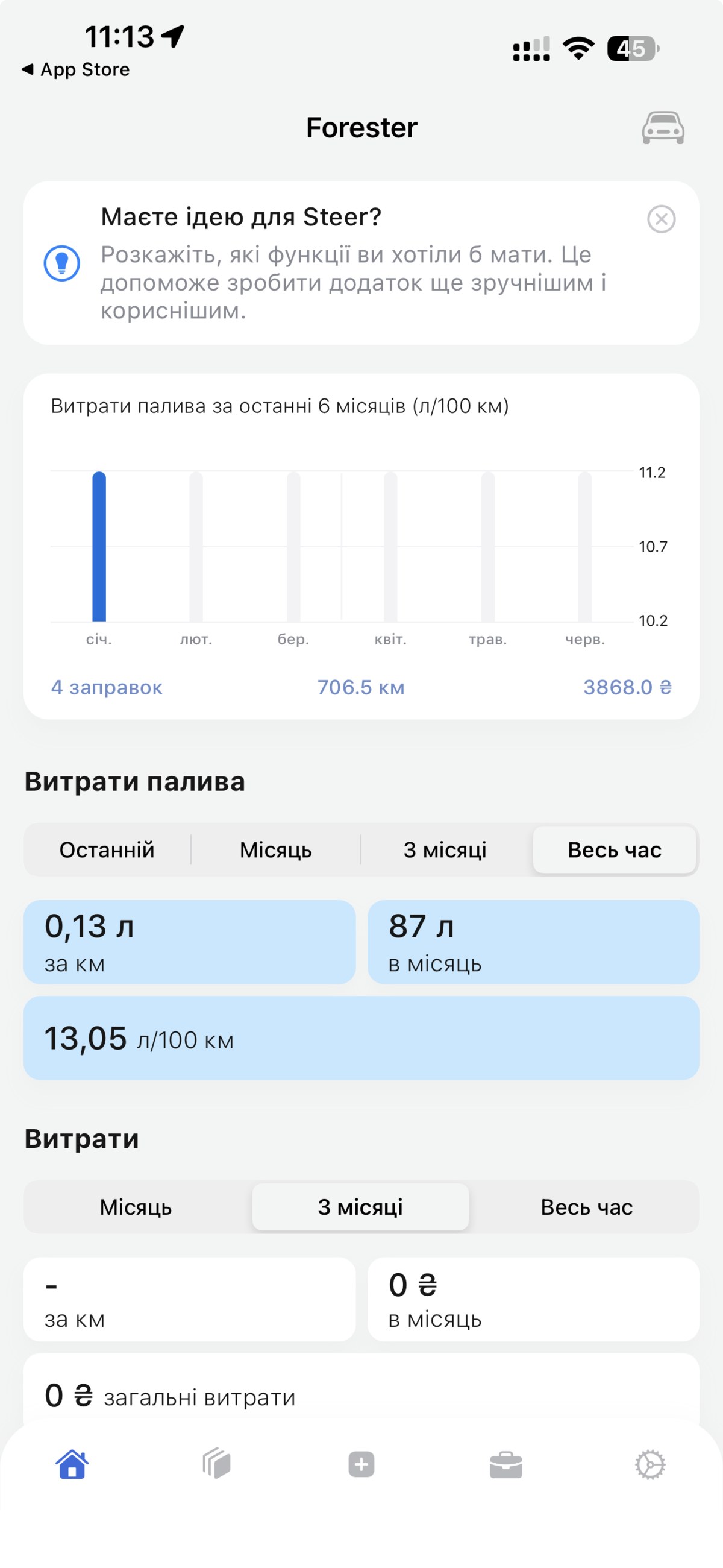
So, before the course, I figured out a little about UI/UX, implemented a fully working application, published it in the App Store and even got the first 100–200 users, unfortunately, my work was not appreciated then. It was the Steer application - an application for drivers that allows you to record gas stations, car maintenance and calculates financial expenses and fuel consumption. It is still active and developing.
Work began to become mechanical, and the only incentive left was money. You can't last long with that kind of incentive.
During my studies, it was clear that I wouldn’t gain any experience at the university, so I applied for all the open vacancies in the city. Due to the great shortage of iOS developers, I — a Juna with an app in the App Store — was immediately hired at the first interview at the eKreative company. I am grateful to them for my development as a developer. Especially — to Slava Semenyuk, our team leader, who gave me the strongest push in knowledge in all my time and discovered a bunch of things that I didn’t even know about.
After three years at the company, I joined a European IoT startup, where we were developing an application for “smart” parcels with sensors and full tracking. Over time, I became the tech lead of a small team there. But the work started to become mechanical, and the only incentive was money. You can’t last long with such an incentive. Burnout didn’t take long to come and hit me.
Eventually, the startup disbanded, the market began to look very depressed, and a full-scale war began. I found myself in a complete misunderstanding of where to go next, so I spent several months thinking and digging inside myself. Then I remembered how it all started with passion, a desire to create my own product, and how I miss it now.
About the decision to work for yourself
At that moment, I decided that I had to at least try. Even if it didn't work out, there was always the option to come back. Over time, I had a clear understanding and concept of the product I wanted to create. I started to burn with this idea again, just like I had at the very beginning.
I wanted to create a tool that people would love. To put everything into it - to make it as convenient as possible and truly useful. Monetization was not a priority at that time. I only thought about the product itself and its value.
I started by researching competitors. At that time, there were few of them, not very convenient, and the most popular (unfortunately, still are) were from our northeastern neighbors. This only fueled my interest and desire to create something better and displace the Russian one, at least from the Ukrainian App Store tops.
The hardest part, as in any business, was getting started. But even harder was to stay disciplined and not burn out. To somehow get organized, I repeated everything we did in teams — I created task boards for myself and started gradually completing them one by one.
First, I analyzed competitors, collected user pain points and requests from reviews in the App Store. Then I developed UI/UX design and drew illustrations for the content in the application. Then I developed my first backend. And only after that — I moved on to creating the application itself.
It all took six months before the first release. It was a very difficult period: I was actually doing the work of a small team, switching between design, backend, management and development every day. And at the same time, I had to keep everything in my head. This was probably the most difficult stage in the development.
The first self-created products
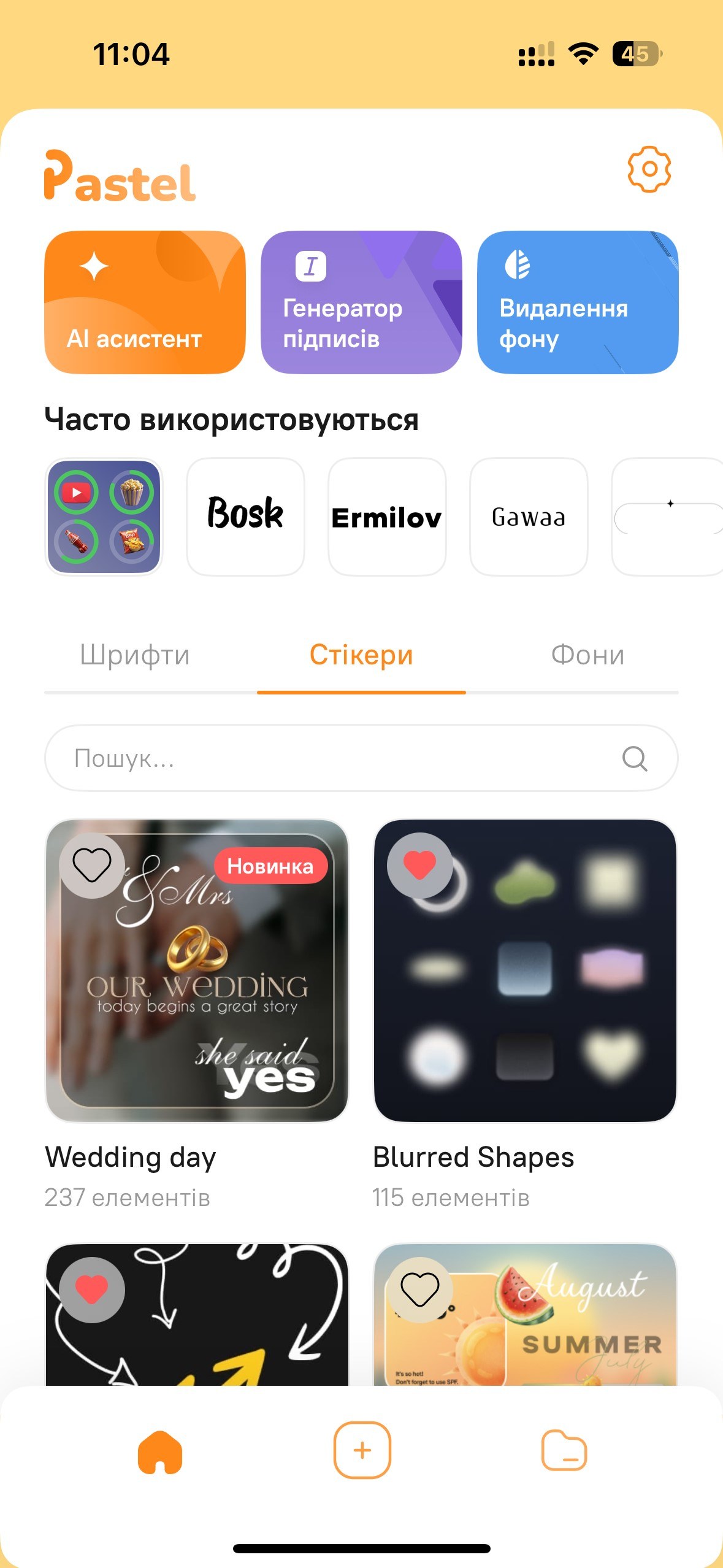
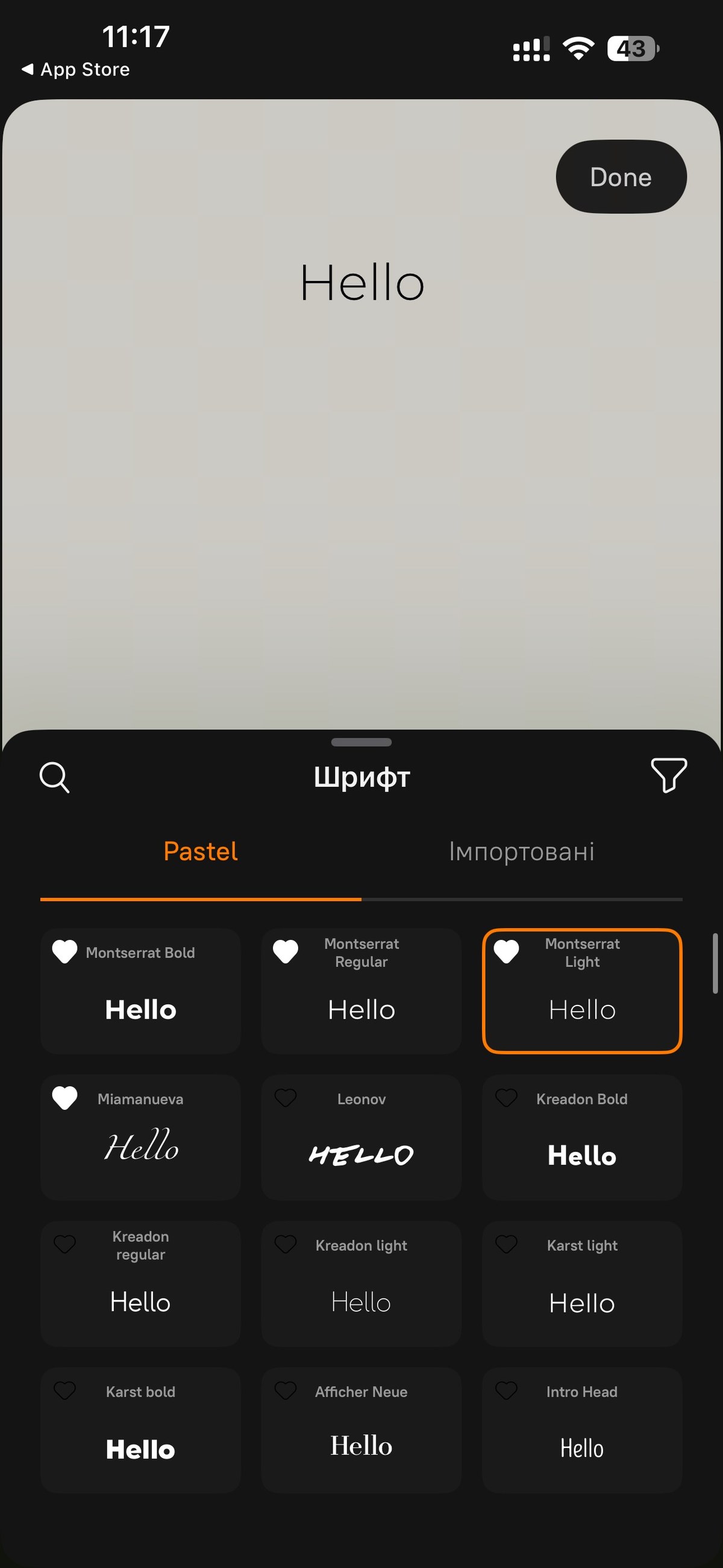
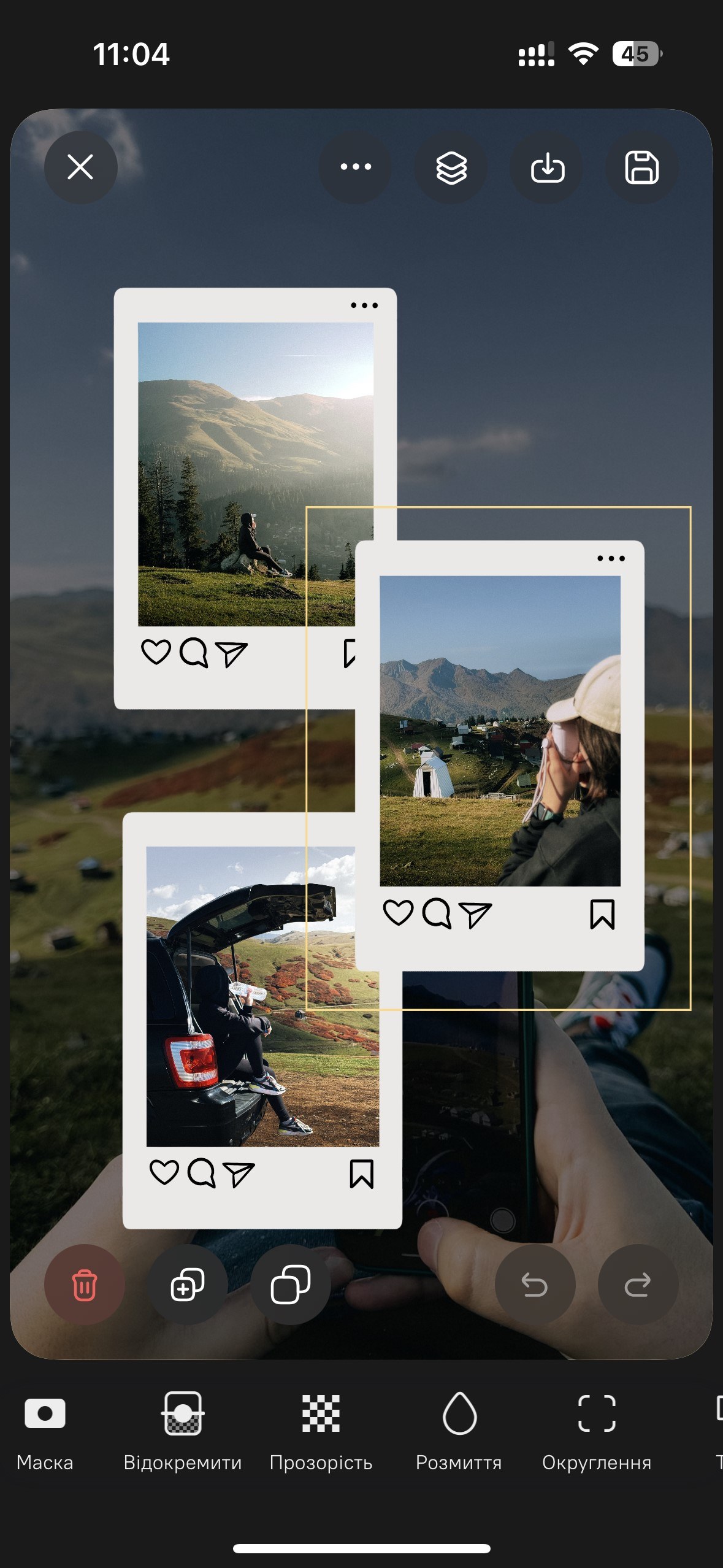
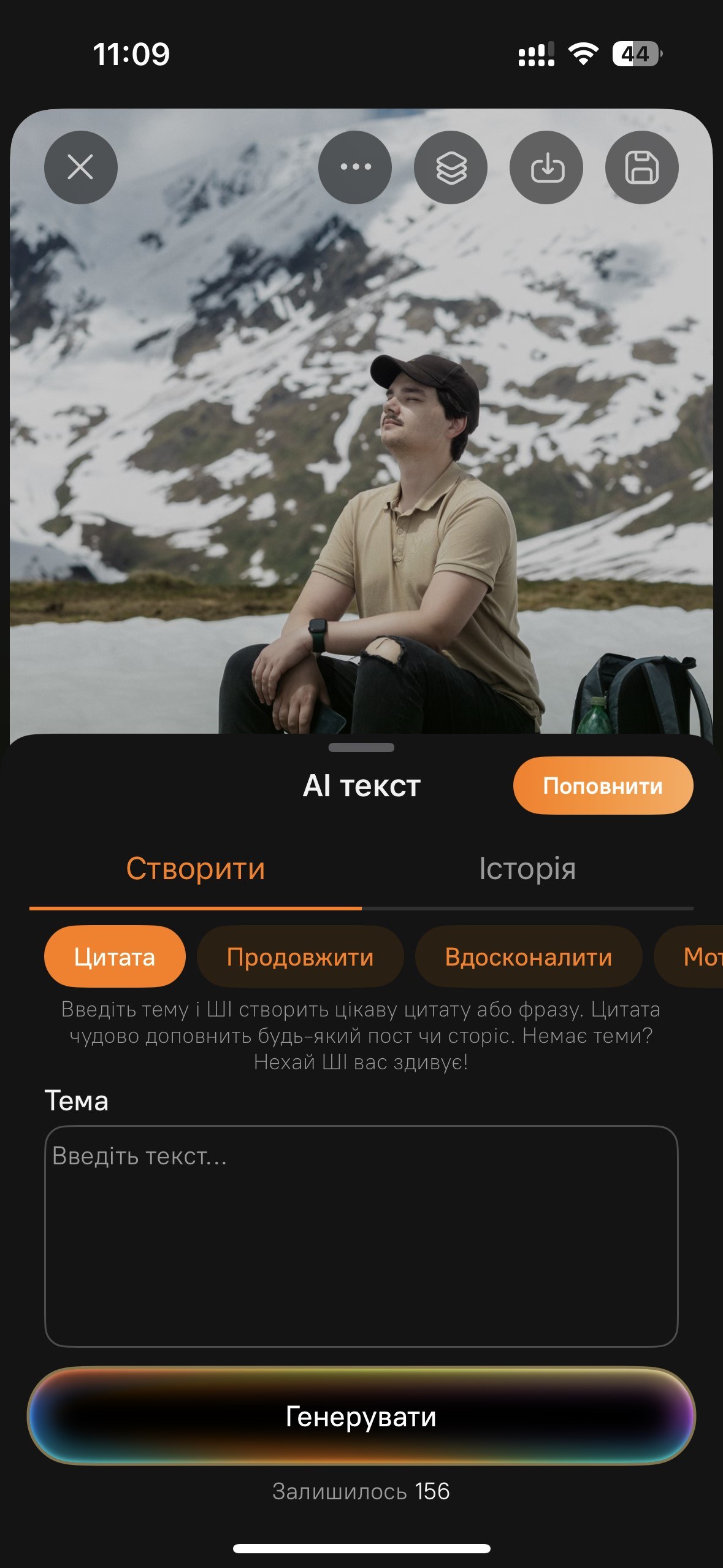
Nikita's first product was the mobile app Pastel — a tool for influencers and bloggers that allows you to design stories with unique fonts, stickers, and graphics. Nikita himself went through the entire cycle: from competitor research and UX design to backend and publication in the App Store. In half a year, the app gathered its first users and went viral on TikTok and Reels.
After six months, I finally published the first version of Pastel — a tool for influencers, online stores, bloggers, and anyone who bothers even a little with the beautiful design of their stories and posts on social networks.
The first version had minimal functionality: a small library of custom fonts, stickers, and a simple editor with basic tools for customizing text and images. At this stage, what struck me most was how warmly users accepted Pastel. They independently began to share it with each other on social networks, shoot videos, and recommend it to friends. I constantly came across Pastel on TikTok and Reels, and friends sent me videos where bloggers recommended my app. It was hard to believe that so many people could benefit from the app that I had been putting together “on my knees” during long nights. It is this kind of feedback from the audience that still maintains the enthusiasm with which it all began.
For three years now, I have been steadily improving Pastel, and over time, I have attracted several cool professionals to tighten up the points that I initially did myself, without the appropriate qualifications. I am infinitely grateful to Artem Tantsyura for the backend part, which users do not notice, thanks to the stability of our servers, and without which nothing would work. And also to Ilya Zinchenko for the unique, super-convenient and fresh design that we were able to implement and get ahead of the competitors. Now I can say for sure that three people are definitely enough to make a high-quality, cool product
App Monetization
Today, I consider the Ukrainian market to be partially covered — we have 150,000 downloads. So now I'm expanding it further, abroad, and I already have a growth in users in Europe, the USA, and the Middle East.
I would be lying if I said that a startup will immediately make you financially independent. It is a very difficult path that always requires sacrifices.
As I said, monetization was not the main goal at first. I focused on creating a convenient and useful tool. For the first six months, Pastel was completely free - without ads, without subscriptions. And it worked: thanks to this, the application got into the top of the App Store. In such a segment, a completely free product is something from the realm of fiction.
Maintenance cost almost nothing back then: a free server, minimal cloud storage for $10–20 per month, an Apple developer account for $100 per year.
But in order to be able to fully devote myself to the project and cover basic living expenses, it was necessary to implement subscriptions. At first, I decided to try the symbolic $0.99 per month for a few additional features. During this time, a very loyal and warm audience managed to form, which perceived Premium as an opportunity to “support the developer”. When increasing prices at later stages of development, I never changed the price for existing users, so until now there are several users who have access to Premium for $0.99, having activated it at the beginning of our journey.
The first year, the profit did not even exceed $1000 per month, but the number of subscribers steadily increased every month. Only after three years did I reach the level of the salary that I received in the company. But the difference between them is enormous. The same amount earned with your own product feels completely different.
During this time, there were several offers - from weirdos who wanted to buy a fully finished project for $900, to more serious ones who offered 10–12 months of Pastel income. I never agreed to sell or invest, because I want to continue to be responsible for the fate of the project myself.
Differences between working for yourself and for someone else
What I value most about working for myself is complete dedication to the task. Maximum freedom, flexibility, and the ability to do everything exactly as I see fit in any aspect of the project.
In the company, I was a programmer who wrote the necessary code for the client. I didn't feel any sense in it, I was waiting for a salary and the next vacation. It was depressing.
I constantly felt out of place. I couldn't implement my own ideas. There I lost the most important thing — the thrill of what used to be so inspiring. But at the same time, it was there that I gained the most valuable thing — experience, knowledge, and a basic understanding of the mobile app market.
What I really remember with nostalgia is the team. I miss it a lot. That feeling when you can share responsibility, discuss ideas, relieve yourself and recharge from working together. Now I strive and am gradually moving towards the possibility of having the opportunity to assemble a cool team in the future and start working on the development of projects together.
Creating a family business
In parallel with Pastel, Nikita and his wife launched a brand of handmade scented candles made from completely natural materials. “We wanted to make something family-friendly, heartfelt, that would give people comfort,” he explains. Today, their brand has regular customers, partners in stores, and even seasonal wholesale orders. It all started with tests for friends, and now it’s a business that brings in several thousand dollars per season.
In addition to developing applications, with the start of a full-scale war, my wife and I, like many others, began to spend more time at home. Travel disappeared from life, and there was a lot of silence, which I wanted to fill with something warm and bright. That's how we came up with the idea of doing something family-friendly, heartfelt, that would give people comfort. And we decided to try making candles
Not just candles, but scented candles made entirely of eco-friendly ingredients, with high-quality scents and an appearance that you don't want to hide. We had a short TOR for this product: no paraffin, no harmful compromises, only the best materials. And I almost forgot the most important thing - scents that will make you dive into yourself and figure things out. So that there are no banal "candles with the smell of peach or strawberry." But so that it smells so that you want to close your eyes and say: "Oh, yes!"
“I no longer felt any sense.” The story of a designer who left a high-paying IT job for nutrition and is now self-employed
We immediately divided the responsibilities. My wife took on the production of the candles themselves and even started creating our own branded, designer planters for them. I — as always — was responsible for what needed to be done with the computer: visuals, packaging, logos, fonts, “move this a little to the right, and here change the shade from leafy green to emerald green.”
Our friends were the first to appreciate our creations. And not out of politeness — they actually asked for more. And only after that did we dare to go out into the world.
Step by step, through recommendations and social networks, we began to notice that we had regular customers. People came specifically for our fragrances, wrote that even after the candle burned out, the smell was still in the air. This led to offers of partnership from salons, then from stores, and even later from large chains in other cities of Ukraine. It was incredibly pleasant.
Later, we added aroma diffusers — for those who want their home to smell good for months. There was even more testing, packaging, logistics, design, and fussing with details. But the result was worth it — long-lasting, complex aromas, no alcohol trail, and a price that honestly matched the quality.
The business paid off in a year and a half. In a good season, it brings in a couple of thousand dollars in profit.
The most difficult thing was online sales. Well, we didn’t come up with a way to explain to a person via Instagram what, for example, our “Vechornitsa” candle smells like, which contains “The exquisite and magical aroma of currant absinthe with a soothing aroma.” But when people felt it in person, they couldn’t come up with an excuse why they wouldn’t need this incredible aroma in their home. That’s why the main effect was at live events and through partner stores. Through social networks, almost all sales came from regular customers who already know exactly what they want.
But we're having a blast. We make each product as if it were for ourselves. And the most heartwarming thing about all this is the thought that in thousands of homes across the country, somewhere, a small piece of our warmth has definitely burned, or is burning even now.
This business paid off in a year and a half (if we hadn’t burned through a few blogger ads, it would have been faster). Now we’re already making a profit. It’s seasonal, so we have all our wholesale orders for partners in the fall and winter. During a good season, the business brings in a couple of thousand dollars. The other 2 seasons are lazier and calmer. We call it a half-year vacation)
This business required taking a risk and investing a lot, because quality materials are not cheap and are not sold in small portions of a kilogram. I immediately had to buy boxes of wax, plaster, other materials, equipment, etc.
Advice for IT professionals who want change
You shouldn't be afraid of losing stability, it's better to just prepare for it. Because at the beginning of your own business, there can be no stability. And that's normal. It's important to be ready for anything — and always have a plan B in stock. This is a risky, but very interesting path. It's definitely not for everyone, but if you have a burning desire to create something of your own, have a vision of a product that will be better than others (and not just another copy) — be sure to at least try it!
I really like the direction in which Pastel is developing, and in general the niche of the media business. Therefore, I am not stopping at one, but have already started active development of a new application that will work synchronously with Pastel. And I have a few more interesting ideas that I hope I will be able to implement soon.
“I couldn’t be in a ‘warm bath’ abroad. Now I’m a dad in a smartphone.” The story of a Senior Software Quality Engineer from EPAM who, despite the opportunity to live in Europe, returned to Ukraine during the war
“Ukraine is still here. And I’m staying too.” The story of an American EPAM tester who lives in Ukraine, helps the military, “a little misses the choice of convenience foods in American supermarkets,” and is in no hurry to return to the U.S.