Хочете будувати кар’єру в Data Science та AI? Vodafone Big Data Lab відкриває новий набір —>
Марія БровінськаWork
15 February 2025, 10:30
2025-02-15
Scholarships to "treat yourself," "vacations through the paw," a $500 bonus for those who go to the office three times a week. Startups are showering employees with benefits despite the fact that tech giants are cutting them in every way. What's going on?
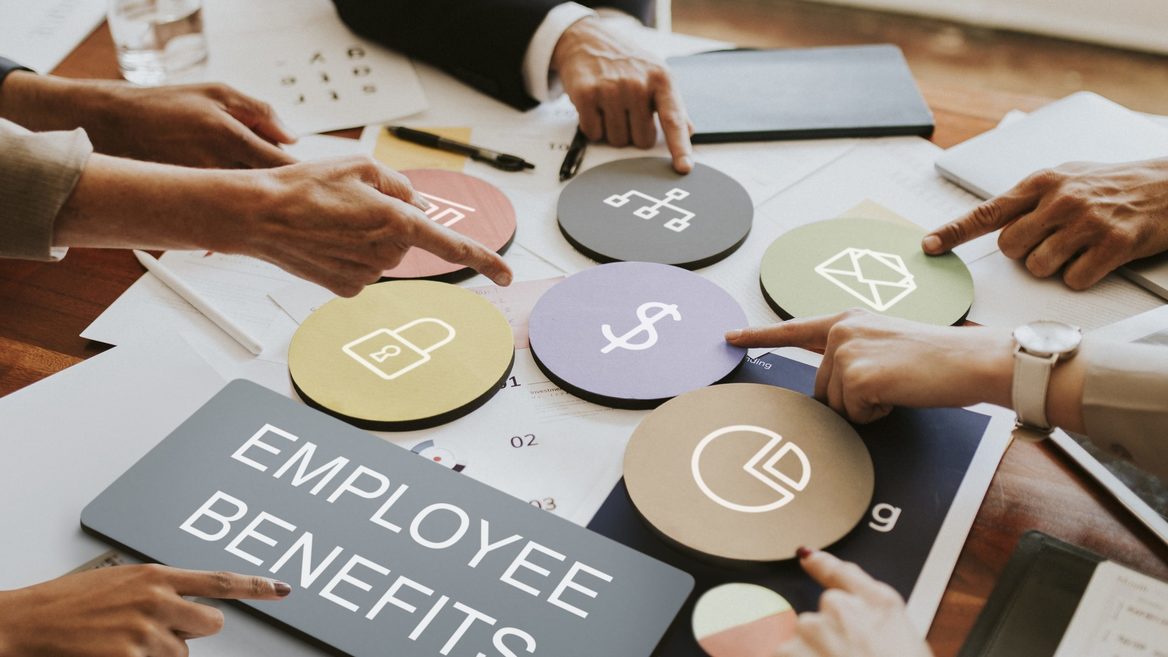
Startups in the US, unlike large companies, shower employees with non-trivial benefits — from MRI scans to «vacation at your own expense.» What’s going on and is this really a «battle of employers»?
Startups in the US, unlike large companies, shower employees with non-trivial benefits — from MRI scans to «vacation at your own expense.» What’s going on and is this really a «battle of employers»?
Two years ago, Erika Burghardt was put into an MRI machine. She didn’t think she was sick—the hour-long full-body scan was a preventative measure to detect cancer, aneurysms and other conditions that people often don’t know they have until they start to experience symptoms. She held the panic button in one hand and watched «Sex and the City» on the screen above her with the other.
The MRIs cost about $2,500 per person, but Burghardt’s bill was covered in full by her employer, media company 1440. The company recently added preventive scans as a benefit for its 19-person team and their spouses. Burghardt, 1440's director of development, said she discovered one minor health issue and was able to consult with her doctor, which gave her peace of mind. «It’s a great privilege to work for a company that offers these opportunities,» she told Business Insider. «I’ve never seen anything like it.»
«We’re actively working to make our benefits the best in the world,» says Tim Huelskamp, co-founder and CEO of 1440. In addition to the usual package of health care, paid vacation, and retirement savings, his company also allows remote work for all employees and contributes $500 each year to college tuition for employees’ children. Offering a benefits package is not only «the right move,» he says, but also an effective weapon in what he calls the «war for talent.» Since 1440 was founded in 2018, Huelskamp added. «I want people working here who want to be here for the next few decades,» he notes.
It’s one of many small companies that are decking out their benefits packages with new bells and whistles to compete for workers.
Bonuses are not the same anymore
A decade ago, trendy perks were everywhere. Dropcam offered employees helicopter rides piloted by the company’s CEO. Eventbrite installed a monthly arcade game in the office, and Google had a concierge service that ran errands, making every employee feel like a boss. But big tech bosses have stopped caring about the collective. Layoffs have become rampant. Last year, Meta fired employees for using $25 in Grubhub credits on toiletries instead of food, a move dubbed Grubgate. This year, Mark Zuckerberg told all employees to «buckle up» and prepare for «a busy year.» Companies like Target, Meta, and McDonald’s are canceling or scaling back social initiatives as President Donald Trump’s administration steps up the practice in federal agencies. Companies are also making decisions to return to the office, and employees are protesting, both quietly and loudly.
As the work-life balance gap grows at many large companies, smaller firms are seizing the chance to stand out and using more personalized benefits to show employees they care — hoping that employees will reward them with higher productivity and loyalty.
People are unlikely to choose a job for a one-time benefit. But companies are focusing on «flexible, personalized, and inclusive» benefits that appeal to employees of all generations, says Teresa Adams, a human resources consultant with SHRM. «Employers are trying to make benefits more unique for their employees in order to attract the best talent,» she says.
Why are changes happening?
The real value comes when a company’s benefits can impact its culture as a whole. Companies used to measure the success of their benefits by the number of employees who took advantage of them, says Samantha Saxby, chief marketing officer of the National Association for Human Resources Management and managing director of benefits company Perky, but the focus has shifted. «Rather than prioritizing numbers, they’re investing in targeted, high-impact supports that increase employee well-being and engagement, even if it’s for a smaller segment of the workforce,» Saxby says. As an example, she cites significant benefits for new parents—they may only be available to a small number of employees at any given time, but they drive greater engagement, satisfaction, and retention.
At software company Pipedrive, 750 employees can get five days of «paw leave» if they adopt a pet. The company also offers «compassionate leave,» an expanded category of leave for bereavement, from the death of a loved one or pet to the breakup of a relationship. The benefits, added late last year, show that Pipedrive is catering beyond traditional family structures. «It’s about recognizing that everyone’s situation is different,» says Tanya Channing, Pipedrive’s director of people and culture. The company’s benefits are a way to showcase its culture, she says, and Pipedrive trusts its employees to work hard, not abuse them. If management strictly controls who gets what benefits, when only a small number of people can take advantage of them, «you’re punishing the 98 percent of people who don’t,» she explains.
Standard social packages are being cut
According to a recent survey of more than 4,500 employers by the Society for Human Resource Management, company spending on health care has remained relatively flat, and some have declined slightly. The survey found that the share of companies offering paid mental health days fell from 20% in 2022 to 16% in 2024, and the number of flexible spending accounts for dependent care fell by 6%, to 58% in 2024. The share of companies surveyed offering access to services and information about elder care fell from 11% in 2020 to 7% in 2024. And only 1% provided employees with subsidies for elder care, while 3% provided subsidies for child care. Elder care is becoming an increasingly valuable but still rare privilege as Gen Xers and millennials are forced to care for children, parents, or, sometimes, both at the same time.
For some companies, keeping benefits is a way to demonstrate their values. Run for Something, a company that recruits and supports young progressive political candidates, offers employees a four-day workweek and full health insurance, as well as a $500 «treat» stipend that can be spent on anything from a fancy dinner to a hotel room, to encourage work-life balance. Amanda Litman, co-founder of Run for Something, believes that company benefits are central to its mission. And while more companies are looking to roll out diversity, equity, and inclusion initiatives, Run for Something has no plans to change its inclusive workplace policy. «It’s fundamental to how we do business,» Litman told me. «Even if it’s not a moral good, hiring the best people from diverse backgrounds is good for business.»
It seems to be working: Litman says that turnover has been incredibly low on the 30-person team, and every time the company advertises a new job opening, hundreds of people apply.
Benefits are interesting
A bright perk can grab the attention of potential employees. Grant Lowe, a tech writer at streaming service Philo, was applying for a job two years ago when one perk caught his eye: a $2,000 bonus paid when employees take vacations. It was the «icing on the cake» of an already attractive role, he says. Last month, Lowe flew to Hawaii and visited his two brothers, the first time they’ve been together in eight years. «The signal it sends is, ‘Hey, we want you to take this time,’» he said.
The idea is to get people to take at least two weeks of unlimited vacation, says Pearl Oni, Philo’s head of human resources. The company also allows employees to work entirely remotely, but pays a monthly bonus of $500 to those who commit to being in the office three days a week, as well as subsidies to cover commuting costs. This balance allows people to choose between the extra money and the opportunity to be home with their kids after school. Oni says forcing people back into their offices doesn’t work: «The atmosphere will disappear.» She adds that with the bonus, «we can attract people who want to work.»
With food and restaurant prices skyrocketing since the pandemic, money to spend on food is another valuable perk. Since 2020, cloud-based web-based services company AudioEye has been offering employees a $20 weekly meal credit per family member. «The shift to remote work has blurred the lines between work and home, and we wanted to encourage our employees to step away from their screens and enjoy quality time with their families,» Brittany Morelli, the company’s vice president of human resources, told me in an email. About two-thirds of employees use it regularly, she says, and the company is also paying for some office lunches when people return to work in person.
The future is in flexibility
Whatever the perks, the days of dangled luxuries in front of people in lieu of a good salary and health insurance are over. For the most part, people should enjoy the work they do and feel valued by receiving compensation and benefits that actually support their lives. In the 2010s, «they all had to have a long list of ‘Here’s what we offer,’ to make it seem like they did a lot,» says Amy Sperling, CEO and founder of Compt, a human resources services company. Now, that could be backfiring. «The market and employees are smarter,» she added.
The future is in flexible benefits, Sperling says. If you offer pet care, it will only appeal to pet owners. The same goes for maternity benefits or commuting benefits for everyone—some people will love the stipends, while those who don’t need them might shrug them off. But personalized stipends for things like childcare or wellness, or commuting and lunch benefits for companies mandated by the RTO, can help people pay for what they need, when they need it.
As employee costs rise, fun perks aren’t the only solution. After all, people want to work in jobs they enjoy, with fair pay and a work-life balance. The real payoff comes when a company’s perks can speak to and influence its overall culture. And as the line between work and life blurs, bosses have to do more to show they care about your feelings.
There is almost no massage in the office, but health insurance is provided. What social package do IT companies provide to IT specialists during the war — ITExpert study