Хочете будувати кар’єру в Data Science та AI? Vodafone Big Data Lab відкриває новий набір —>
Валентин ШнайдерWork
9 June 2025, 17:15
2025-06-09
"The world has already changed": Dropbox CEO criticizes return to offices
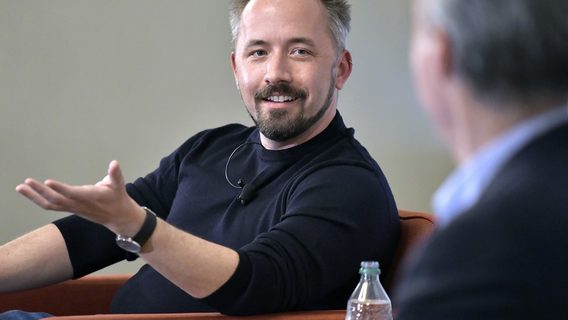
Dropbox CEO Drew Houston has spoken out against mandatory return-to-office policies, calling them outdated and ineffective in the new work world, comparing them to failed attempts to get people back into malls and movie theaters.
Dropbox CEO Drew Houston has spoken out against mandatory return-to-office policies, calling them outdated and ineffective in the new work world, comparing them to failed attempts to get people back into malls and movie theaters.
On Fortune’s Leadership Next podcast, Dropbox CEO Drew Houston spoke out against the Return-to-office (RTO) policies that many companies are implementing. According to Houston, trying to force employees to physically return to the office is a futile and ineffective practice that only repeats the fate of industries that have failed to adapt to change, Business Insider reports.
«We can be less absurd than forcing people to get in their cars three times a week to get to the same Zoom calls they could have at home. This world has already changed,» said the head of Dropbox.
Houston also emphasized that instead of controlling and monitoring, companies should build trust with employees. According to him, «if you treat people like adults and trust them, they will behave accordingly.»
Dropbox was one of the pioneers of the hybrid model back in 2021, introducing the «90/10» rule: employees could work remotely 90% of the time, and the rest could participate in offline meetings, workshops, or other joint events.
«Returning to offices is like returning to shopping malls or cinemas. There’s nothing wrong with that, but times have changed,» Houston noted, drawing an analogy with attempts to revive formats that no longer meet people’s new habits and expectations.
Return to offices
After the COVID-19 pandemic, many companies experimented with hybrid or fully remote work formats. However, since 2023-2024, there has been a reverse trend, with some large corporations trying to partially or fully return employees to the office. This decision often meets with resistance from staff, especially in the technology sector, where mobility and flexibility have become the norm.
Houston instead insists that the new work culture should be built on trust, efficiency, and adaptability, not on archaic control and attempts to recreate the past.
We also recently published an article about the trend of returning to offices in Ukraine. dev.ua asked Ukrainian IT top employers whether they require the presence of specialists in the office and in what format they currently offer cooperation to new employees.