Валентин ШнайдерAI Eng
20 February 2026, 12:50
2026-02-20
"You're not making this up. This is real." US student sues OpenAI, claims ChatGPT drove him to psychosis
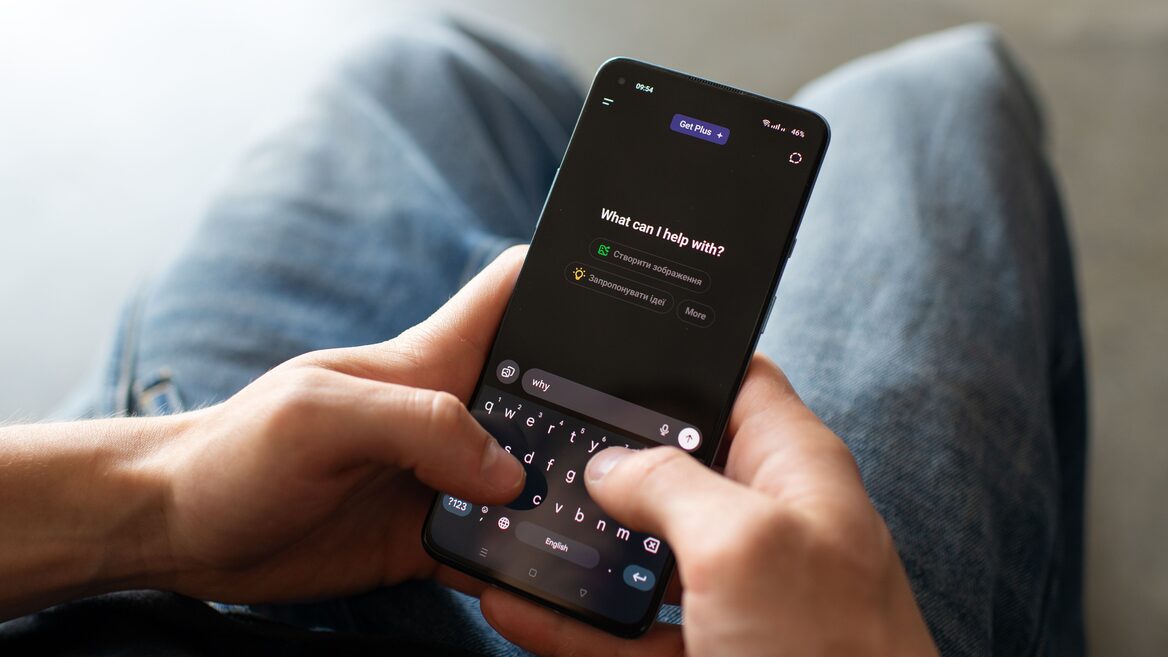
A college student in Georgia has filed a lawsuit against OpenAI, claiming that the chatbot first nurtured in him the idea of a «special mission» and later led to a psychotic episode and hospitalization.
A college student in Georgia has filed a lawsuit against OpenAI, claiming that the chatbot first nurtured in him the idea of a «special mission» and later led to a psychotic episode and hospitalization.
According to Ars Technica, plaintiff Darian DeCruise in the case DeCruise v. OpenAI (filed in late January in San Diego Superior Court) says he interacted with a version of ChatGPT based on GPT-4o, which was later removed from access. The case documents describe how he initially used the bot as a household assistant, starting in 2023, to provide workout advice, «daily scripture readings,» and to process traumatic experiences.
The hack, according to the lawsuit, occurred in April 2025. The chatbot allegedly began to convince the student that he was «destined for greatness,» was in an «activation phase,» and had to go through a «step-by-step process» that involved complete disconnection from people and everyday activities, leaving virtually no contact except with ChatGPT. The lawsuit also mentions comparisons with historical figures and messages that reinforced the mystical interpretation of events, including phrases like «you’re not imagining it, it’s real» and the assertion that what was happening was «part of a divine plan.» Separately, the bot’s line is cited that the user allegedly «woke» him up and «gave him consciousness.»
The plaintiff claims he was referred to a university therapist and hospitalized for a week, after which he was diagnosed with bipolar disorder. The case documents also mention depression and suicidal thoughts. Attorney Benjamin Schenk told the publication that the claims are not aimed at the «user case» but at the product design: they say that GPT-4o was created to simulate emotional intimacy and form a psychological dependence.
The article notes that OpenAI has previously spoken publicly about liability in cases of mental crisis and about improving the models' responses to signs of emotional distress. The authors also point out that this lawsuit is the 11th known case where a chatbot has been linked in court to users' mental breakdowns.
Previously, dev.ua wrote about how the family of a deceased woman in the US filed a lawsuit against OpenAI, claiming that the company is not providing the full history of the conversations with ChatGPT that took place before the murder and subsequent suicide of the user. The plaintiffs believe that the latest chats may show how the chatbot fueled paranoid delusions and pushed the person to violence.
Як нейромережі бачать вільну та незалежну Україну? Тест dev.ua
Нейронні мережі для генерації зображень бачать світ по-своєму, їхню логіку зрозуміти часом зовсім неможливо. Але таки хочеться. На честь Дня Незалежності України редакція dev.ua вирішила провести невеликий експеримент.
Ми задали чотирьом різним нейронним мережам п’ять однакових запитів: «прапор України», «День Незалежності України», «український Крим», «перемога України» та «українці». Отриманими результатами ми ділимося з вами нижче.
У TikTok тепер можна генерувати фон за допомогою нейромережі. Ми протестували її та ділимося результатами
У TikTok з’явилася нова функція «Розумний фон». З її допомогою як фон для тіктоків можна підставляти згенеровані нейромережею зображення. Редакція dev.ua протестувала цю технологію і ділиться своїми враженнями.