Хочете будувати кар’єру в Data Science та AI? Vodafone Big Data Lab відкриває новий набір —>
Наталя ХандусенкоHot News
22 November 2025, 12:33
2025-11-22
Women noticed that their LinkedIn traffic increased when they pretended to be men. To test their theory, they conducted an experiment
Dozens of women joined a collaborative experiment on LinkedIn this week after a series of viral posts about how changing their profile titles to masculine and writing in a bro-coding style boosted their visibility online.
Dozens of women joined a collaborative experiment on LinkedIn this week after a series of viral posts about how changing their profile titles to masculine and writing in a bro-coding style boosted their visibility online.
For the experiment, some women even completely redesigned their LinkedIn profiles and reworked their posts using business slang, which they called bro-coding, The Guardian writes .
The rise in engagement has led women to suggest that built-in sexism in LinkedIn's algorithm means that men who use online business jargon are more visible on its platform,
Like most social networks, LinkedIn uses an algorithm to determine which posts to show to which users — boosting the ranking of some and lowering the ranking of others.
In a blog post published Thursday, LinkedIn acknowledged the trend but said it doesn’t consider “demographic information” when deciding who gets attention. Instead, it says “hundreds of signals” influence how a particular post performs.
“Changing the gender on your profile does not affect how your content appears in search or feed,” the spokesperson said. However, there is growing evidence to the contrary.
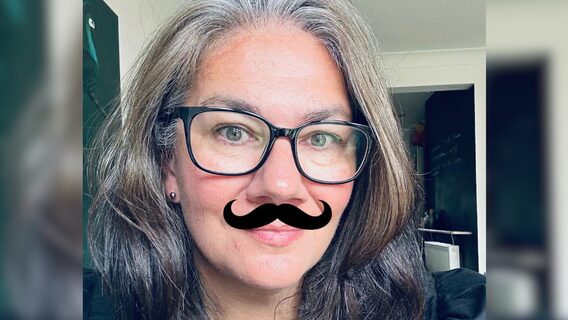
Oxford-based social media consultant Simone Bonnett changed her pronouns to “he/him” and her name to “Simon E” on LinkedIn this week. Her actions led to a 1,600% increase in profile views and a 1,300% increase in impressions.
Megan Cornish, a strategic communications specialist for technology companies, said she began experimenting with her LinkedIn settings after her reach on the platform plummeted earlier this year.
First, she changed her gender to male. Then, she used ChatGPT to rewrite her profile “in a masculine style,” using advice from LinkedIn that the platform favors active words like “strategic” and “leader.”
Finally, she asked ChatGPT to rewrite old, low-performing posts made a few months ago using similar vocabulary.
The results were stunning. Cornish’s LinkedIn reach skyrocketed almost immediately, growing 415% in the first week after the experiment. She posted about her experience, which went viral, garnering nearly 5,000 likes.
However, she didn't like it. She said that her previous posts were "soft": "Laconic and witty, but warm and human." In contrast, "bro-Meghan" was assertive and confident - "like a white man flaunting his superiority."
She stopped the experiment after a week. "I planned to do it for a whole month. But the more I did it and the better my scores got, the more it annoyed me."
Not everyone had the same experience as Cornish and Bonnet. Cass Cooper, an author who writes about social media technology and algorithms, said she changed her gender to male and then her race to “white” (Cooper herself is black). The overall result, she said, was a decline in reach and engagement for her profile — an experience that other women of color on the platform have also shared.
The source of these recent bro-coding experiments is what Cornish, Bonnet and others call algorithm changes that have particularly limited the visibility of female creators in recent months. This led to a series of informal tests earlier this year in which women and men in the same fields posted identical content, but men achieved much greater reach.
LinkedIn says it uses AI to classify posts in its feed, deciding how to share them based on their content as well as the professional identity and skills of the author. The company says it regularly evaluates its algorithms, including “checks for gender differences.”
A LinkedIn spokesperson suggested that the recent decline in reach for some users was due to the much higher volume of content on the network, adding that there had been a 24% increase in comments over the last quarter and a significant jump in video uploads.
LinkedIn заблокував пост айтішника «за булінг та харасмент». Раніше він поскаржився в підтримку на іншого користувача, що звинуватив українську IT-компанію у нацизмі