Хочете будувати кар’єру в Data Science та AI? Vodafone Big Data Lab відкриває новий набір —>
Олег ОнопрієнкоGameDev Eng
25 May 2026, 09:00
2026-05-25
A self-made producer, artist and coder: tips from Ukrainian indie developers on how to create a game on your own and how much it costs
Leaving a comfortable studio to realize your own dream is a step that only a few dare to take. But what awaits a developer when a stable salary and a producer with deadlines disappear? Three Ukrainian solo developers honestly told dev.ua about their experience: from the real size of the financial cushion and free software to burnout, the search for publishers and the golden rule of game development - "plan for three months, do for a year."
Leaving a comfortable studio to realize your own dream is a step that only a few dare to take. But what awaits a developer when a stable salary and a producer with deadlines disappear? Three Ukrainian solo developers honestly told dev.ua about their experience: from the real size of the financial cushion and free software to burnout, the search for publishers and the golden rule of game development - "plan for three months, do for a year."
Motivation: why go solo at all
For all three heroes, the entry point into the industry was different, but they had one thing in common: the desire to make "their" game, rather than perform other people's tasks.
Andriy Bychkovsky, the author of Super Loco World, Farlanders, and Undervault, started out with school mods for Counter-Strike 1.6 and for a long time believed that getting into game development was unrealistic, “because you have to be a genius.” He found his first job as a Unity developer, but the thought of making his own games wouldn’t let him go.
AB: I always dreamed of making my own games. It was kind of a "default." I worked for a year at the game development studio Twigames , saved up some money, and just went to make my own game.
The author of the game Tailgate came to game development with a 20-year background in graphic design and initially didn't set any big goals for himself - it was more of an exploration of "what I could do in game development."
TG: At first, I didn't take any capital from anywhere. It was just part-time research. When I decided to delve deeper, for about six months I took on any projects and saved a lot, you could say tea+mivina.
Maksym Garagulin, the author of the recently announced Distantia , on the contrary, initially held out for full-time work and only when he saw that he could actually finish the demo himself did he switch to his project completely.
MG: The early stages of development took place in parallel with my full-time job. When it became clear that I could bring the game to a demo state on my own, I switched to my project completely.
Motivation to "do your own thing" is necessary, but not sufficient. All three developers emphasize that without a financial plan, discipline, and understanding of one's own limitations, it quickly fades.
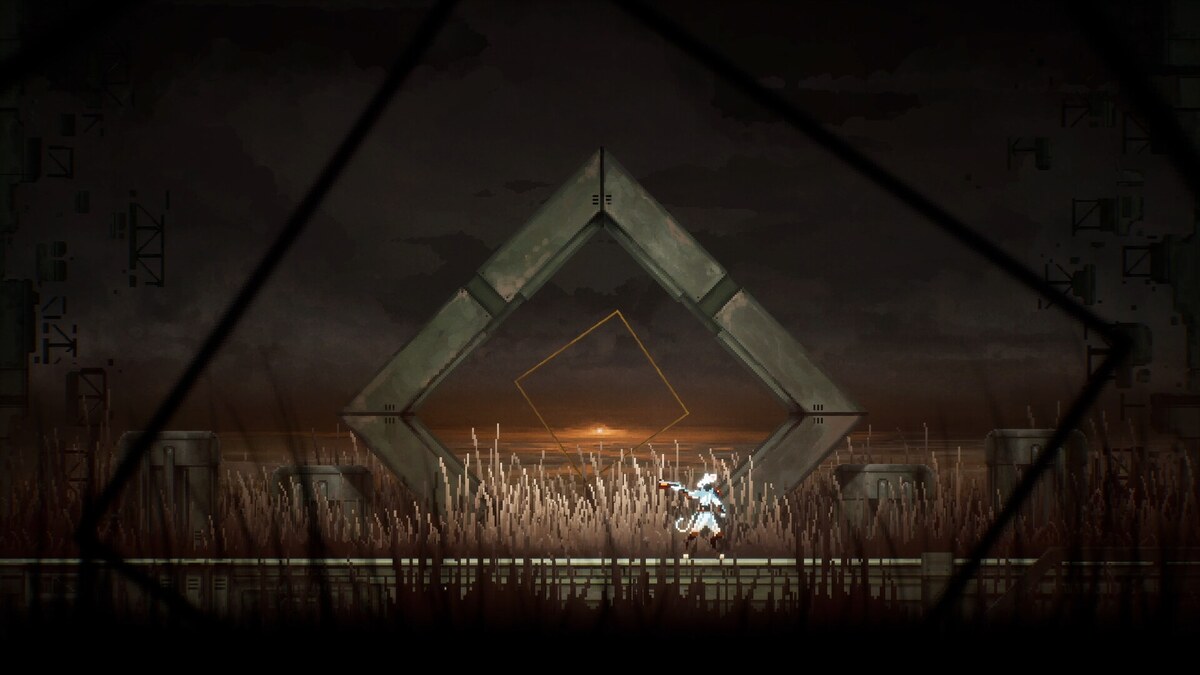
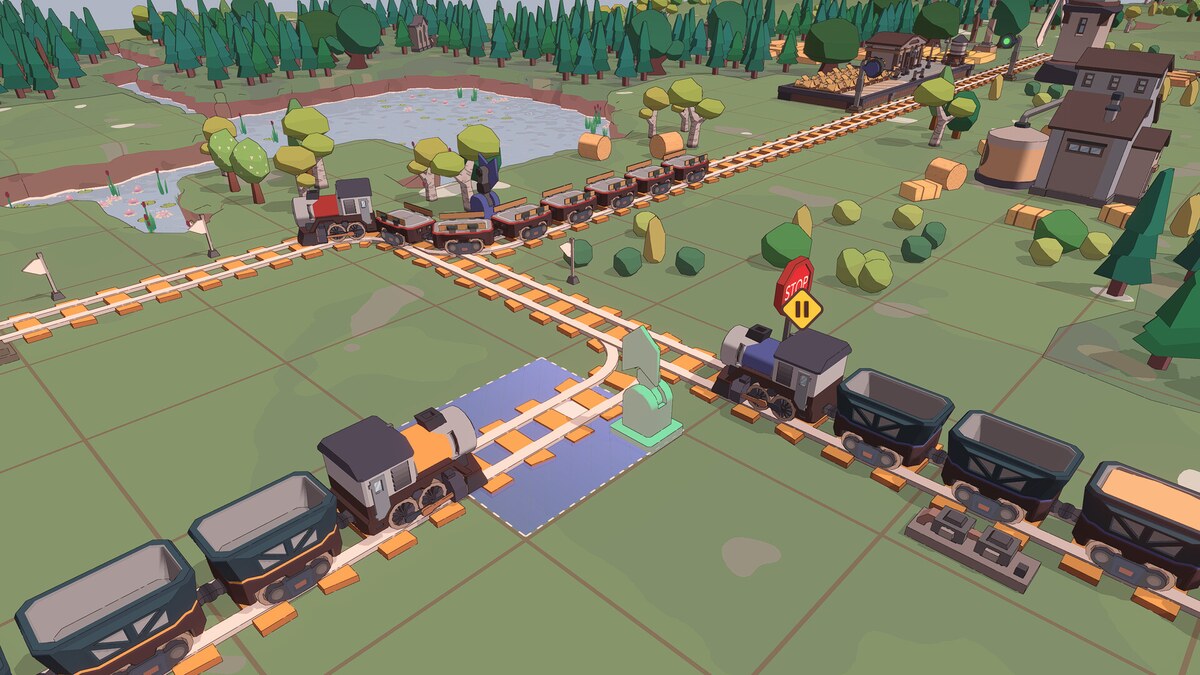
Screenshot from the game Distantia by Maxim Garagulin
Financial cushion: how much and for what?
Money is the first sore point for a solo developer. Bychkovsky, who went solo even before the full-scale war, worked in the studio for a little over a year and collected about $6,000, and when he started working on his own game, he started living with his parents to save money.
AB: Those 6,000 were enough for me to live for a year and make my first game. I didn't pay rent at the time and didn't hire anyone — all the money went to living expenses, about $500 a month.
The author of Tailgate takes an even tougher view: no matter what supplies you have, there is a high risk that they will not be enough by the time the game starts making money.
TG: No matter how big the war chest is, it will most likely not be enough before the project starts making money. I wouldn't immediately withdraw from my main source of money to go full-time. To summarize, you need to have money for exactly a year.
He emphasizes that the main cost item is not so much assets or software, but rather an underestimation of the scope of work.
TG: Every month that development is extended eats into your savings. I would advise you to honestly assess your progress and look for a part-time job not when you're out of money, but when you still have half of your cushion.
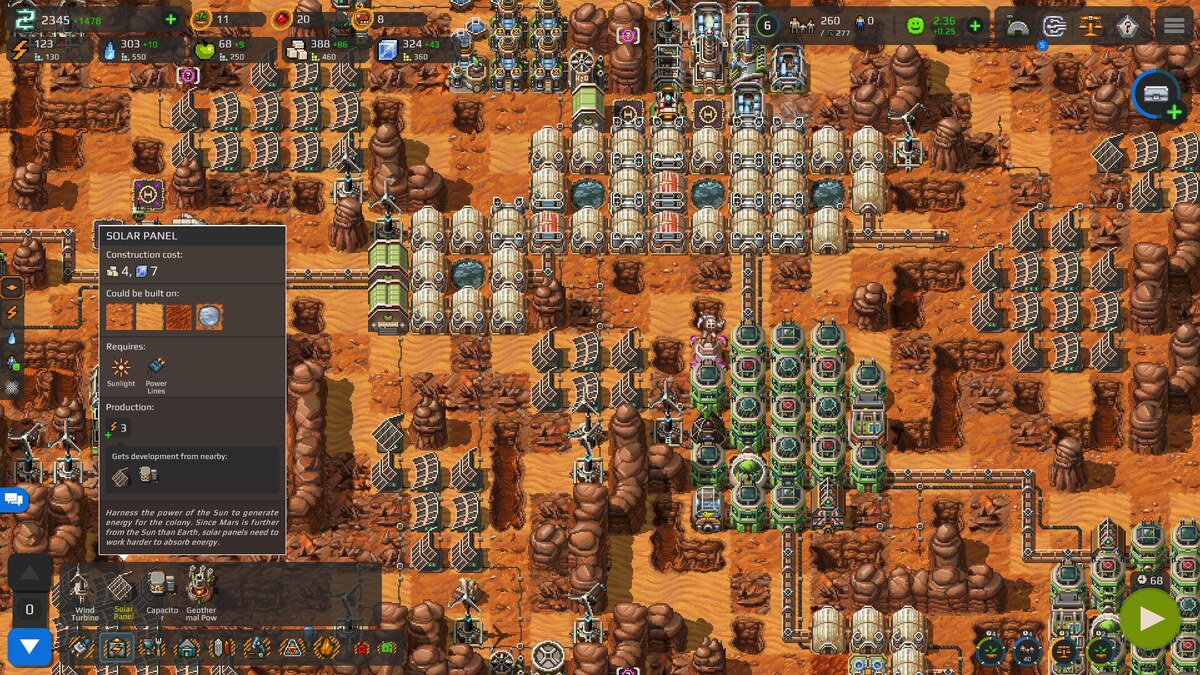
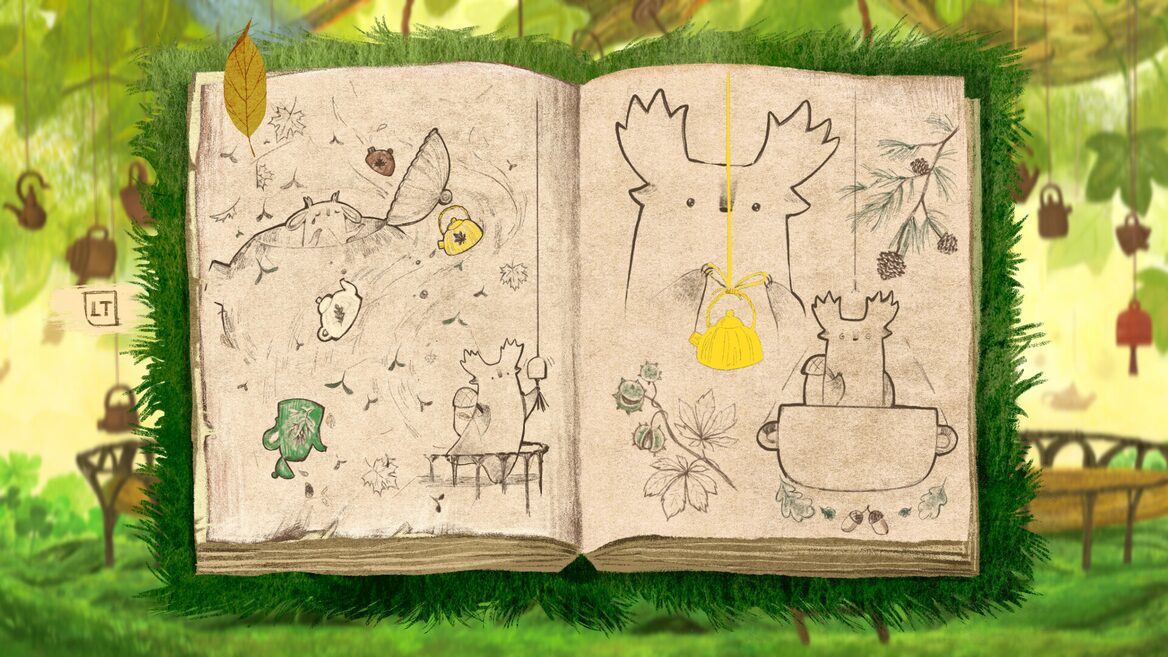
Screenshot from the game Farlanders by Andrey Bychkovsky
Software and tools: where you don't need to spend money
Indie devs agreed that at the start, almost everything can be done with free or shareware. Paid tools are more a matter of comfort than survival.
AB: I spent money exclusively on living. I didn't spend anything on development: Unity 3D is free, other software too. The only thing is $35 for registering on Google Play.
MG: Among the engines is the free Godot. Unreal Engine charges only if the studio's revenue exceeds $1 million. For 3D, there's Blender, for 2D, Krita, for sound, Reaper. Even Aseprite can be officially compiled for free from GitHub.
The only paid tools that Maksym Garagulin consciously keeps are habit and convenience.
MG:Technically, my game is pretty simple, I have enough free tools. The exceptions are Photoshop (minimum subscription ~ $150 per year) and Aseprite, which I bought on Steam for $7.
The author of Tailgate also spends more on comfort than necessity.
TG:I use Affinity 2.0 for graphics, Substance 3D Painter for texturing, and I bought a few important plugins. If I couldn't, I would use what I have. Most engines let you work for free, but the question of paying arises when the game earns more than the engine's limit.
Assets: when to buy and when to make your own
Developers are quite reserved about buying assets — primarily because of style, not money.
AB: I bought mostly software assets, not graphics assets — those that help implement certain auxiliary functionality. Overall, it's not a very big expense item, if you take the entire game budget.
MG:I rarely buy ready-made assets. For a 2D game with an already established visual style, it is almost impossible to find assets that would fit into this style. I mainly buy sound effects, and against the background of the overall “game budget” these expenses are insignificant. If your game has a certain visual (or audio) style and using ready-made assets does not violate it, it is a smart time saver.
TG: I almost never buy assets, I modeled most of them myself (I only bought beautiful trees and animal models, but I retextured and made some adjustments to the skeletons and meshes), a few plugins (for controller support in the UI, DragonIK for procedural animation of the hero and NPC — head aim, animation of the torso and paws on the landscape). In addition, it is easier for me with assets, because I have experience in creating visual products, and sufficient skills in modeling and drawing (minimally sufficient). But, probably, the most important thing is that I just like modeling, texturing, and arranging by level.
His important remark about visual integrity and the dangers of "asset salad."
TG: The question is not whether it is possible to do without free assets - it is possible. The question is that the game should not be a salad of different styles and technical solutions. When you have megascans, 4K textures and 5 thousand triangles on your teeth, and the hero walks like a paper one - it is striking. These contrasts need to be "covered with a newspaper."
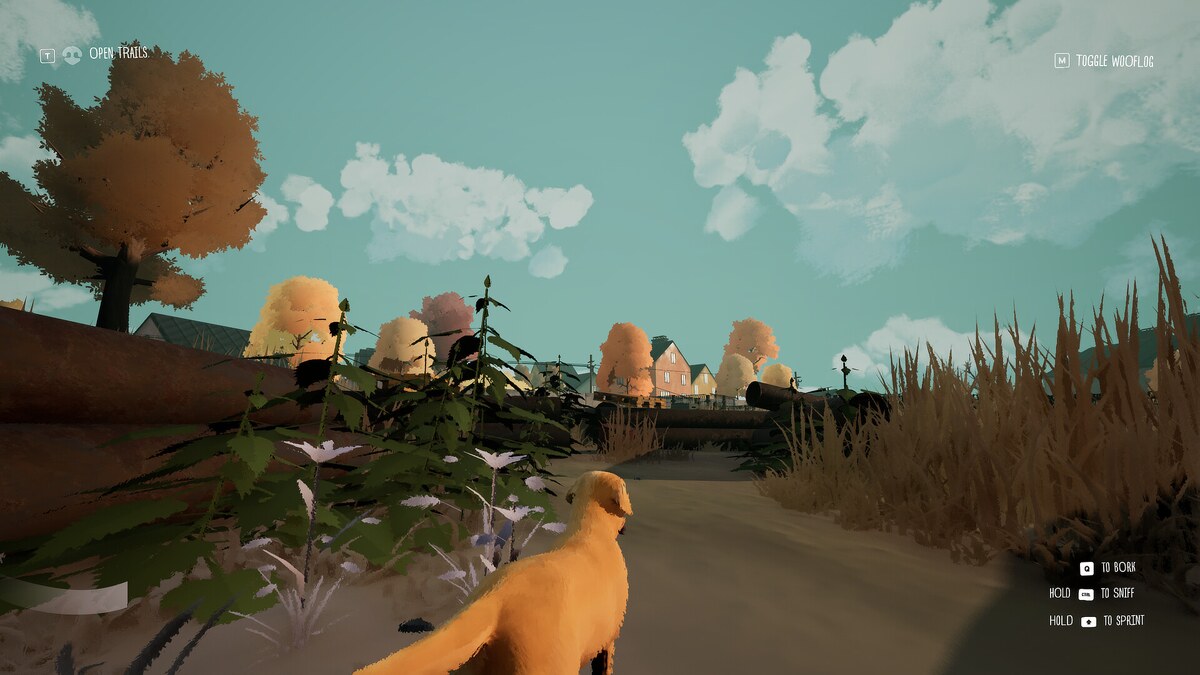
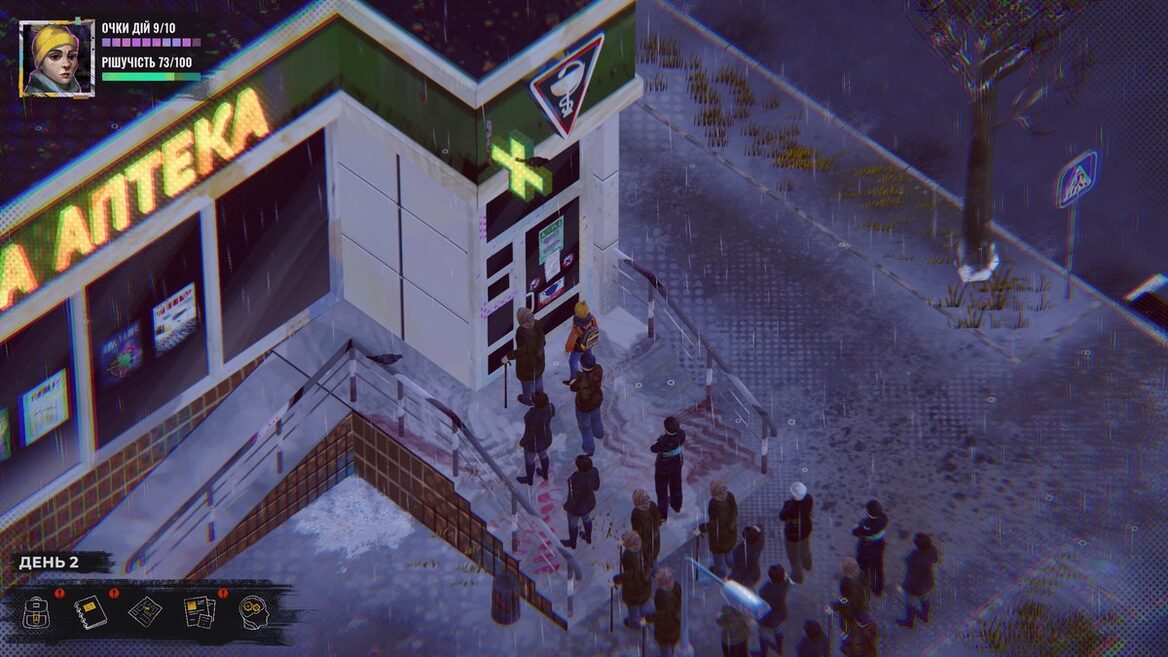
Screenshot from the game Tailgate
Delegation: Who to Hire and Where to Look
Solo development doesn't mean you have to be a master at everything. On the contrary, solo developers have identified areas that are best left to specialists quite early on, but they approach it differently.
From the very beginning, Maksym decided not to do sound effects or translation:
MG: Even before development began, I clearly decided that I would not be involved in creating sound effects and translation. I bought the sound effects ready-made, and a company specializing in game localization was responsible for translating the Steam page and trailer.
In the first projects, Bychkovsky even drew the graphics himself, but over time he began to hire people — primarily artists.
AB:I drew the graphics for the first game myself. Now I'm hiring people to help with the graphics. I don't like freelance platforms, usually it's either personal acquaintances from meetups, or Ukrainian game dev groups on Facebook, Telegram, profile channels, and social networks.
It also provides a very practical range of rates for novices and more experienced professionals.
AB: If it's a beginner artist without a large portfolio, you can find one for $500 a month or for a percentage, but I'm skeptical about percentages. If it's a media artist with an audience on X/Twitter, he probably won't take less than $10–15 an hour. For programmers, it's the same: Junos — somewhere from $500 a month, more serious ones — from $2,000.
His approach to selection is a minimum of bureaucracy and a maximum of verification in the case:
AB: I used to give test tasks and conduct interviews. Now I just look at the portfolio, communicate "on Viber", ask for a salary expectation in the Google form and we start working right away. In a week you can see if the person is coping. If not, I simply stop cooperating.
The author of Tailgate, on the other hand, hires almost no one, but when the need arises, he looks for the right people.
TG:I do almost everything myself. Sometimes I ask for help - for example, a former colleague helped with the visual for the Steam page. Composers sometimes offer a demo track themselves. I can either pay fairly (there is a fixed budget), or I do it myself, or I don't do it at all - you have to recognize the limitations.
Screenshot from the game Super Loco World
Challenges, motivation and burnout
In solo development, there is no producer to set deadlines and no team to "pull" on days when you don't. That's why all three of them talk a lot about discipline.
AB: My parents were very skeptical about me quitting my job and starting my own pixel game. I felt pressured that this was one of my few chances. That's what kept me going - I really worked hard at it.
Over time, he developed a strong work ethic.
AB: I've been working from home on my games for years. Sure, there are procrastinations and unproductive days. But it's mostly a matter of habit. I've also tried to get back into game development as an employee twice - and both times I became very unhappy very quickly. When I'm making my games, I'm on average much happier, even if I make less money.
Maksym, who is a concept artist by profession, says the main challenge is not motivation, but a lack of technical knowledge.
MG: The most difficult thing for me is the lack of technical knowledge. I don't know much about programming, I have to learn a lot of things "on the fly". Oddly enough, I almost never encounter procrastination on a project - doing your own project is much more interesting than a full-time job.
In Tailgate, the key words are discipline and the ability to switch between task types.
TG: Sometimes I sit down to play with my teeth clenched — I have neither the strength nor the desire. But discipline helps: no one will make my game but me. I don't have the strength to fix bugs — I model. I don't have the strength to model — I paint the landscape, write letters, look for contacts, draw UI, write music, just make sketches. Procrastination is something I definitely don't have time for.
All three openly say that the thoughts of "dropping everything and returning to the studio" arose one way or another, but each determined for himself why the solo format was more valuable to him than a stable salary.
Workflow planning: multiply by three
The most common failure is underestimating the amount of work and, accordingly, the time. Here, Andriy is as frank as possible.
AB: I planned to make the first game in three months — I made it a year. I planned the second one in 6–9 months — I made it three years. I thought I would make the third one in four months — it turned out to be about a year and a half. You can safely multiply the time you set aside by three.
Bychovsky advises the following:
Plan a very modest first project — something you think you can do in 3–6 months;
Multiply this estimate by at least 2–3 and immediately calculate how much it will cost you in household expenses;
Monitor progress and don't be afraid to reduce the scope or give up expensive features.
Marketing without a budget: festivals, YouTube and demos
Bychkovsky emphasizes that there is no point in comparing yourself to large studios at all — different budgets and different rules. He divides marketing for Steam projects into three phases:
Announcement:You prepare a good trailer and page, look for a festival for your genre (Steam or external) and make an exclusive announcement for them. I went to a cozy festival with Super Loco World and got about 7,000 wishlist members just from the announcement.
Demo and Steam Next Fest: Right now, all the promotion is around Steam Next Fest. You can submit once in the lifetime of the game, and you need to prepare a demo very well. It is advisable to post the demo a month before the festival so that people have time to play and leave feedback.
Pre-release warm-up: Before the release — mailings to influencers, working with the publisher, if there is one. If at this point you already have a lot of wishlists, the game gets into the "popular upcoming" on Steam and attracts even more attention.
At the same time, he honestly admits that he uses social networks minimally - he doesn't have enough time, and his games aren't very "Twitter-dependent."
Maxim, on the other hand, relies more on manual contact with the media.
MG: From what I've seen, the most effective option is direct contact with specialized channels on YouTube. There are many channels dedicated to indie in general and individual genres. Number two on my list is Reddit, you can definitely find your audience there.
Tailgate developers try a little bit of everything, but clearly cut off what they are uncomfortable with.
TG:I know TikTok can work, but I'm not ready to invent content for it - I don't understand it and I don't really want to. So I have a little bit of everything: Twitter, YouTube/Shorts, sometimes Reddit, festivals, media collaborations. The main thing is to show the game to as many people as possible, whom you can reach organically.
For Ukrainian developers, a separate channel is local media and festivals like the Ukrainian Games Festival or Indie Cup, where Tailgate and other Ukrainian indies have already shone as bright examples of solo projects.
Publishers: when they are really needed
The topic of publishers is covered in detail by Andriy Bychkovsky, who has worked with both those who found him and those he hand-selected. The first publisher came on his own when his game Farlanders made it to the Indie Cup.
AB: I submitted the game to Indie Cup — that's where the publisher found me. They wrote, we agreed on cooperation.
With his latest project, he was already looking for a partner himself and used an open website-table with publishers.
AB: There's Seyed's Publishers List with a good list of publishers. I don't consider it normal practice to spam everyone in a row. I look at the genre, size, whether I like their catalog. I pay special attention to Median Revenue - it shows how the average game in their portfolio feels, not a single hit.
And one more remark - about pitches and presentations, especially relevant for Ukrainian devs.
AB: I noticed that Ukrainian developers like to cosplay business in presentations — draw graphs and calculations, it is unclear where they came from. I am skeptical about this. If you are a small developer — write what you really know. Tell us about the game, what is unique about it, who you are, why you can be trusted. The main thing is that there is a playable demo — no one will give money for just screenshots.
Tips for beginners
If we summarize the experience of three solo developers into specific theses for those who are just thinking about their first project, the result would be something like this:
Don't burn bridges right away. It's logical to carry out the first stage (prototype/vertical section) in parallel with the main work. Go full-time on your project when you clearly understand that you will prove the demo yourself and have a cushion for at least a year.
Plan a small game — and multiply the deadline by three. This will automatically reduce risks and force you to focus on the essence, not on “another cool feature.”
Make the most of free software. Godot, Unreal (de facto free for indie), Blender, Krita, Reaper, GitHub — this is enough to make a very decent game without spending a fortune on tools.
Delegate narrow tasks, but don't outsource everything. Sound, localization, individual art or trailers are all good candidates for outsourcing. The core gameplay and visual identity should remain under your control.
Be honest with yourself about your technical shortcomings. If you're an artist, accept that you'll have to catch up on programming as you go. If you're a programmer, think about how to compensate for weak graphics: with style, setting, delegation.
Marketing isn't just about advertising. Festivals, demos, Steam Next Fest, profile YouTube channels, Reddit, local media - these are all free or almost free tools that work if you have something to show and when.
Discipline is more important than inspiration. On bad days, you can simply switch the type of tasks — from code to art, from art to marketing, from marketing to documentation. The main thing is to move, not get stuck in procrastination.
«Навіть для виробників трун і пам’ятників я писав тексти». Як стати game-тестувальником під час війни: історія колишнього металурга, страховика, копірайтера
34-річний Андрій Зубков під час війни увійшов в IT, докорінно змінивши свою кар'єру і буденне життя. Тепер він QA Engineer у компанії Pingle Game Studio — тестує ігри. А до цього працював на металургійному комбінаті, в страхуванні та навіть копірайтером. Свою історію про вхід в нове життя Андрій розповів dev.ua.
Мануал для джуна. Python Developer: запитання на співбесіді, практичні завдання та поради для початківців
Джунів, які шукають роботу, проходять купу співбесід та отримують відмови замість оферів, під час війни побільшало. А все тому, що до співбесід необхідно ретельно готуватися.
dev.ua продовжує серію матеріалів про те, що треба знати джунам для проходження співбесіди й отримання омріяного оферу від першого роботодавця.
Олександр Ковтунов, Python Software engineer компанії Ajax Systems, який також проводить співбесіди для junior- і middle-фахівців, розповів про професію Python Developer і надав поради, як початківцям долучитися до професії.
Хто такий Unity Developer: основні задачі, обов’язки та зона відповідальності. Огляд професії від Team Lead Unity у Pingle Game Studio
Продовжуємо цикл матеріалів про ІТ-спеціальності. Кожну описує «типовий представник» — досвідчений фахівець і просто авторитетний колега, та сама людина, яка знає всі таємні куточки своєї професії. Ми сподіваємося, ці матеріали допоможуть школярам, студентам, перекваліфікантам, студентам і всім тим, хто зацікавлений у виборі ІТ-спеціальності. Цикл не тільки допоможе оцінити перспективи, а й дасть можливість краще зрозуміти індустрію і особливості професії зсередини. Обговорюйте і доповнюйте матеріал в коментарях, щоб зробити його ще корисніше.
Про професію Unity Developer розповідає Володимир Мельничук, Team Lead Unity у Pingle Game Studio.
Have important news to share? Message our Telegram bot
Key events and useful links in our Telegram channel