


"We washed the car for hours, but it still blew." 40 years of the Chernobyl disaster through the eyes of a liquidator driver
"We washed the car for hours, but it still blew." 40 years of the Chernobyl disaster through the eyes of a liquidator driver
40 years ago, the world’s largest man-made accident occurred at the Chernobyl nuclear power plant. Tens of thousands of people joined the ranks of liquidators to contain the growth of deadly radiation contamination. Today’s story is about Serhiy Mykolayovych, who gave the Zone of Alienation for almost three years, working as a liquidator driver. He saw the first refugees from Pripyat, the incomparable nature of the Zone, hid radioactive equipment under tons of concrete and played music on the piano for his fellow liquidators.
The dev.ua journalist talked to his father, a liquidator, who, despite his age, is an avid gamer, and his favorite game is the cult STALKER series, where he returns to familiar landscapes again and again.

“A strong engineer doesn’t ask if it’s possible. He asks how long it will take.” The story of an IT guy from Chernihiv region who builds products for a Silicon Valley company and heads the engineering of an American startup
“A strong engineer doesn’t ask if it’s possible. He asks how long it will take.” The story of an IT guy from Chernihiv region who builds products for a Silicon Valley company and heads the engineering of an American startup
36-year-old IT professional Oleksandr Vakhovsky works for two American companies at once. During the day, he is a Senior Software Engineer at SolidProfessor, an educational platform from Mountain View, where more than 300,000 mechanical and design engineers are trained. The rest of his time he devotes to the Travel Risk Group startup in North Carolina, which collects real-time data on travel risks in more than 90 countries around the world. The Ukrainian is a co-founder and Head of Engineering of the service. Oleksandr has what the IT community calls “the road through all doors.” He started with a business card website for $200, grew to become an expert consultant for over 250 clients in the USA, Norway, Switzerland, and the Baltic countries. He also ran his own online store and doubled the revenue of the company he was hired to work for for years.
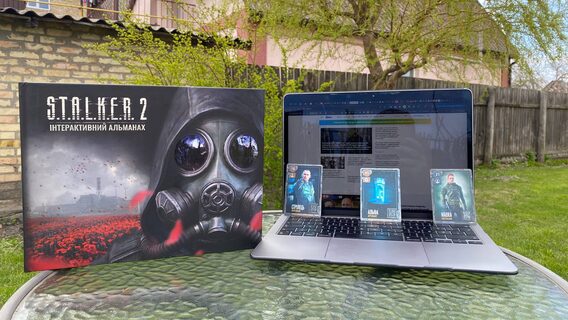
Shortage, resale for 2000 UAH and hype. How the hunt for the S.T.A.L.K.E.R. 2 almanac is going on and where to look for cards if they are all sold out
Shortage, resale for 2000 UAH and hype. How the hunt for the S.T.A.L.K.E.R. 2 almanac is going on and where to look for cards if they are all sold out
Even before the start of the collaboration between the ATB supermarket chain and the game development studio GSC Game World, there was a lot of interest in the event. Jokes about having to queue in the morning to get the desired almanac turned out to be not an exaggeration, but a harsh reality. Literally in half a day it became almost impossible to get the almanac, collectors rushed to ATB like stalkers to the Zone Center to the Wish Fulfiller. A dev.ua journalist joined this hunt and tells how he managed to get the almanac almost in the Chernobyl Exclusion Zone, and also shares life hacks on how to get more diverse collectible cards.
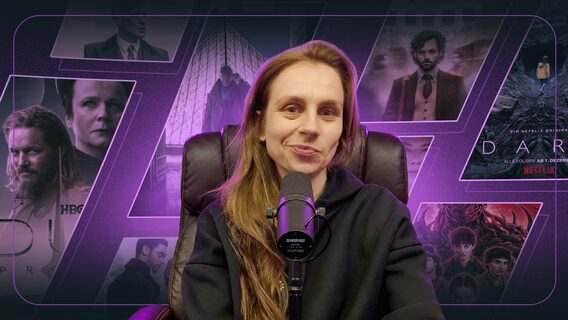
"Our corporate principles: respect, development and... swearing." Postmodern Studio COO Maryna Markovych on the specifics of dubbing for Netflix and HBO Max
"Our corporate principles: respect, development and... swearing." Postmodern Studio COO Maryna Markovych on the specifics of dubbing for Netflix and HBO Max
Viewers of TV series and movies on Netflix and HBO Max have noticed that over the past year, a lot of swear words have appeared in the Ukrainian dubbing, and now Thomas Shelby in the Ukrainian localization of "The Pointy Hats" sends everyone not to their mother's house, but to f*ck. At the same time, in cinemas, the same "Superman" continues to speak with emphasised politeness. We spoke with Maryna Markovych, the operations director of the Postmodern studio, about why you can afford more on streaming than in the box office, how obscene language helps fight piracy, and why "sterile" language prevents Ukrainians from completely abandoning Russian content.
3 comments
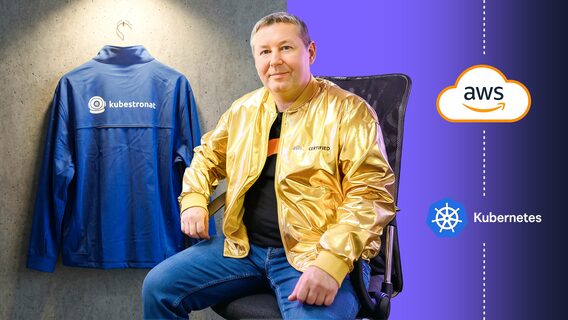
The blue Kubestronaut jacket in addition to the AWS Golden Jacket. The Ukrainian became one of 15 specialists in the world with both awards at the same time. How many certifications did he have to pass
The blue Kubestronaut jacket in addition to the AWS Golden Jacket. The Ukrainian became one of 15 specialists in the world with both awards at the same time. How many certifications did he have to pass
In the modern IT world, the issue of professional certification has long become a subject of heated debate and has divided the community into two camps. For some, the coveted «badge» from AWS, Google or Microsoft is an irreplaceable proof of expertise, for others it is just a formality that requires time and money. The truth, as always, is somewhere in the middle.
1 comment
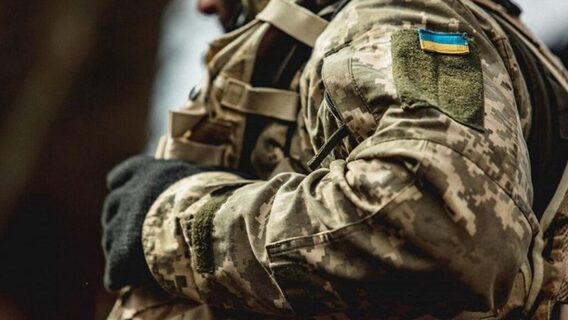
"Do you know that you are already 200? Have you already bought yourself a black package?". In Threads, a mobilized IT worker keeps a diary of his service in the army - about communication with the TCC, thoughts on the SZCH and IT experience in the non-digital system of the Armed Forces of Ukraine
"Do you know that you are already 200? Have you already bought yourself a black package?". In Threads, a mobilized IT worker keeps a diary of his service in the army - about communication with the TCC, thoughts on the SZCH and IT experience in the non-digital system of the Armed Forces of Ukraine
In Threads, a mobilized IT guy with the nickname oncceuponatime_dude keeps a diary about how he ended up in the army — from the «gentle busification» and a night in the CCK barracks to the first day in the battalion. He describes in detail what happens to a person in the first days after mobilization: fear, disorientation, absurd situations, and gradual adaptation to a new reality.
In his posts, he also shows how his IT skills unexpectedly become necessary in the unit — and what army bureaucracy looks like through the eyes of a person from the digital world. With the author’s permission, dev.ua quotes the specialist’s posts, which may be useful to everyone.

“I deliberately took a financial step back.” The story of an HR director who left IT for medicine and beauty
“I deliberately took a financial step back.” The story of an HR director who left IT for medicine and beauty
After almost 20 years in HR in IT, where Olena Krapets rose to the level of HR Director, she decided to start all over again. The reason was not a crisis, but a feeling of «ceiling» and loss of drive. Olena deliberately went into a new field, began studying medicine and temporarily lost her income.
We talked to Olena about why this step turned out to be logical and what her IT experience really means in a new profession.

The world behind the panoramic window: Testing the ULIS.Dudky location, an hour's drive from Kyiv
The world behind the panoramic window: Testing the ULIS.Dudky location, an hour's drive from Kyiv
Is it possible to organize a perfect vacation without ever speaking to the staff? It turns out, yes. In ULIS.Dudky, instead of the usual reception, a Telegram bot works, food and firewood are ordered via QR codes, and the only legal stimulus instead of Slack noise is the view of the forest from a huge window. We tested this format of “digital detox with comfort” just 40 km from Kyiv.

"Most electronic warfare devices are "dumb" boxes with an "on/off" button." Interview with an IT professional who developed applications for Nova Poshta and Epicenter and is now building Smart Electronic Warfare Devices "Pugach" after a career at Genesis and Headway.
"Most electronic warfare devices are "dumb" boxes with an "on/off" button." Interview with an IT professional who developed applications for Nova Poshta and Epicenter and is now building Smart Electronic Warfare Devices "Pugach" after a career at Genesis and Headway.
He created mobile applications for Nova Poshta and Epicenter, built a career at Genesis and Headway, but a full-scale war changed priorities. Today, Viktor Pavluchinsky, together with his team, is developing Pugach, an intelligent electronic warfare system. In an interview with dev.ua, Viktor tells why Smart-EW is about mathematics, not about a soldering iron, how to automate the "friend-or-foe" system, and why high-quality Ukrainian components are better than cheap Chinese imports.

"They exposed me as complete shit." The girl whom Gorohovsky made famous with the Russian flag was actually with the Slovenian flag. Her father is in the Armed Forces of Ukraine, and she herself is a refugee. The story has an unexpected continuation
"They exposed me as complete shit." The girl whom Gorohovsky made famous with the Russian flag was actually with the Slovenian flag. Her father is in the Armed Forces of Ukraine, and she herself is a refugee. The story has an unexpected continuation

Digital Sharia. How Iran blocks the Internet, why Starlink doesn't solve the problem, and why Iranians themselves don't want to use their own social networks. An Iranian human rights activist answers
Digital Sharia. How Iran blocks the Internet, why Starlink doesn't solve the problem, and why Iranians themselves don't want to use their own social networks. An Iranian human rights activist answers
In the last week, the world’s attention has once again been focused on Iran and the Middle East in general. After another wave of mass protests and their bloody suppression in January, the situation in the country began to develop even more rapidly and unpredictably in late February. On the last day of winter, after a series of military strikes by the United States and Israel, the death of Ayatollah Ali Khamenei, who had ruled the country for almost 40 years — since 1989 — was officially confirmed. The day before, it was reported that his son Mojtaba had taken over power.

A high school student founded an AI startup — a la Grammarly for programmers. Now 22, he has raised over $2 million in investment
A high school student founded an AI startup — a la Grammarly for programmers. Now 22, he has raised over $2 million in investment

Interview with tech businessman Ruslan Nonka: about business and hobbies that become a life's work
Interview with tech businessman Ruslan Nonka: about business and hobbies that become a life's work
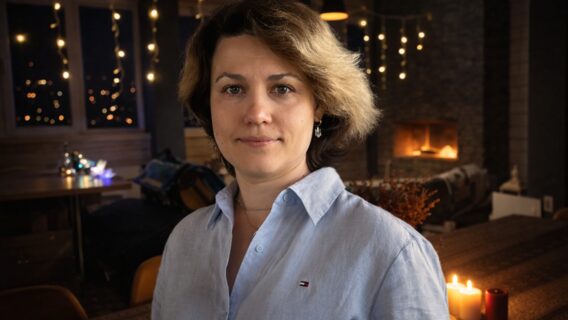
“My phone has contacts for ‘Aunt Nina Meat’ and ‘Aunt Luda Ogirky’.” Aitivitsa Ciklum from Kharkiv has been forced to live in the village for four years and admits that she considered such a scenario for herself 25 years later.
“My phone has contacts for ‘Aunt Nina Meat’ and ‘Aunt Luda Ogirky’.” Aitivitsa Ciklum from Kharkiv has been forced to live in the village for four years and admits that she considered such a scenario for herself 25 years later.
On February 24, 2022, for many Ukrainians, moving was no longer an option. It became a matter of safety. 42-year-old Olga Artemasova, Global Head of Business Analysis Center of Excellence at Ciklum, told dev.ua how a temporary solution «for a week» turned into almost four years of living in the village — with a generator, an inverter, «Aunt Nina Mʼyaso» in contacts and a dream of returning to her native Kharkiv. What follows is her direct speech.
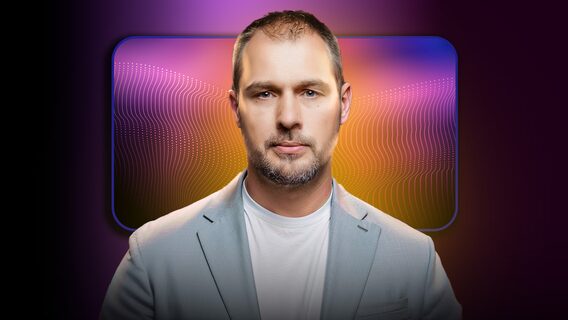
"Software can be a digital weapon." Interview with the CEO of Sigma Software Group on the partnership with BAE Systems and the future "unicorns" of Ukrainian DefTech.
"Software can be a digital weapon." Interview with the CEO of Sigma Software Group on the partnership with BAE Systems and the future "unicorns" of Ukrainian DefTech.
Valery Krasovsky, CEO of Sigma Software Group, speaks with dev.ua to analyze the company’s cooperation with British giant BAE Systems, explain the importance of European digital sovereignty, and name the promising Ukrainian projects changing the rules of the game on the battlefield.

«In Kharkiv, I was a “person of concrete,” an agnostic intellectual with no attachment to traditions.» Changing the rhythm of a million-strong city to life in a small settlement in Bukovyna — and feeling completely happy — is possible. Here is the story of an IT specialist from EPAM who proves it.
«In Kharkiv, I was a “person of concrete,” an agnostic intellectual with no attachment to traditions.» Changing the rhythm of a million-strong city to life in a small settlement in Bukovyna — and feeling completely happy — is possible. Here is the story of an IT specialist from EPAM who proves it.
On February 23, 2022 Senior Engineering Manager at EPAM, Kateryna Sushkova, did not believe that the next morning her life would change dramatically. She fell asleep in her apartment in central Kharkiv with her husband and son, planning a team meeting for the following day. At 5 a.m. on February 24, the family saw flashes of fighting on the outskirts of the city from their window. That same day, they headed west. Within a few months, the village of Berehomet in the Chernivtsi region became their new home.
Kateryna told dev.ua about life in a small town, adapting after a forced relocation, and the transformations brought by war and a new reality. Below is her first-person account.

Are relationships at work prohibited in Ukrainian IT? Spoiler - no, but there are nuances. Here are three stories of lovers who work together in the same company
Are relationships at work prohibited in Ukrainian IT? Spoiler - no, but there are nuances. Here are three stories of lovers who work together in the same company
Relationships between colleagues can end in a wedding — or a scandal and dismissal. For business, it’s not a question of romance, but of risks: conflict of interest, influence on decisions, accusations of favoritism or harassment.
dev.ua asked how Ukrainian IT companies regulate office romances and whether there are direct prohibitions.
A 13-year-old IT student who became the youngest certified Oracle specialist talked about his IT project
A 13-year-old IT student who became the youngest certified Oracle specialist talked about his IT project
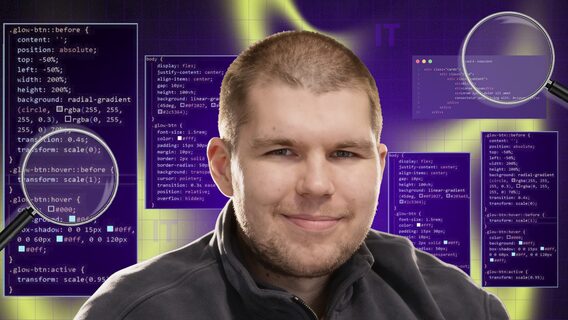
“We don’t work with people with disabilities.” The story of a developer with SMA who forges his way into IT despite rejection, bureaucracy, and an ininclusive job market
“We don’t work with people with disabilities.” The story of a developer with SMA who forges his way into IT despite rejection, bureaucracy, and an ininclusive job market
Bohdan Shvets is a front-end and Unity developer with a terrible disease. He can write code, pass tests, and spend years honing his skills, but he can't physically come to the office because he's received hundreds of rejections from employers. We talked to Bohdan about remote work, which only exists in words, the fear of business in front of disabilities, and a system that leaves a person alone with his future.

"Astrology is a provocative topic. Everyone thinks you're a fortune teller." How a Ukrainian woman left IT and opened her own astrology school, which brings her an income of up to $7,000
"Astrology is a provocative topic. Everyone thinks you're a fortune teller." How a Ukrainian woman left IT and opened her own astrology school, which brings her an income of up to $7,000
After seven years in IT and a leadership role, Victoria Sinkevich resigned without a clear plan — due to illness and professional burnout. Today, she lives in Spain, develops her own astrology school, and earns more than in the technology industry. We spoke with Victoria about her journey from business assistant to astropsychologist.
1 comment

"We thought it would never happen to the same place twice." A developer from Odesa told how he lost his home after two attacks by "shaheeds"
"We thought it would never happen to the same place twice." A developer from Odesa told how he lost his home after two attacks by "shaheeds"
In the world of programming, the term “stress tolerance” is often just a cliché on a resume. However, for Oleksandr Viter, Senior Python Developer, this concept has acquired a completely new, physical meaning. Twice in two weeks, Russian “shaheeds” hit Oleksandr’s apartment in Odessa and almost completely destroyed his home. We talked to the IT guy about how to act in such a situation, who to contact and who came to the rescue first.

"We're discussing the idea of building an IT village in the office": Ukrainian IT professionals in Threads fantasize about an IT community outside the city
"We're discussing the idea of building an IT village in the office": Ukrainian IT professionals in Threads fantasize about an IT community outside the city
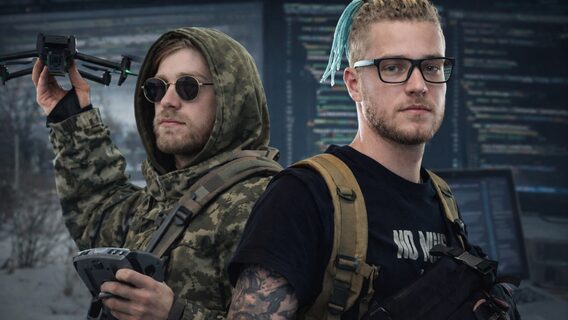
“I’d heard about ‘meat storms,’ but I didn’t really believe it until I saw them with my own eyes.” The honest story of an AIT veteran who, despite a serious injury, managed to get a job in IT
“I’d heard about ‘meat storms,’ but I didn’t really believe it until I saw them with my own eyes.” The honest story of an AIT veteran who, despite a serious injury, managed to get a job in IT
Semen Nenashev is 27 years old. Talking about himself, he mentions several statuses: father, veteran of the Russian-Ukrainian war, a person with a disability due to a combat injury, and a QA engineer. His biography includes an IT career, service in a strike UAV unit, a serious injury, and a return to civilian life with a disability. He does not romanticize the war and does not embellish his path. The veteran from Aiti shared with dev.ua his story not about «successful success,» but about a choice that haunts him.
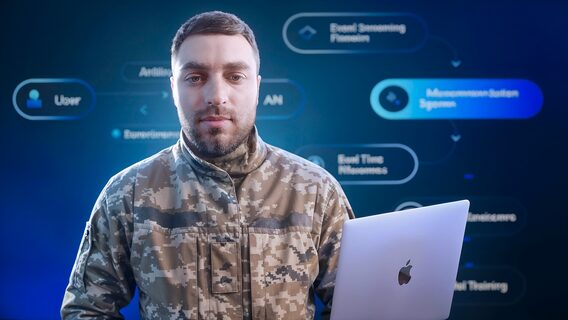
“I’m a programmer and I don’t want to just stand around in uniforms.” The story of an IT guy who created an automation system for the army
“I’m a programmer and I don’t want to just stand around in uniforms.” The story of an IT guy who created an automation system for the army
Yuriy Chlek went from chief engineer of a gas company to Magento developer, and with the start of a full-scale war he became an officer of the Armed Forces of Ukraine. In the service, he not only fought, but also created an internal data collection system that replaced paper reporting. After demobilization, Yuriy returned to the tough IT market and is now looking for his place in civilian life again. dev.ua talked to Yuriy about his dizzying path to IT through the war.

Left IT and ended up at Netflix. The story of a former tester who found herself in less than a year after burning out in IT
Left IT and ended up at Netflix. The story of a former tester who found herself in less than a year after burning out in IT
Ten years in testing, a successful career from Junior QA to Project Lead, and a stable income. This is what Victoria Golovchenko's professional path looked like until 2025. However, today her life has changed dramatically: instead of finding bugs in mobile games, she teaches Spanish, stars in series for Netflix, and conquers the catwalks as a model. dev.ua talked to Victoria about the dizzying year that radically changed her professional life.
1 comment
13-year-old Ukrainian becomes youngest Oracle certified specialist in Europe
13-year-old Ukrainian becomes youngest Oracle certified specialist in Europe
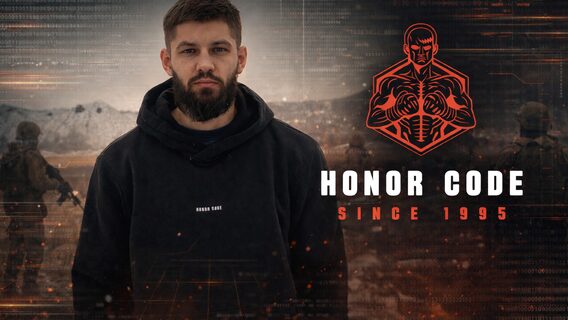
"Honor code": How an iOS developer from Sumy became a fighter of the SSO and created his own clothing brand during the war
"Honor code": How an iOS developer from Sumy became a fighter of the SSO and created his own clothing brand during the war
The story of Bohdan Holovach, a military man and former iOS developer, is not about «an IT guy who joined the army.» It’s about a person who is constantly looking for a form in which he can be himself: in code, in war, and in his own product. He has been defending Ukraine for four years, and despite this, he dreams of living and developing among conscious Ukrainians and building a career in IT, which he left behind because of the war.
Now, while in the military, Bohdan has managed to create and develop his own brand of quality clothing for conscious Ukrainians. He is also very concerned about the fate of veterans returning from war.
Below is the story of a man who was not afraid to turn his life 18 degrees at least twice.

“I’m tired of putting out fires.” How a product manager deliberately left IT for her own business at CustDev
“I’m tired of putting out fires.” How a product manager deliberately left IT for her own business at CustDev
Valeria Kuryakova got into IT right after university, worked as a project and product manager, managed teams and made decisions based on data. But at some point she realized that the system did not allow her to develop the product, and her role was reduced to “fighting fires”. Valeria told dev.ua how she decided to leave the industry and build her own direction — analytics and in-depth consumer research.
Victory over the "dinosaurs", barter and new challenges
Victory over the "dinosaurs", barter and new challenges
When mainframes met personal computers: the wild 1991 that changed Ukrainian IT forever
When mainframes met personal computers: the wild 1991 that changed Ukrainian IT forever





